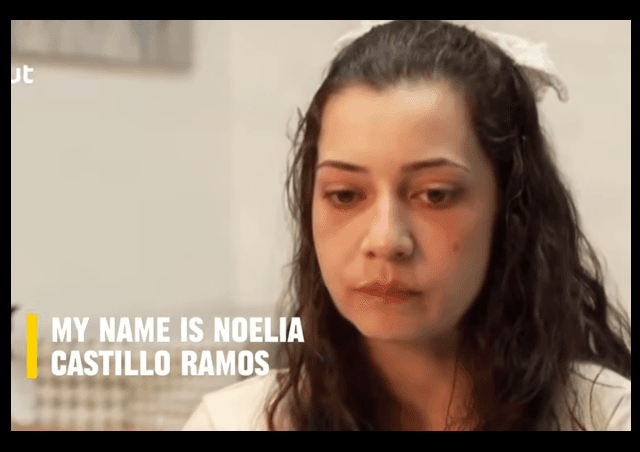
 Noelia Castillo Ramos, the 25-year-old woman who was euthanized in Spain
25-year-old woman euthanized in Spain over parents' objections
Left says
- •Noelia Castillo exercised her fundamental right to bodily autonomy and self-determination after enduring severe trauma including sexual assault and paralysis
- •Spain's legal framework properly protected her capacity to make this decision through multiple medical and judicial reviews over nearly two years
- •Her father's legal challenges, backed by conservative religious groups, inappropriately interfered with her personal medical decisions as a competent adult
- •The case demonstrates how euthanasia laws can provide compassionate relief for those suffering from unbearable physical and psychological conditions
Right says
- •A vulnerable young woman with mental health diagnoses was failed by a system that offered death instead of comprehensive treatment and support
- •The case reveals dangerous flaws in euthanasia laws that can pressure society's most vulnerable into choosing death over continued care
- •Parents have legitimate concerns about protecting their children from irreversible decisions made during periods of severe psychological distress
- •The expansion of euthanasia creates a slippery slope where death becomes a cost-effective solution for complex medical and social problems
Common Take
High Consensus- Noelia Castillo endured severe trauma including sexual assault and became paralyzed after a suicide attempt in 2022
- The case involved extensive legal proceedings lasting nearly two years with multiple court reviews
- Spain's euthanasia law requires individuals to be mentally capable and meet specific medical criteria
- The situation raises profound questions about how society should care for people experiencing severe suffering
The Arguments
Left argues
Noelia Castillo was a competent adult who underwent nearly two years of rigorous medical and judicial review, demonstrating that Spain's euthanasia framework includes robust safeguards to ensure informed consent and mental capacity.
Right counters
The extended legal battle itself suggests systemic concerns about her decision-making capacity, and mental health conditions like Borderline Personality Disorder can impair judgment about irreversible choices during periods of acute distress.
Right argues
Society has a duty to protect vulnerable individuals from making irreversible decisions during psychological crises, and expanding euthanasia creates dangerous precedents where death becomes a solution for treatable mental health conditions.
Left counters
Denying autonomous adults the right to make fundamental decisions about their own lives based on paternalistic assumptions about their capacity violates basic principles of self-determination and bodily autonomy.
Left argues
Multiple independent medical professionals and courts, including the European Court of Human Rights, confirmed Castillo's mental capacity and right to choose, while her father's objections were backed by religious advocacy groups imposing their values on her personal medical decisions.
Right counters
Parents have legitimate concerns about protecting their children from systems that may inadequately address complex trauma, and the involvement of advocacy groups doesn't invalidate genuine worries about vulnerable people being failed by inadequate mental health support.
Right argues
Euthanasia laws risk creating a cost-effective pathway for society to abandon its most vulnerable members rather than investing in comprehensive long-term care, therapy, and support systems that could address underlying trauma and mental health needs.
Left counters
Properly implemented euthanasia laws require extensive evaluation processes and don't replace other treatments—they provide a compassionate option for those who have exhausted other avenues and continue to experience unbearable suffering despite available interventions.
Left argues
Castillo endured severe trauma including sexual assault and paralysis, and after extensive evaluation, multiple medical and legal authorities determined she had the capacity to make this deeply personal decision about her own unbearable suffering.
Right counters
Young adults who have experienced severe trauma deserve comprehensive, long-term therapeutic intervention and support rather than a system that validates their despair with a permanent solution during what could be a treatable crisis period.
Challenge Questions
These questions target genuine internal contradictions — meant to provoke honest reflection.
Right asks Left
“If bodily autonomy and self-determination are truly paramount, why do euthanasia laws typically exclude minors and those with certain mental health conditions—doesn't this suggest that society already recognizes some limitations on autonomous decision-making when vulnerability is involved?”
Left asks Right
“If protecting vulnerable people justifies overriding their autonomous decisions, how do you distinguish between legitimate protection and paternalistic control that denies competent adults fundamental rights over their own lives and medical care?”
Outlier Report
Left Fringe
Radical autonomy advocates like some members of the Final Exit Network or extreme libertarian commentators who argue any competent adult should have unrestricted access to euthanasia regardless of age, mental health status, or family concerns. They represent roughly 10-15% of the left coalition on this issue.
Right Fringe
Hardline religious conservatives like leaders in Christian Lawyers (Abogados Cristianos) who oppose all forms of euthanasia under any circumstances, viewing it as inherently immoral regardless of suffering or medical consensus. They represent about 20-25% of the right coalition, with most conservatives focusing on procedural safeguards rather than absolute prohibition.
Noise Assessment
Moderate noise level - while religious and disability rights groups are genuinely engaged, much online discourse amplifies extreme positions that don't reflect the nuanced concerns most Americans have about balancing autonomy with protection of vulnerable populations.
Sources (5)
The administration of euthanasia for 25-year-old Noelia Castillo Ramos took place in Spain on March 26 — an event occurring after she faced immense life challenges since childhood and following nearly two years of a legal battle waged by her parents to preserve her life. According to Spanish law, to request euthanasia, an individual must be of legal age and be both mentally capable and fully conscious at the time of the request; they must also hold Spanish citizenship or have maintained legal residency for more than 12 months and "be suffering from a serious and incurable disease or a serious, chronic, and disabling condition, as certified by the attending physician." On March 24 it was reported that the European Court of Human Rights rejected the interim measures requested by Castillo's family to halt her euthanasia, bringing an end to a legal battle spanning nearly two years...
Warning: This story contains references to sexual assault and suicide A Spanish woman who has conducted a long legal battle with her father for the right to end her life died by euthanasia on Thursday. Barcelona resident Noelia Castillo, 25, was left paraplegic due to injuries suffered when she tried to take her own life in 2022. The Catalan government granted her the right to assisted dying in the summer of 2024 but the process was suspended at the last moment after legal objections raised by her father, with the backing of the conservative campaign group Christian Lawyers (Abogados Cristianos)...
Noelia Castillo, a Spanish woman who sought euthanasia and fought a protracted legal battle with her family over her right to do so, received life-ending medicine on Thursday in Barcelona. She was 25. EDITOR'S NOTE — This story includes discussion of suicide. If you or someone you know needs help, international helplines can be found at www.iasp.info/suicidalthoughts. For nearly two years, Castillo pursued her right to die after her father put up a lengthy legal battle when a medical body in Catalonia approved her request for euthanasia in 2024...
<p>What we are watching in Canada, Spain, and beyond is the quiet construction of a cost‑effective exit ramp for society’s most vulnerable, wrapped in euphemisms that let policymakers and hospital administrators sleep at night.</p> The post <a href="https://legalinsurrection.com/2026/03/spains-euthanasia-compassion-exposes-a-dark-new-frontier-in-death-as-healthcare/">Spain’s Euthanasia ‘Compassion’ Exposes a Dark New Frontier in Death-as-Healthcare</a> first appeared on <a href="https://legalinsurrection.com">Le·gal In·sur·rec·tion</a>.
<p>"Two earlier No Kings protests brought out huge crowds, and organizers hope this event will be among the largest days of protest in U.S. history."</p> The post <a href="https://legalinsurrection.com/2026/03/the-left-has-planned-another-no-kings-protest-this-weekend-for-some-reason/">The Left has Planned Another ‘No Kings’ Protest This Weekend for Some Reason</a> first appeared on <a href="https://legalinsurrection.com">Le·gal In·sur·rec·tion</a>.