Biden's Spirit-JetBlue Merger Block Blamed for Airline Collapse
Left says
- •The airline industry faced unprecedented challenges from surging jet fuel prices caused by the Iran war, which doubled fuel costs and pushed multiple carriers to the brink
- •Spirit's collapse stemmed from poor management decisions including insufficient fuel hedging, overleveraging, and operational issues with grounded Pratt & Whitney engines
- •The merger block preserved competition in the airline industry and prevented further consolidation that could have harmed consumers through higher prices
- •A Reagan-appointed federal judge ruled the JetBlue-Spirit merger was illegal under antitrust law, validating concerns about market concentration
Right says
- •The Biden administration's antitrust enforcement blocked a legitimate business solution that could have saved Spirit Airlines and 17,000 jobs
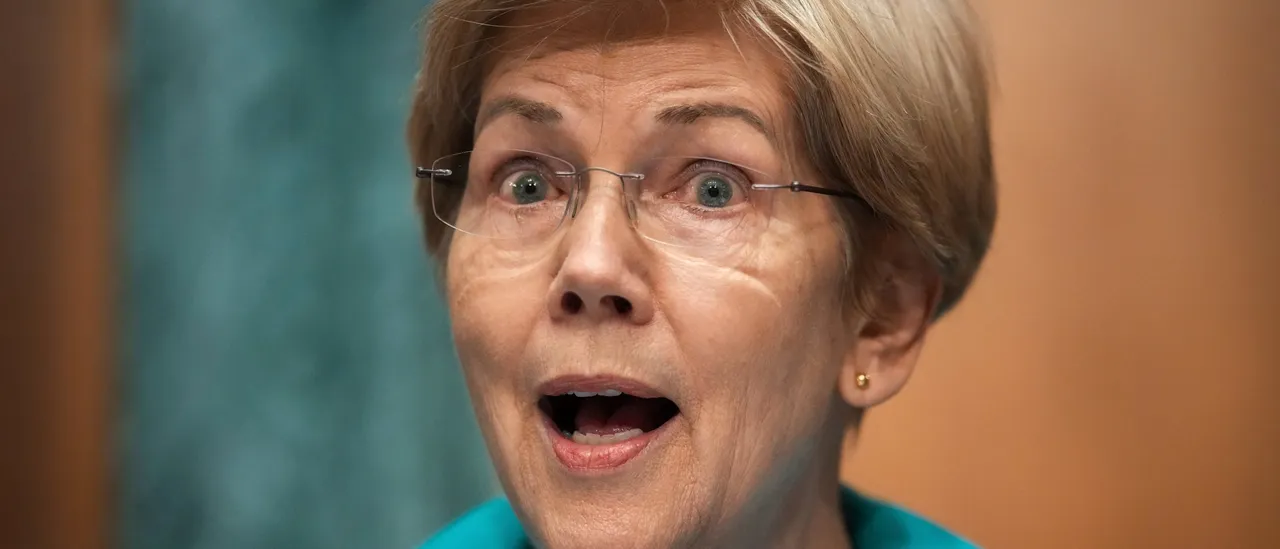
- •Elizabeth Warren and other Democrats who championed blocking the merger now refuse to take responsibility for the devastating consequences to workers and passengers
- •The merger would have provided Spirit with the financial resilience needed to weather external shocks like fuel price spikes
- •Government interference in free market decisions led directly to reduced competition, stranded passengers, and lost airline service to regional airports
Common Take
High Consensus- Spirit Airlines' collapse left 17,000 employees without jobs and thousands of passengers stranded with canceled flights
- Jet fuel prices have roughly doubled due to the Iran conflict, creating severe financial pressure on budget airlines
- Spirit had filed for bankruptcy twice and faced significant operational challenges including grounded aircraft due to engine issues
- The airline industry requires stability and adequate financing to maintain service to communities across the country
The Arguments
Right argues
The Biden administration's antitrust enforcement blocked a legitimate business solution that could have provided Spirit with the financial resilience needed to weather external shocks like fuel price spikes, directly leading to 17,000 lost jobs and stranded passengers.
Left counters
A Reagan-appointed federal judge ruled the merger illegal under antitrust law, and preserving competition was the correct long-term approach even if it couldn't save a poorly managed airline that had already filed for bankruptcy twice.
Left argues
Spirit's collapse stemmed from fundamental management failures including insufficient fuel hedging, overleveraging, and operational issues with grounded Pratt & Whitney engines, not from the merger block which preserved crucial market competition.
Right counters
These management issues could have been addressed within a merged entity that had JetBlue's financial resources and operational expertise, making the government's interference the decisive factor that prevented a viable solution.
Left argues
The merger block prevented further airline industry consolidation that would have harmed consumers through higher prices and reduced competition, as evidenced by the DOJ's successful antitrust case.
Right counters
The result of blocking the merger was actually less competition, not more, since Spirit is now completely gone from the market, leaving consumers with fewer low-cost options and reduced service to regional airports.
Right argues
Democrats like Elizabeth Warren who championed blocking the merger now refuse to take responsibility for the devastating consequences, instead deflecting blame to external factors like fuel prices that a stronger merged airline could have better weathered.
Left counters
The unprecedented fuel price surge from the Iran war was the primary external shock that pushed multiple carriers to the brink, and it's impossible to know whether a debt-laden merged entity would have survived these same pressures.
Left argues
Spirit had the option to pursue a merger with smaller competitor Frontier, which the Biden DOJ likely would have approved, but chose to abandon that deal to chase the problematic JetBlue merger instead.
Right counters
Spirit pursued the JetBlue merger because it offered the best chance of survival with a financially stronger partner, and the government should not have interfered with this legitimate business decision between willing parties.
Challenge Questions
These questions target genuine internal contradictions — meant to provoke honest reflection.
Right asks Left
“If the merger block was truly about preserving competition, how do you reconcile that goal with the actual outcome of having one fewer competitor in the market and reduced service to consumers?”
Left asks Right
“If the JetBlue-Spirit merger was such an obvious solution, why did Spirit file for bankruptcy twice even while pursuing the deal, and how can you be certain the merged entity wouldn't have failed under the same fuel price pressures?”
Outlier Report
Left Fringe
Elizabeth Warren and progressive antitrust advocates like Lina Khan represent about 25% of the left with their aggressive anti-merger stance. Most Democrats would likely accept some blame for the outcome while still defending competition principles.
Right Fringe
Treasury Secretary Scott Bessent and some Trump officials who completely blame Biden while ignoring Spirit's management failures and fuel price impacts represent about 30% of the right. Most conservatives would acknowledge multiple contributing factors.
Noise Assessment
Moderate noise level - political figures are using this for partisan advantage, but the core debate reflects genuine disagreement about government's role in business mergers versus market outcomes.
Sources (6)
<p>Spirit Airlines <a href="https://www.axios.com/2026/05/02/spirit-airlines-shutdown" target="_blank">is dead</a>, but the finger-pointing is very much alive.</p><ul><li>Trump administration officials spent the weekend blaming former President Biden, whose Justice Department successfully <a href="https://www.axios.com/2024/01/16/judge-blocks-jetblue-spirit-airlines-merger-doj" target="_blank">blocked</a> JetBlue from buying Spirit for $3.8 billion.</li><li>Spirit told the White House to look in the mirror, saying its insolvency was sparked by an Iran war that's caused jet fuel prices to spike.</li></ul><p><strong>Why it matters: </strong>Around 17,000 people just lost their jobs, and thousands of passengers found themselves stranded.</p><hr /><ul><li>It's also hard to guard against a future airline failure without a consensus diagnosis for the current one.</li></ul><p><strong>Zoom in:</strong> Trump and Spirit both have legitimate arguments. It's just that they aren't mutually exclusive.</p><ul><li>Yes, DOJ's antitrust arguments now ring very hollow. It's hard to claim that keeping JetBlue and Spirit apart has preserved low-cost competition when Spirit planes are now parked like yellow school buses at midnight. </li><li>It's also true that <a href="https://www.axios.com/2026/04/18/spirit-airlines-united-american-delta-jet-fuel" target="_blank">jet fuel prices were the straw</a> that broke Spirit's back. Just last week, we wrote about how several European airlines <a href="https://www.axios.com/2026/04/29/jet-fuel-airline-dealmaking" target="_blank">may be at risk</a> for the same reason.</li></ul><p><strong>Yes, but: </strong>Even if you merge both narratives, there were other contributing factors.</p><ul><li>First, Spirit didn't sufficiently hedge its jet fuel costs. That speaks to poor management, or maybe to being overleveraged. After all, this was Spirit's second bankruptcy in less than a year — and it had been criticized during the JetBlue process for making decisions as if the merger was a fait accompli.</li><li>Second, ongoing issues with Pratt & Whitney engines had caused Spirit to ground a bunch of its planes — creating significant losses, despite having reached a settlement.</li><li>Third, Spirit bailed on a merger agreement with Frontier in order to pursue the JetBlue tie-up. It's possible that Biden's DOJ would have let Spirit merge with Frontier, which was significantly smaller than was JetBlue (which already had <a href="https://www.axios.com/2021/09/21/doj-american-airlines-jetblue-antitrust" target="_blank">run into antitrust troubles</a> on its planned partnership with American Airlines).</li></ul><p><strong>The bottom line: </strong>It's impossible to know if a JetBlue-Spirit merger would have saved Spirit in the long term, or saddled the combined carrier with so much debt that it too would be liquidating as jet fuel prices climb.</p>
Warren has been loath to take any responsibility
Treasury Secretary Scott Bessent on Sunday blamed the Biden Administration’s rejection of the Spirit-Jet Blue merger for the company’s collapse. Over the weekend, Spirit Airlines customers woke up to a blunt message inside the airline’s app: every scheduled flight is canceled, effective immediately. Shutting down operations has disrupted travel for thousands. The low-cost airline had ...
WASHINGTON, May 2 (Reuters) – Transportation Secretary Sean Duffy said on Saturday he does not think the government needs to bail out low-cost airlines that have sought $2.5 billion in government relief because of high jet fuel prices, following the collapse of Spirit Airlines. “At this point, I don’t think it’s necessary. They do have ...
<p>Senator Warren, one of the masterminds of blocking the merger, was out this week, blaming "spiking fuel prices from Trump's war" as the nail in the coffin. </p> The post <a href="https://legalinsurrection.com/2026/05/spirit-collapse-follows-liberal-block-of-jetblue-deal/">Spirit Collapse Follows Liberal Block of JetBlue Deal</a> first appeared on <a href="https://legalinsurrection.com">Le·gal In·sur·rec·tion</a>.
<p>Republicans blame Biden administration block on JetBlue deal; Democrats point to fuel price surge amid Iran war</p><ul><li><p><a href="https://www.theguardian.com/news/2026/feb/17/sign-up-for-the-breaking-news-us-email-to-get-newsletter-alerts-direct-to-your-inbox?utm_medium=ACQUISITIONS_STANDFIRST&utm_campaign=BN22326&utm_content=signup&utm_term=standfirst&utm_source=GUARDIAN_WEB">Sign up for the Breaking News US newsletter email</a><em> </em></p></li></ul><p>US airlines and government officials battled on Saturday to deal with stranded passengers and stricken employees after discount carrier Spirit Airlines abruptly <a href="https://www.theguardian.com/business/2026/may/01/spirit-airlines-stops-operation-after-failed-deal">ceased operations</a> – and a political and business blame game got under way over the collapse of the low-cost carrier.</p><p>“If you have a flight scheduled with Spirit Airlines, don’t show up at the airport; there will be no one here to assist you,” the US secretary of transportation, Sean Duffy, warned at a press conference after laying out measures for customers booked with the Florida-based company to obtain refunds or find discounted flights on other airlines.</p> <a href="https://www.theguardian.com/business/2026/may/02/spirit-airlines-ceases-operations-blame">Continue reading...</a>