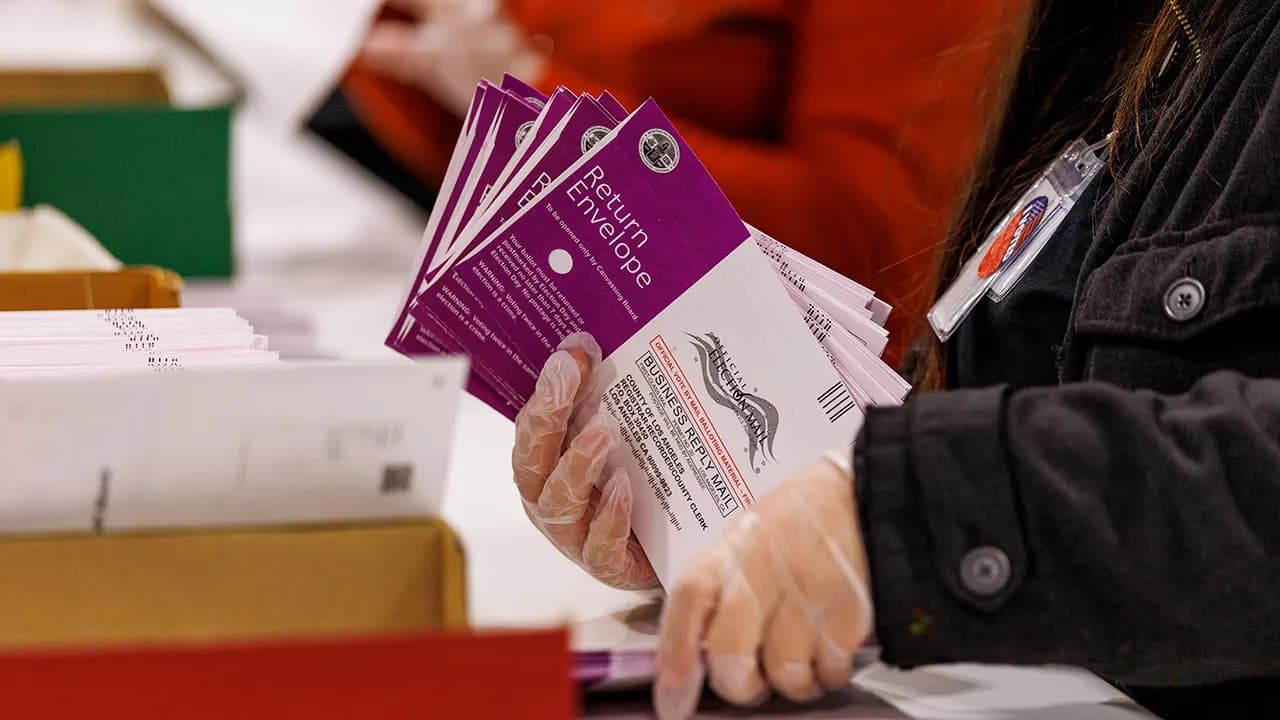
California's Slow Vote Counting Fuels Election Fraud Claims
Left says
- •California's extended counting process reflects comprehensive election security measures that ensure every eligible vote is properly verified and counted
- •The state's mail-in voting system increases accessibility for working families, elderly voters, and those with disabilities who might otherwise face barriers to voting
- •Trump's fraud allegations without evidence continue a dangerous pattern of undermining public trust in legitimate democratic processes
- •Extended counting timelines are normal in many states and do not indicate irregularities or manipulation
Right says
- •California's month-long counting process creates unnecessary delays that fuel suspicion and undermine confidence in election integrity
- •The state's mail-in ballot system with seven-day receipt windows and extended cure periods creates multiple opportunities for fraud and manipulation
- •Federal investigations into potential election law violations demonstrate legitimate concerns about California's voting procedures
- •Other states and countries count votes much faster while maintaining accuracy, proving California's delays are avoidable
Common Take
High Consensus- California's vote counting process takes significantly longer than most other states
- The state uses mass mail-in voting with extended deadlines for ballot receipt and signature verification
- Federal authorities are conducting investigations related to California's election processes
- Public confidence in election integrity is important for democratic legitimacy
The Arguments
Right argues
California's month-long counting process is an outlier that creates unnecessary suspicion when other states and countries count votes much faster while maintaining accuracy. The state's extended timeline with seven-day ballot receipt windows and 22-day cure periods creates multiple opportunities for manipulation that undermine public confidence in election integrity.
Left counters
Extended counting reflects comprehensive security measures that ensure every eligible vote is properly verified, not evidence of fraud. California's thorough process prioritizes accuracy over speed, and the transparency of the counting process allows for public oversight that actually strengthens election integrity.
Left argues
California's mail-in voting system increases democratic participation by removing barriers for working families, elderly voters, and those with disabilities who might otherwise struggle to vote in person. The extended verification process ensures that legitimate votes from all eligible citizens are counted, strengthening rather than weakening democracy.
Right counters
While accessibility is important, the current system creates so many opportunities for error and manipulation that it undermines the very democratic participation it claims to protect. Federal investigations into potential election law violations demonstrate that these concerns about California's procedures are legitimate, not baseless.
Left argues
Trump's fraud allegations without evidence continue a dangerous pattern of undermining public trust in legitimate democratic processes. The slow counting is normal procedure in many states and reflects careful verification, not irregularities or rigging.
Right counters
The issue isn't just Trump's claims but the structural problems with California's system that fuel legitimate suspicion. When election law experts identify four specific procedural issues causing delays, and federal prosecutors announce multiple fraud investigations, these concerns transcend partisan politics.
Right argues
Election law expert Hans von Spakovsky identifies four specific structural problems: mass mail voting, seven-day post-election ballot receipt, 22-day cure periods, and high volumes of provisional ballots requiring individual investigation. These create a system where ballots can move through verification for weeks, providing multiple points where irregularities could occur.
Left counters
These aren't problems but features designed to ensure accuracy and voter access. The cure period allows voters to fix minor signature issues rather than having their legitimate votes discarded, and the extended timeline ensures thorough verification rather than rushed counting that could miss errors.
Challenge Questions
These questions target genuine internal contradictions — meant to provoke honest reflection.
Right asks Left
“If California's extended counting process is truly about security and accuracy, why do other large states with similar populations and mail-in voting manage to count votes much faster while maintaining comparable accuracy rates? What specific security benefits justify the month-long timeline that couldn't be achieved with more efficient procedures?”
Left asks Right
“If the primary concern is election integrity and public confidence, how do you reconcile supporting federal investigations into California's election procedures while simultaneously dismissing all concerns about the state's counting timeline as baseless? Don't legitimate integrity concerns deserve investigation regardless of who raises them?”
Outlier Report
Left Fringe
Progressive activists like Marc Elias and some Democratic election lawyers who argue any criticism of extended counting processes is inherently voter suppression represent about 15% of the left coalition.
Right Fringe
Donald Trump and election conspiracy theorists like Mike Lindell who claim California's delays are definitive proof of systematic fraud represent about 25% of the right coalition.
Noise Assessment
Moderate noise level - while Trump's specific fraud claims are amplified beyond public belief, genuine concerns about counting delays reflect broader public sentiment about election administration efficiency.
Sources (8)
While primary day in California is now over, it could take days or weeks for final vote counts to be determined and some projections to be made.
Election results are still trickling in for primary races across California, including in Los Angeles, where incumbent Mayor Karen Bass is up against reality-star-turned challenger Spencer Pratt to lead the city.
Election law expert Hans von Spakovsky says California's slow vote counting stems from mass mail voting, a seven-day ballot window, and cure periods.
U.S. Attorney Bill Essayli didn't comment on any specific investigation, but he said he'd "follow the evidence wherever it leads and prosecute any violations of federal election law to the fullest extent."
Now we know why so many leading California Democratic elected officials - notably Governor Gavin Newsom and Attorney General Rob Bonta - made such a big deal out of the need for Golden State voters to fill out and send in their mail ballots as early as possible this year.
The slow counting of the state’s votes could be expedited with some simple reforms.