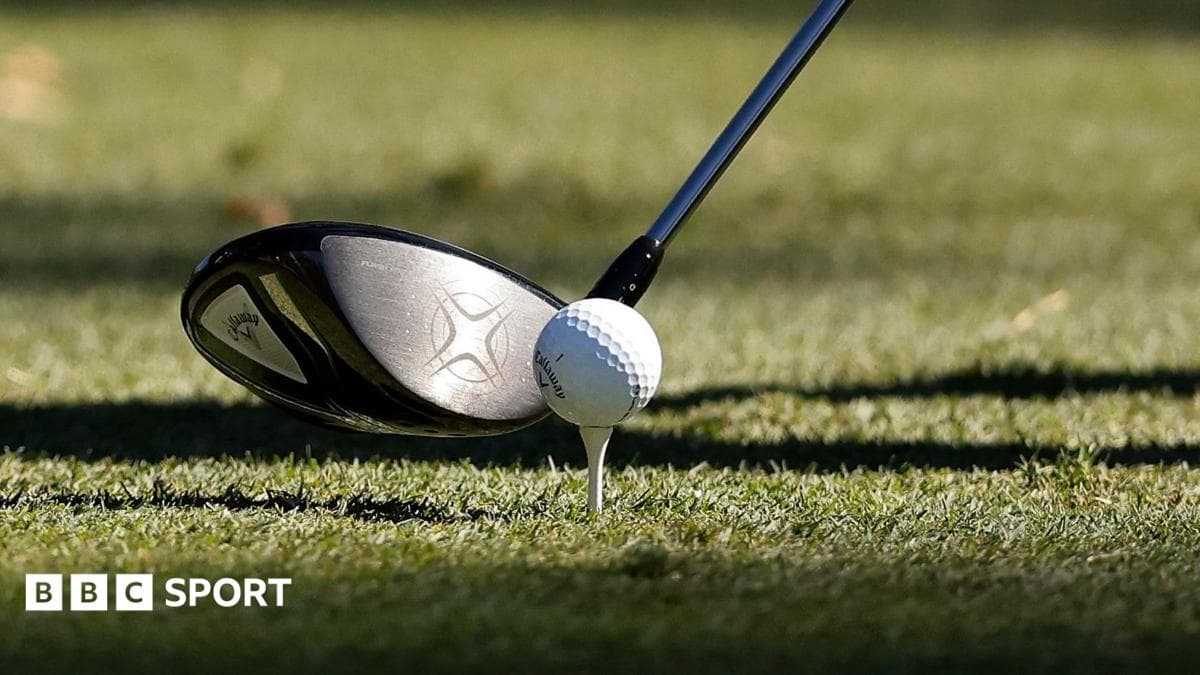
Callaway Dumps Good Good After Ad Depicts Man Shoving Woman
Left says
- •The ad's depiction of a man violently shoving a woman to the ground reflects a broader cultural pattern of normalizing violence against women for entertainment, and the swift backlash shows growing public intolerance for that framing.
- •Callaway's $1 million donation is a meaningful gesture, but critics note the company should not be allowed to frame clear corporate negligence as an innocent 'mistake' when its own statement confirms the ad was reviewed and approved before release.
- •Women's growing presence and spending power in golf, including a 45% rise in participation, make it especially important for brands to take their concerns seriously rather than treat this as a minor PR misstep.
- •Survivors of domestic violence who shared their experiences publicly helped drive accountability, underscoring how personal testimony can shift corporate behavior.
Right says
- •Good Good Golf's CEO argues Callaway approved the ad before it aired and is now unfairly shifting blame onto the smaller content company while using a $1 million donation to manage public perception.
- •The dispute raises concerns about corporate overreach and cancel culture, where a single controversial ad—intended as satire referencing a horror film scene—led to swift, severe consequences including canceled retail partnerships.
- •Good Good's threat of legal action highlights worries that large corporate partners can dump smaller collaborators to protect their own image without taking proportional responsibility for joint decisions.
- •Some see the episode as an example of an ad being pulled and companies over-apologizing in response to online outrage rather than allowing for context, satire, or nuance in creative content.
Common Take
High Consensus- Both companies agree the ad was in poor taste and issued public apologies for its content.
- The ad depicted Garrett Clark shoving Alexis Miestowski to the ground while claiming his driver, sparking accusations of trivializing violence against women.
- Callaway confirmed its internal review process failed and pledged $1 million to organizations addressing violence against women.
- The fallout has real business consequences, with retailers pulling Good Good products and public trust in both brands damaged.
The Arguments
Left argues
The ad's depiction of a man violently shoving a woman to the ground reflects a broader pattern of normalizing violence against women for entertainment, and the swift public backlash shows growing intolerance for that framing, especially as women's participation in golf grows.
Right counters
The scene was an intentional homage to a well-known horror film moment, not an endorsement of domestic violence, and treating all depictions of physical conflict between a man and a woman as equivalent to real-world abuse leaves no room for satire or context.
Right argues
Good Good's CEO argues Callaway approved the ad before release and is now unfairly offloading blame onto the smaller partner while using a $1 million donation to manage its own public image.
Left counters
Callaway's own statement acknowledges its review process failed and it bears responsibility as the larger corporate partner, but shared blame for approving the ad doesn't erase Good Good's role in conceiving and producing the content in the first place.
Left argues
Critics rightly note that Callaway should not be allowed to frame this as an innocent 'mistake' when its own statement confirms the ad was reviewed and formally approved before it ever aired.
Right counters
Acknowledging a flawed approval process is not the same as admitting malicious intent, and Callaway's rapid apology, corrective actions, and financial commitment show genuine accountability rather than evasion.
Right argues
This episode exemplifies concerns about corporate overreach and cancel culture, where a single ad—rooted in horror-film satire—triggered swift, disproportionate consequences including canceled retail deals and a severed partnership.
Left counters
The response wasn't disproportionate outrage but a direct reaction from real survivors of domestic violence sharing how the ad trivialized their experiences, and companies have a responsibility to listen to that feedback rather than dismiss it as 'cancel culture.'
Right argues
Good Good's threat of legal action highlights legitimate concerns that large corporate partners can dump smaller collaborators to protect their own image without accepting proportional responsibility for a jointly approved decision.
Left counters
Regardless of who approved what, Callaway's donation and public apology represent a substantive response to real harm, while Good Good's late-night social media attacks suggest deflection rather than genuine accountability for content it created.
Challenge Questions
These questions target genuine internal contradictions — meant to provoke honest reflection.
Right asks Left
“If public backlash and personal testimony are sufficient to force a company to sever a partnership and donate $1 million within days, how should companies distinguish between legitimate accountability and reactive decisions driven by online outrage rather than deliberative judgment?”
Left asks Right
“If Good Good's defense is that the ad was 'just satire' referencing a horror film, why did the company itself apologize and admit it was a mistake rather than standing behind the creative choice as legitimate commentary?”
Outlier Report
Left Fringe
Activists and commentators who called for permanent boycotts of Callaway itself despite its apology and donation (e.g., some domestic violence advocacy accounts on social media), representing roughly 10-15% of the left, arguing the $1M donation is insufficient 'PR cover.'
Right Fringe
Commentators like those at outlets amplifying Matt Kendrick's tweets uncritically or figures suggesting the entire backlash was manufactured 'cancel culture' with no legitimate concern about the ad's content, representing roughly 15-20% of the right, dismissing the domestic violence angle entirely as overblown.
Noise Assessment
High noise ratio: much of the intense back-and-forth (Kendrick's 3am tweets, lawsuit threats, boycott calls) is driven by a small number of highly engaged voices and industry insiders, while the broader public likely has a mild, brief reaction of distaste toward the ad without deep investment in the corporate blame game.
Sources (6)
Golf club manufacturer Callaway ends its partnership with content creator Good Good with immediate effect and donates $1m to women's charity after promoting advert that shows a woman being pushed over.
Diego Simeone says he will do everything he can to make Julian Alvarez feel important at Atletico Madrid, after confirming the Argentina international will miss Saturday’s match against Sevilla.
<p>Golf equipment giant Callaway has cut ties with Good Good Golf after both companies were beset with a backlash over a viral ad.</p> <p>The post <a href="https://www.breitbart.com/sports/2026/08/27/callaway-cuts-ties-with-good-good-golf-after-video-ad-backlash/" rel="nofollow">Callaway Cuts Ties with Good Good Golf After Video Ad Backlash</a> appeared first on <a href="https://www.breitbart.com" rel="nofollow">Breitbart</a>.</p>
The ad for a new driver had sparked an online backlash, with viewers criticizing the spot for trivializing violence against women.
Good Good Golf wants to get into the rough with Callaway after a highly publicized breakup.
<ul><li><p>Golf giant ends partnership with YouTube group</p></li><li><p>Retailers have pulled Good Good products from shelves</p></li><li><p>Garrett Clark says controversial skit was in ‘poor taste’</p></li></ul><p>Callaway has ended its relationship with Good Good Golf amid mounting fallout from an advert that many believe made light of violence against women.</p><p>The golf equipment manufacturer announced the decision on Thursday, cutting ties with one of the world’s most popular YouTube sports channels effective immediately. Callaway also said it would donate $1m to organizations working to prevent violence against women and support survivors of domestic violence.</p> <a href="https://www.theguardian.com/sport/2026/aug/27/good-good-golf-garrett-clark-apology-callaway-ad-backlash">Continue reading...</a>