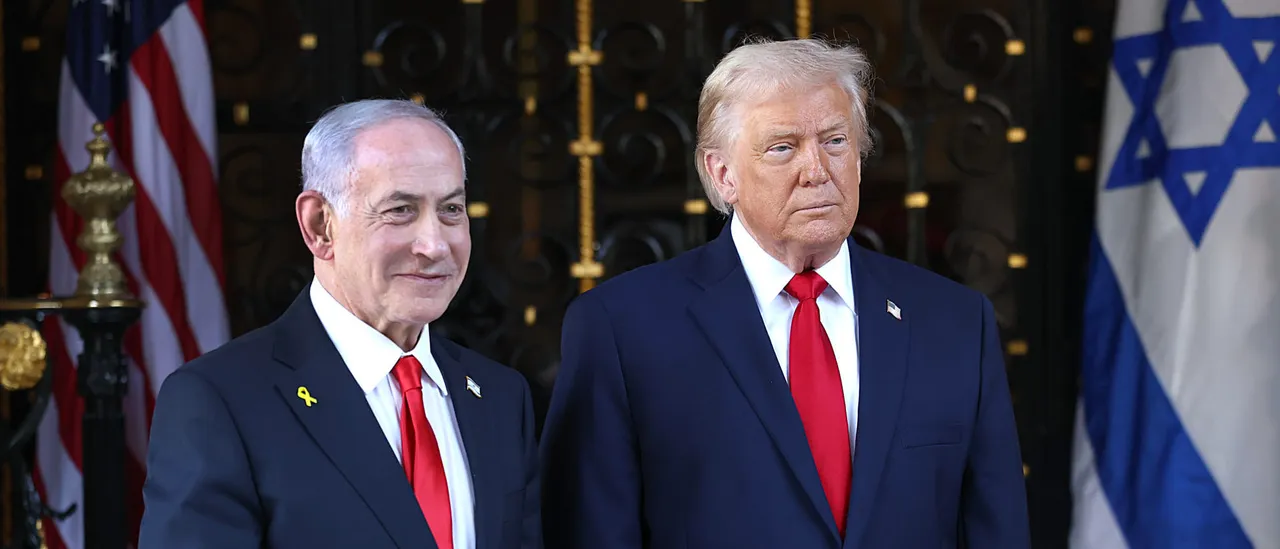
Congress quietly moves to formally integrate US and Israeli militaries
Intra-Party Split Detected
Some conservatives questioning GOP Congress pushing deeper military integration with Israel despite declining public support
Left says
- •This unprecedented military integration occurs while American public trust in the Israeli government reaches historic lows, with 60% holding unfavorable views
- •The provision would entangle U.S. military operations with Israel's more deeply than the $200 billion in aid provided since 1948
- •Congress is advancing this sweeping change without adequate public debate or transparency about its implications for American foreign policy independence
Right says
- •The initiative strengthens cooperation with a key democratic ally in a strategically vital region facing shared threats from Iran and terrorist organizations
- •Military integration in emerging technologies like AI, cyber defense, and biotechnology enhances American security capabilities and technological advancement
- •Formal defense cooperation builds on decades of successful partnership and ensures coordinated responses to regional security challenges
Common Take
High Consensus- Section 224 of the 2027 NDAA would significantly deepen U.S.-Israel military cooperation beyond current levels
- The provision covers cooperation in emerging technologies including AI, cyber defense, and biotechnology
- Public opinion polling shows declining American support for Israel, particularly among younger demographics
- The measure was included in the House Armed Services Committee version without extensive public discussion
The Arguments
Right argues
Military integration with Israel enhances American security capabilities through cooperation on cutting-edge technologies like AI, cyber defense, and biotechnology, while strengthening coordination against shared threats from Iran and terrorist organizations in a strategically vital region.
Left counters
This integration occurs precisely when American public trust in Israeli leadership has reached historic lows, with 60% holding unfavorable views, suggesting Congress is advancing military entanglement against the clear will of the American people.
Left argues
Congress is quietly advancing this sweeping military integration without adequate public debate or transparency, potentially compromising American foreign policy independence by entangling U.S. operations with Israel's more deeply than $200 billion in previous aid.
Right counters
This builds on decades of successful defense partnership with a democratic ally, formalizing existing cooperation rather than creating new entanglements, while ensuring America benefits from shared technological advancement and coordinated regional security responses.
Left argues
The provision would create unprecedented military integration through 'network integration' and 'data fusion' that goes far beyond traditional aid, potentially binding U.S. military decision-making to Israeli strategic interests at a time of declining public support.
Right counters
Formal cooperation frameworks actually provide more oversight and structure than ad hoc arrangements, while ensuring America maintains technological superiority through partnership with one of the world's most advanced military technology developers.
Right argues
Israel remains America's most reliable democratic ally in the Middle East, and deeper military cooperation ensures both nations can effectively counter emerging threats while advancing mutual security interests in an increasingly dangerous region.
Left counters
The timing of this integration, buried in defense legislation while public confidence in Israeli leadership plummets, suggests Congress is circumventing democratic accountability and potentially committing America to support policies the public opposes.
Challenge Questions
These questions target genuine internal contradictions — meant to provoke honest reflection.
Right asks Left
“If military cooperation with allies is inherently beneficial for American security, why should declining public opinion polls about foreign leaders determine strategic defense partnerships that protect long-term national interests?”
Left asks Right
“If this integration merely formalizes existing successful cooperation with a democratic ally, why is it being advanced quietly through buried legislative provisions rather than through transparent public debate about its scope and implications?”
Outlier Report
Left Fringe
Anti-war activists like CodePink's Medea Benjamin and some progressive House members like Rashida Tlaib who might frame this as complete Israeli control over U.S. military policy. Represents roughly 15% of the left.
Right Fringe
Christian Zionist leaders like John Hagee and some neoconservative commentators who might advocate for even deeper integration including formal mutual defense treaties. Represents roughly 20% of the right.
Noise Assessment
Moderate noise level - the story involves complex military policy that most Americans don't follow closely, so much discourse comes from politically engaged minorities rather than broad public sentiment.
Sources (4)
A provision in a bill before the United States Congress could tie the US and Israeli militaries far more closely together, deepening their cooperation on weapons research, production and technology. The proposal, titled the United States-Israel Defense Technology Cooperation Initiative, appears as Section 224 of the House Armed Services Committee's version of the fiscal year 2027 National Defense Authorization Act (NDAA), the annual US defence policy bill.
At a time when the American public is expressing unprecedented levels of distrust in the Israeli government, Congress just proposed tying the U.S. to the Israeli military more than ever before. Buried in the House's version of the 2027 National Defense Authorization Act (NDAA) released on Tuesday, is section 224, entitled "United States-Israel Defense Technology Cooperation Initiative." The provision would arguably do more to intertwine the U.S. military with the Israeli military than the more than $200 billion (inflation adjusted) in military assistance Israel has received from the U.S. since its founding in 1948.
There are some stealth moves afoot by the Trump administration and Congress, which are poised to formalize the long-standing close US-Israel relationship, on the level of a formal defense pact. A sweeping new legislative proposal in Congress is moving to more deeply intertwine and combine the two countries' military arsenals. The House of Representatives' version of the 2027 National Defense Authorization Act (NDAA) released this past week contains Section 224, devoted to military integration with the name "United States-Israel Defense Technology Cooperation Initiative."
'Why does the GOP congress try to do this every summer?'