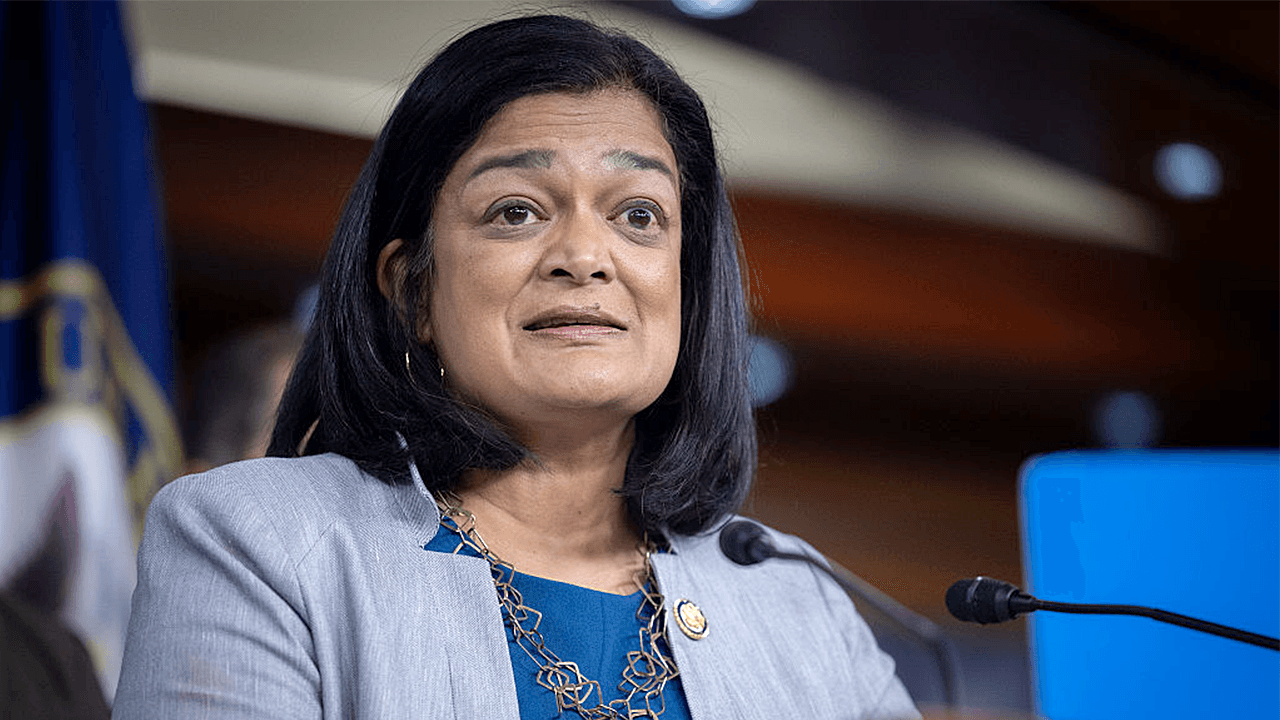
Democratic Lawmakers Call US Cuba Embargo 'Economic Bombing'
Intra-Party Split Detected
Progressive Democrats openly criticizing Biden administration's Cuba policy while most Democrats remain silent or supportive of current approach
Left says
- •The U.S. energy blockade has created a humanitarian crisis affecting premature babies in incubators, cancer patients unable to receive treatment, and children unable to attend school
- •Cuba has taken positive steps including pardoning over 2,000 prisoners, opening investment opportunities for Cuban Americans, and cooperating with FBI investigations
- •The decades-long embargo is a Cold War relic that no longer serves American or Cuban interests and should be replaced with diplomatic engagement
- •The current policy amounts to collective punishment of the Cuban people rather than effective pressure on the government
Right says
- •The lawmakers are providing propaganda support to a repressive Communist regime that has oppressed its people for 67 years under Castro family rule
- •Cuba's economic problems stem from decades of communist mismanagement and the regime hoarding wealth, not from U.S. sanctions
- •The visit follows other leftist activists who have traveled to Cuba to defend the Castro regime and blame America for the island's problems
- •Engaging with the Cuban government legitimizes a dictatorship that continues to violate human rights and suppress political opposition
Common Take
High Consensus- Representatives Jayapal and Jackson visited Cuba for five days and met with high-level Cuban officials including President Díaz-Canel
- Cuba is experiencing significant economic hardship including power outages, fuel shortages, and infrastructure problems
- Both the U.S. and Cuban governments have acknowledged that high-level talks are ongoing between the two countries
- The current situation is causing real suffering for ordinary Cuban citizens including medical patients and families
The Arguments
Left argues
The U.S. energy blockade has created a verifiable humanitarian crisis, with premature babies at risk due to non-functioning incubators, cancer patients unable to receive treatment, and children unable to attend school due to lack of fuel for transportation.
Right counters
Cuba's economic problems stem from 67 years of communist mismanagement and the Castro regime hoarding wealth, not from U.S. sanctions—the regime could address these humanitarian needs if it prioritized its people over maintaining power.
Right argues
These lawmakers are providing propaganda support to a repressive Communist regime that continues to violate human rights and suppress political opposition, legitimizing a dictatorship through diplomatic engagement.
Left counters
Cuba has demonstrated willingness to reform by pardoning over 2,000 prisoners, opening investment opportunities for Cuban Americans, and cooperating with FBI investigations—engagement creates opportunities for positive change that isolation cannot achieve.
Left argues
The decades-long embargo is a Cold War relic that no longer serves American or Cuban interests and amounts to collective punishment of the Cuban people rather than effective pressure on the government.
Right counters
Maintaining economic pressure is necessary to avoid rewarding authoritarian behavior and legitimizing a regime that has oppressed its people for decades—lifting sanctions without democratic reforms would only strengthen the dictatorship.
Right argues
The visit follows a pattern of leftist activists traveling to Cuba to defend the Castro regime and blame America for problems that are actually caused by communist economic policies and authoritarian governance.
Left counters
Direct diplomatic engagement and fact-finding missions are essential for developing evidence-based policy rather than relying on Cold War-era assumptions—witnessing conditions firsthand provides crucial information for effective governance.
Challenge Questions
These questions target genuine internal contradictions — meant to provoke honest reflection.
Right asks Left
“If Cuba's recent reforms like prisoner pardons and economic openings demonstrate genuine willingness to change, why hasn't the regime released political prisoners or allowed meaningful political opposition—and how can you distinguish between cosmetic reforms designed to gain sanctions relief and authentic democratic progress?”
Left asks Right
“If the embargo's primary purpose is to pressure the Cuban government toward democratic reform, how do you explain the fact that 60+ years of sanctions have failed to achieve this goal while potentially strengthening the regime's narrative that external enemies justify internal repression?”
Outlier Report
Left Fringe
Progressive Squad members like Rep. Ilhan Omar and activists like Hasan Piker who frame Cuba as primarily a victim of U.S. imperialism rather than acknowledging the regime's authoritarian nature. This represents roughly 15-20% of the Democratic base.
Right Fringe
Hardline anti-Castro voices like Sen. Marco Rubio and Rep. Mario Diaz-Balart who oppose any engagement whatsoever, even humanitarian aid, representing about 25-30% of Republicans, particularly concentrated in Florida's Cuban-American community.
Noise Assessment
Moderate noise level - the 'economic bombing' language is inflammatory and designed for social media engagement, but the underlying Cuba policy debate reflects genuine ideological divisions rather than pure performative politics.
Sources (4)
Reps. Pramila Jayapal and Jonathan Jackson said after a Congressional delegation to Cuba that U.S. economic restrictions on the island represented an "illegal U.S. blockade of fuel."
Two U.S. lawmakers are calling for a permanent solution to Cuba’s crises after witnessing the effects of a U.S. energy blockade during an official visit to the island
<p>Reps. Pramila Jayapal (D-WA) and Jonathan Jackson (D-IL) revealed on Monday that they had briefly visited Cuba over the Easter holiday and met with figurehead "president" Miguel Díaz-Canel, saying they support greater engagement with the repressive Communist Party.</p> <p>The post <a href="https://www.breitbart.com/latin-america/2026/04/06/congressional-democrats-follow-hasan-piker-to-cuba-lending-support-to-the-communist-regime/" rel="nofollow">Congressional Democrats Follow Hasan Piker to Cuba, Lending Support to the Communist Regime</a> appeared first on <a href="https://www.breitbart.com" rel="nofollow">Breitbart</a>.</p>
Two U.S. lawmakers are calling for a permanent solution to Cuba's crises after witnessing the effects of a U.S. energy blockade during an official visit.