Hantavirus Outbreak Revives COVID-Era Misinformation and Ivermectin Claims
Left says
- •The Trump administration's dismantling of pandemic preparedness infrastructure leaves America vulnerable to future outbreaks, regardless of whether hantavirus becomes a major threat
- •AI tools have made it easier for influencers to spread dangerous misinformation, with ivermectin advocates already promoting unproven treatments despite no clinical evidence
- •Public health authorities should adopt a precaution-first approach rather than rushing to reassure the public, given how early COVID-19 messaging proved wrong
- •The government's inadequate response demonstrates broader failures in addressing emerging health threats and protecting public safety
Right says
- •Vitamin D, zinc, and ivermectin represent potential preventive measures that deserve consideration rather than immediate dismissal by the medical establishment
- •Pharmaceutical companies may manipulate virus research and vaccine development for profit, making independent treatment options important
- •States should expand access to ivermectin and other treatments, allowing patients and doctors to make informed decisions without federal interference
- •The medical establishment's quick dismissal of alternative treatments mirrors the same institutional failures seen during COVID-19
Common Take
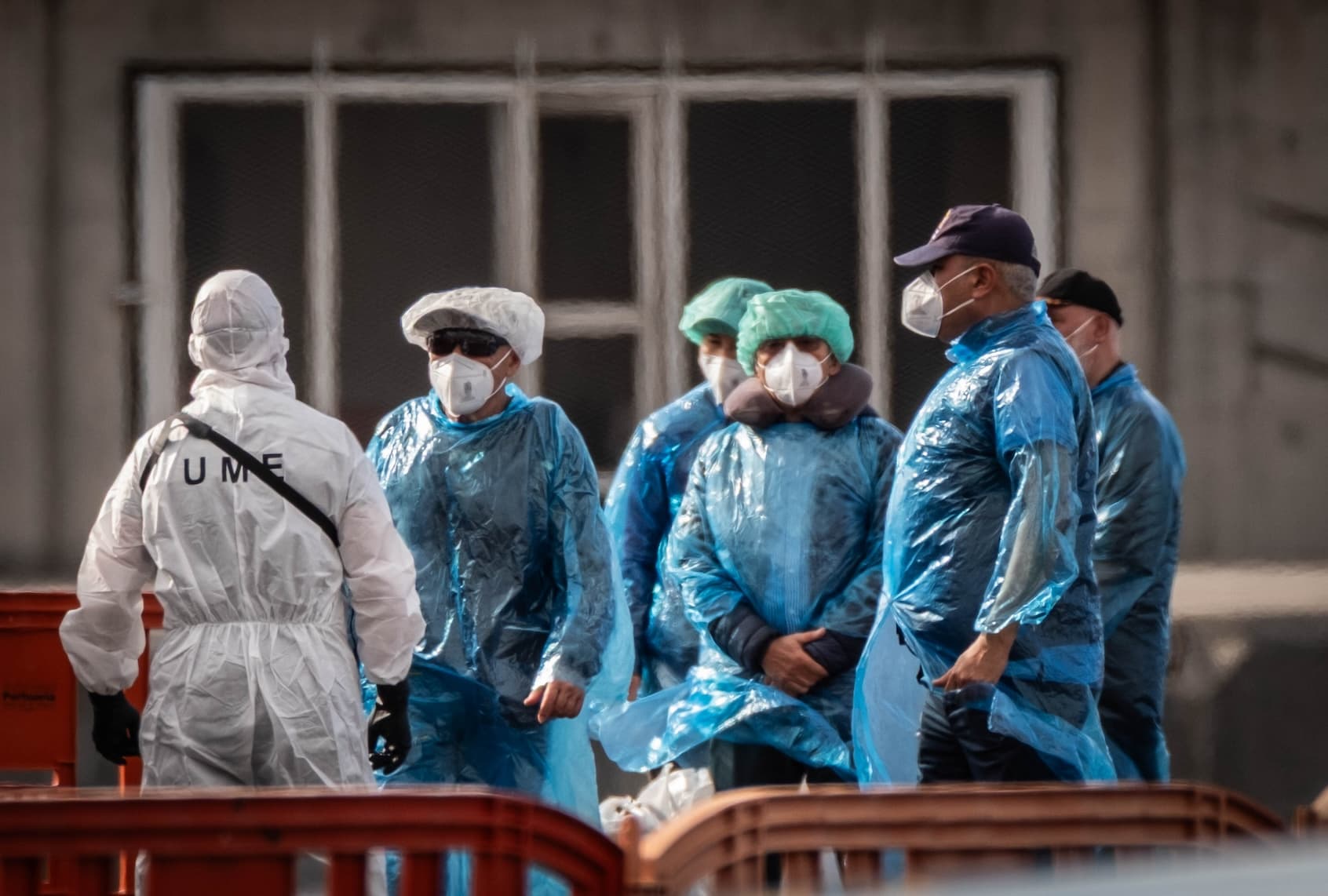
High Consensus- The hantavirus outbreak on the cruise ship has infected 11 people and killed 3, with 18 Americans now in quarantine facilities
- This particular strain requires close contact to spread and poses low risk to the general public
- The outbreak brings back concerning memories of early COVID-19 cruise ship incidents
- Proper monitoring and containment measures are essential to prevent wider transmission
The Arguments
Left argues
The Trump administration's dismantling of pandemic preparedness infrastructure has left America fundamentally vulnerable to emerging health threats, as evidenced by the inadequate initial response to the hantavirus outbreak and the broader pattern of institutional failures.
Right counters
States can and should take independent action to expand treatment options and protect their citizens rather than relying on federal bureaucracy, which has repeatedly proven slow and ineffective during health emergencies.
Right argues
Vitamin D, zinc, and ivermectin represent legitimate preventive measures that deserve scientific consideration rather than immediate dismissal, especially given the medical establishment's track record of prematurely rejecting treatments during COVID-19.
Left counters
Promoting unproven treatments without clinical evidence is dangerous misinformation that could lead people to delay or avoid proven medical interventions, potentially costing lives during a health emergency.
Left argues
AI tools have dramatically amplified the spread of dangerous health misinformation, with influencers already promoting ivermectin for hantavirus despite zero clinical evidence, creating the same information chaos that hampered COVID-19 response.
Right counters
The medical establishment's reflexive dismissal of alternative treatments mirrors the same institutional arrogance that led to early COVID-19 messaging failures, and patients deserve the right to make informed decisions with their doctors about all available options.
Right argues
Pharmaceutical companies have clear financial incentives to manipulate virus research and vaccine development for profit, making independent treatment options crucial for protecting patients from corporate influence over medical decisions.
Left counters
Conspiracy theories about pharmaceutical manipulation distract from evidence-based medicine and public health preparedness, while promoting unregulated treatments that lack safety and efficacy data puts vulnerable populations at risk.
Left argues
Public health authorities should adopt a precaution-first approach rather than rushing to reassure the public, given how early COVID-19 messaging about airborne transmission and masks proved catastrophically wrong and damaged institutional credibility.
Right counters
Excessive precautionary measures and alarmist messaging can cause unnecessary panic and economic disruption, while empowering individuals and doctors to make treatment decisions preserves both medical freedom and public trust.
Challenge Questions
These questions target genuine internal contradictions — meant to provoke honest reflection.
Right asks Left
“If you acknowledge that early COVID-19 messaging from health authorities was wrong about airborne transmission and masks, how can you simultaneously argue that people should trust these same institutions to immediately dismiss alternative treatments without proper investigation?”
Left asks Right
“If you believe patients and doctors should have the freedom to make informed decisions about treatments like ivermectin, how do you reconcile this with promoting these treatments publicly before any clinical evidence exists for their effectiveness against hantavirus?”
Outlier Report
Left Fringe
Some progressive activists calling for immediate lockdowns and maximum precautionary measures despite low transmission risk represent about 15% of the left coalition.
Right Fringe
Marjorie Taylor Greene, Mary Talley Bowden, and Josh Walkos promoting ivermectin for hantavirus without evidence represent about 20% of the right coalition - the same core group that promoted COVID-19 conspiracy theories.
Noise Assessment
High noise ratio - most discourse is driven by the same COVID-era figures recycling familiar talking points rather than genuine public concern about hantavirus specifically.
Sources (9)
Here’s what to know about the virus, how it spreads and the risk to the general public.
Experts say A.I. tools have made it even easier for influencers and others to spread false messages online.
The Dutch cruise ship incident probably isn’t the next pandemic. That doesn’t mean we’re risk-free from outbreaks
I, for one, would like to do more than just hope it will be fine. Personally, I’d prefer to quarantine everybody until we could be certain that they did not have the virus.
<p>Those who cheered ivermectin as a Covid-19 treatment are now making unsubstantiated claims about its use against hantavirus.</p> <p>The post <a href="https://theintercept.com/2026/05/08/hantavirus-cruise-ship-outbreak-ivermectin-covid/">Amid Hantavirus Panic, the Ivermectin Super Fans Are Back</a> appeared first on <a href="https://theintercept.com">The Intercept</a>.</p>
<p>Gregg Gonsalves</p> <div><img alt="" src="https://www.thenation.com/wp-content/uploads/2026/05/GettyImages-2275642076.jpg" /></div> <div> <div class="wp-block-the-nation-dek article-title__dek"> <p>The government’s destruction of our pandemic preparedness is.</p> </div> </div> <p>The post <a href="https://www.thenation.com/article/society/hantavirus-pandemic-preparedness/">The Hantavirus Isn’t the Biggest Threat We’re Facing</a> appeared first on <a href="https://www.thenation.com">The Nation</a>.</p>
Should you be worried about the hantavirus outbreak? Should you be afraid? Should you be panicking? Should you start freaking out? If you’ve been following the coverage of the hantavirus outbreak aboard the cruise ship MV Hondius, these are the questions you’ve seen posed in headlines. And a small tip from inside  the media: If […]
Almost as soon as the hantavirus outbreak on the cruise ship MV Hondius became international news, public health experts rushed to assuage the public: This is not Covid-19. Don’t worry — this is a virus that requires “close contact” to spread. The risk of a pandemic is quite low. But if this apparent certainty from […]
Eighteen Americans are now back in the United States after being stuck on a cruise ship that was stricken with an outbreak of hantavirus. That cruise seems a strong contender for among the worst in history — the passengers became stuck early last month, when a handful became sick. Since then, three passengers have died […]