Inflation Hits 3.8% as Iran War Drives Energy Costs Higher
Left says
- •Working families are bearing the brunt of rising costs as inflation outpaces wage growth for the first time in three years, effectively reducing take-home pay
- •The Trump administration's rejection of Iran's latest peace proposals and calling the ceasefire 'on life support' prolongs the conflict and keeps energy prices elevated
- •Consumer sentiment has dropped to levels similar to 2022's inflation peak, reflecting widespread economic anxiety among Americans
- •Essential costs like food, utilities, and airfare are rising across the board, making basic necessities less affordable for ordinary citizens
Right says
- •Energy price increases account for over 40% of the inflation surge, directly tied to Iran's blockade of the Strait of Hormuz choking off global oil supplies
- •Core inflation excluding volatile energy prices remains more modest at 2.8%, suggesting the spike is primarily driven by the geopolitical crisis rather than broader economic fundamentals
- •The administration is focused on eliminating the Iranian nuclear threat while working to deliver affordability, balancing national security with economic concerns
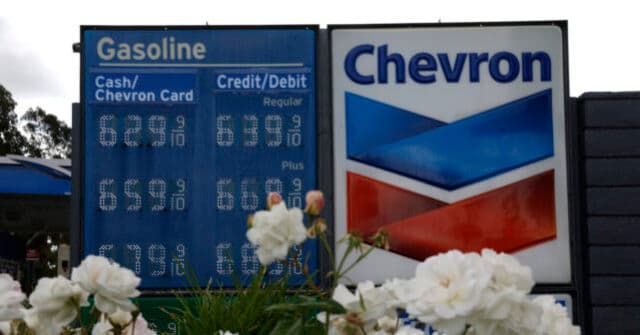
- •Gas prices have surged over 50% since the conflict began, but suspending the federal gas tax could provide some relief to American motorists
Common Take
High Consensus- Inflation reached 3.8% in April, the highest level since May 2023, matching economist expectations
- Energy prices drove 40% of the monthly increase, with gasoline prices up 28.4% annually and averaging $4.50 per gallon nationally
- The ongoing Iran conflict and closure of the Strait of Hormuz continue to disrupt global oil supplies and drive up energy costs
- For the first time since 2023, inflation is outpacing wage growth, reducing Americans' real purchasing power
The Arguments
Left argues
Working families are experiencing real economic hardship as inflation outpaces wage growth for the first time in three years, effectively reducing their purchasing power and making basic necessities less affordable.
Right counters
The inflation spike is primarily driven by geopolitical factors beyond domestic control, with core inflation remaining modest at 2.8%, indicating underlying economic fundamentals remain sound.
Right argues
Energy price increases account for over 40% of the inflation surge and are directly tied to Iran's blockade of the Strait of Hormuz, demonstrating this is a supply shock rather than a broader economic problem.
Left counters
Regardless of the cause, Americans are paying the price with higher costs across all essential categories including food, utilities, and airfare, while the administration's rejection of peace proposals prolongs their suffering.
Left argues
Consumer sentiment has dropped to levels similar to 2022's inflation peak, reflecting widespread economic anxiety as families struggle with rising costs for essentials like food and utilities.
Right counters
The administration is balancing national security concerns with economic relief measures like suspending the federal gas tax, while working to eliminate the Iranian nuclear threat that poses long-term risks.
Right argues
Gas prices have surged over 50% since the conflict began due to Iran's chokehold on global oil supplies, but targeted relief measures like suspending the federal gas tax could provide immediate help to motorists.
Left counters
A temporary gas tax suspension provides minimal relief while the administration's hawkish stance on peace negotiations ensures energy prices will remain elevated, continuing to erode working families' living standards.
Challenge Questions
These questions target genuine internal contradictions — meant to provoke honest reflection.
Right asks Left
“If you acknowledge that energy prices are driving inflation due to Iran's actions, how can you simultaneously blame the administration for inflation while criticizing their efforts to address the root cause of the Iranian threat?”
Left asks Right
“If core inflation excluding energy is only 2.8% and you admit this is primarily a geopolitical supply shock, how do you justify prioritizing national security over immediate economic relief when both cannot be achieved simultaneously?”
Outlier Report
Left Fringe
Progressive economists like Stephanie Kelton and some Democratic Socialist caucus members who might argue for price controls or blame corporate profiteering rather than war costs. Represents roughly 15% of the left.
Right Fringe
Isolationist figures like Tucker Carlson or some America First advocates who might argue the war itself is unnecessary and driving inflation, contradicting the administration's national security framing. Represents roughly 20% of the right.
Noise Assessment
Moderate noise level - most discourse reflects genuine public concern about rising costs, though some partisan figures amplify blame attribution beyond what average Americans focus on.
Sources (8)
<p>The consumer price index rose 0.6 percent in April, the Department of Labor said Tuesday. Compared with a year ago, prices are up 3.8 percent. This matched expectations.</p> <p>The post <a href="https://www.breitbart.com/economy/2026/05/12/consumer-prices-rose-in-april/" rel="nofollow">Soaring Energy Prices Push Consumer Inflation Up To 3.8%</a> appeared first on <a href="https://www.breitbart.com" rel="nofollow">Breitbart</a>.</p>
U.S. consumer prices rose in April, fueled by a spike in energy prices caused by the Iran war.
Inflation reached its highest rate under President Donald Trump’s second term, ticking up 0.6% in April, for a one-year pace of 3.8%, according to data released Tuesday by the Bureau of Labor Statistics. The 3.8% annualized rate is the highest inflation mark since May of 2023, when it came in at 4% and was on ...
Inflation hits 3.8%, outpacing wage growth
Skyrocketing gasoline prices tied to the Iran war are erasing Americans' wage gains, with inflation outpacing paycheck growth for the first time in three years.
Also, Russia keeps attacking U.S. companies in Ukraine. Here’s the latest at the end of Tuesday.
<p>Prices rose 3.8% over the last year, according to Bureau of Labor Statistics data, highest jump since 2023</p><ul><li><p><a href="https://www.theguardian.com/news/2026/feb/17/sign-up-for-the-breaking-news-us-email-to-get-newsletter-alerts-direct-to-your-inbox?utm_medium=ACQUISITIONS_STANDFIRST&utm_campaign=BN22326&utm_content=signup&utm_term=standfirst&utm_source=GUARDIAN_WEB">Sign up for the Breaking News US newsletter email</a></p></li></ul><p>US inflation jumped to 3.8% in April as the war in the Middle East continued to drive energy prices and everyday costs for Americans.</p><p>Prices rose 3.8% over the last year, according to the data from the Bureau of Labor Statistics, the highest jump since 2023.</p> <a href="https://www.theguardian.com/business/2026/may/12/us-inflation-april-iran-war">Continue reading...</a>
The annual inflation rate shot higher in April as the war in Iran drove up energy and food prices, according to data released Tuesday by the Labor Department. The consumer price index (CPI), a popular gauge of inflation, rose 3.8 percent over the past 12 months and 0.6 percent in April alone, according to the…