Iran blocks oil shipments as US strikes mine-laying vessels
Left says
- •US military aggression in the Strait of Hormuz escalates an already volatile situation, risking broader regional war and civilian casualties
- •Iran's defensive actions stem from legitimate concerns about Israeli and American attacks on its territory and infrastructure
- •The conflict demonstrates how military interventionism creates economic instability that hurts ordinary people through higher energy costs and mortgage rates
- •International cooperation through the IEA oil reserve release shows multilateral solutions work better than unilateral military strikes
Right says
- •Iran's mine-laying operations and attacks on civilian cargo vessels constitute acts of war that threaten global energy security and maritime commerce
- •Swift US military response to neutralize Iranian mine-laying vessels protects international shipping lanes and prevents economic catastrophe
- •Iran's explicit threats to block oil shipments amount to economic terrorism that justifies decisive military action to keep vital trade routes open
- •The mortgage market turmoil and rising energy prices demonstrate the real-world consequences of allowing Iranian aggression to go unchecked
Common Take
High Consensus- The Strait of Hormuz is a critical global shipping lane through which about one-fifth of the world's oil passes
- Rising oil prices and market volatility are causing real economic hardship for consumers through higher energy costs and mortgage rates
- The conflict has resulted in attacks on civilian cargo vessels and infrastructure, creating risks for international commerce
- Multiple countries recognize the severity of the situation, as evidenced by the unanimous IEA decision to release emergency oil reserves
The Arguments
Right argues
Iran's mine-laying operations in the Strait of Hormuz constitute acts of war against international maritime commerce, threatening the passage of one-fifth of the world's oil supply and justifying immediate military response to protect global energy security.
Left counters
Iran's defensive actions are a direct response to US-Israeli attacks on Iranian territory and oil infrastructure, making these retaliatory measures rather than unprovoked aggression against international shipping.
Left argues
The mortgage market turmoil and rising energy costs demonstrate how military escalation creates economic instability that hurts ordinary citizens, while the successful IEA coordinated oil reserve release shows multilateral diplomatic solutions are more effective than unilateral strikes.
Right counters
The economic disruption proves exactly why Iranian threats to block oil shipments cannot be tolerated - swift military action to neutralize mine-laying vessels prevents far worse economic catastrophe than allowing Iran to control global energy supplies.
Right argues
Iran's explicit threat to block 'not even a single litre of oil' to the US, Israel and their partners amounts to economic terrorism that weaponizes global energy supplies and demands decisive military intervention to keep vital trade routes open.
Left counters
Iran's conditional threat is specifically tied to continued attacks on its territory - the escalation stems from US-Israeli military aggression that destabilized the region and provoked Iran's defensive response.
Left argues
US military strikes on Iranian vessels represent dangerous escalation that risks broader regional war, as evidenced by the cycle of retaliatory attacks now spreading across multiple Gulf states and threatening civilian casualties.
Right counters
Allowing Iran to lay mines and attack civilian cargo vessels unchallenged would embolden further aggression and create precedent for other hostile actors to threaten international shipping lanes with impunity.
Right argues
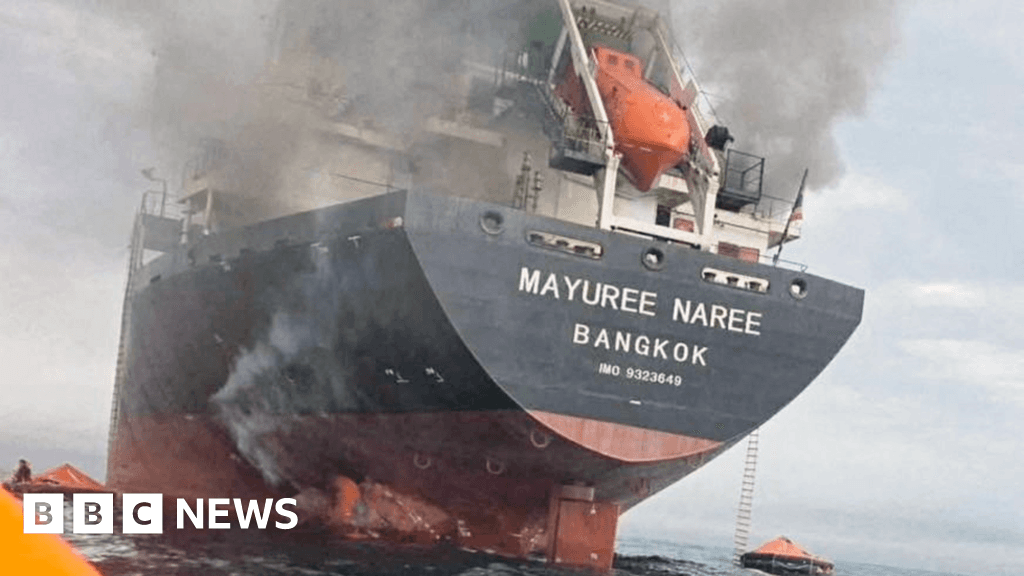
The attacks on three civilian cargo vessels, including a Thai-flagged ship requiring crew rescue, demonstrate Iran's willingness to target innocent maritime workers and justify protective military action to secure international waters.
Left counters
These incidents occurred after US-Israeli strikes on Iranian oil facilities escalated tensions, and Iran claims the Thai vessel ignored warnings, suggesting these were targeted responses rather than indiscriminate attacks on civilians.
Challenge Questions
These questions target genuine internal contradictions — meant to provoke honest reflection.
Right asks Left
“If multilateral diplomatic solutions like the IEA oil reserve release are truly more effective than military action, why didn't these mechanisms prevent Iran from laying mines and attacking civilian vessels in the first place?”
Left asks Right
“If the goal is truly to protect international shipping and prevent economic catastrophe, how does military escalation that has already caused mortgage market turmoil and rising energy prices across multiple countries achieve these protective objectives?”
Outlier Report
Left Fringe
Progressive caucus members like Alexandria Ocasio-Cortez and Rashida Tlaib who have historically opposed any military action against Iran, representing approximately 15-20% of the Democratic base based on their anti-war coalition size.
Right Fringe
Isolationist Republicans like Rand Paul and Thomas Massie who oppose military engagement despite Iranian provocations, representing roughly 10-15% of the Republican base based on their consistent anti-interventionist voting records.
Noise Assessment
Moderate noise amplification - most discourse appears genuine given direct economic impacts (mortgage rates, oil prices) affecting daily life, though some social media rhetoric around oil price predictions may be exaggerated for political effect.
Sources (4)
Pressure has intensified on the strait, one of the world's most important shipping lanes, since Israel and the US attacked Iran late last month.
Average mortgage rates hit highest since last August in the biggest upheaval since the mini-Budget.
<p>The US military says it has attacked and destroyed 16 Iranian mine-laying vessels near the strait of Hormuz amid reports <a href="https://www.theguardian.com/world/iran">Iran</a> has begun laying explosive devices in the strategically vital waterway. About a fifth of the world’s oil passes through the strait, and Iran’s Islamic Revolutionary Guard Corps said this week it would not allow even 'one litre of oil' to leave the region if US-Israeli attacks continued. On Tuesday, Donald Trump said in a post on Truth Social that 'if Iran has put out any mines in the Hormuz strait, and we have no reports of them doing so, we want them removed, IMMEDIATELY!' Less than two hours later, the US military released unclassified <a href="https://x.com/CENTCOM/status/2031489675760640370">footage of its attacks</a> on mine-laying vessels</p><p></p><ul><li><p><a href="https://www.theguardian.com/world/live/2026/mar/11/iran-war-live-updates-trump-oil-hormuz-protestors-us-israel-beirut-middle-east-latest-news"><strong>Middle East crisis live</strong></a></p></li><li><p><a href="https://www.theguardian.com/news/2026/mar/11/us-iran-strait-of-hormuz-mine-boat-attacks"><strong>US attacks Iran’s mine-laying boats in strait of Hormuz as tensions rise over oil</strong></a></p></li></ul> <a href="https://www.theguardian.com/world/video/2026/mar/11/us-footage-strikes-mine-laying-vessels-strait-of-hormuz-video">Continue reading...</a>
<p>A huge column of fire and smoke could be seen rising from an oil depot in the Iranian capital in video shared on social media.</p><p></p><p>Footage from central Tehran shows fires across the skyline as the US and <a href="https://www.theguardian.com/world/israel">Israel</a> hit five oil facilities in overnight strikes in and near the city, an official told state TV.</p><p></p><p>A fresh wave of Iranian strikes hit the Gulf on Sunday, with Saudi Arabia, the United Arab Emirates, Qatar, Bahrain and Kuwait all reporting attacks</p><p></p><ul><li><p><a href="https://www.theguardian.com/world/live/2026/mar/08/middle-east-crisis-live-china-warns-world-cannot-return-to-law-of-the-jungle-trump-says-iran-being-decimated?filterKeyEvents=false&page=with%3Ablock-69ad17a48f08ef977b471d72#block-69ad17a48f08ef977b471d72"><strong>Middle East crisis: latest updates</strong></a></p></li></ul> <a href="https://www.theguardian.com/world/video/2026/mar/08/tehran-oil-sites-on-fire-as-iran-exchanges-strikes-with-israel-and-us-video-report">Continue reading...</a>