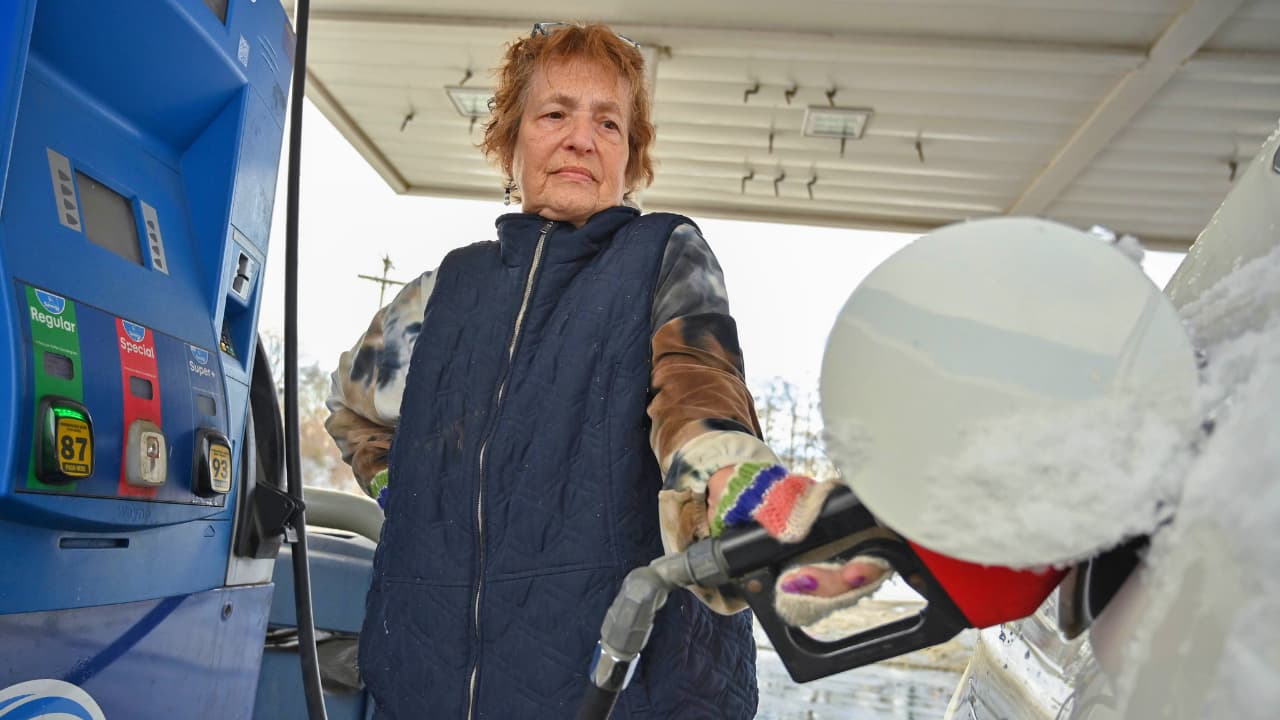
Iran conflict drives gas prices up 59 cents, creating GOP midterm headache
Left says
- •The Federal Reserve faces a more complex decision on interest rate cuts, with investors now expecting delays until September rather than July due to energy market volatility
- •Rising energy costs compound existing affordability challenges for American families already struggling with housing and utility expenses
- •The economic volatility demonstrates the risks of geopolitical conflicts disrupting domestic economic stability and recovery efforts
Right says
- •Trump's core campaign promise of affordability faces a direct challenge from external forces beyond his immediate control
- •The price increases hit hardest in key battleground states like Indiana, Florida, Michigan, and Ohio where Republicans need strong performance
- •Regional price disparities highlight how Democratic-controlled states like California already face the highest gas prices, reaching $5.14 per gallon
Common Take
High Consensus- Gas prices rose 59 cents nationwide in one week, with diesel prices jumping 97 cents to $4.72 per gallon
- Oil prices surged past $100 per barrel for the first time since 2022 due to Iran conflict concerns
- The steepest price increases occurred in battleground states including Indiana, Florida, Michigan, and Ohio
- Rising energy costs create financial pressure on American families regardless of political affiliation
The Arguments
Right argues
Trump's affordability promises are being undermined by external geopolitical forces completely beyond his control, demonstrating how foreign conflicts can derail even the most well-intentioned domestic economic policies.
Left counters
Presidents are judged on economic outcomes regardless of their causes, and Trump's energy policies should have built in more resilience against predictable geopolitical shocks rather than relying on volatile global markets.
Left argues
Rising energy costs are compounding existing affordability crises in housing and utilities, creating a perfect storm that threatens economic recovery and forces the Federal Reserve to delay necessary interest rate cuts.
Right counters
The price increases are hitting hardest in key battleground states where Republicans need strong performance, but Democratic-controlled states like California already face the highest baseline prices at $5.14 per gallon, showing this is a broader policy failure.
Left argues
The Iran conflict's market disruption demonstrates the fundamental risks of geopolitical instability to domestic economic stability, with oil prices surging past $100 per barrel for the first time since 2022.
Right counters
Regional price disparities reveal that states with the lowest prices like Kansas ($2.90) and Oklahoma ($2.95) tend to have Republican-friendly energy policies, while the highest prices are in Democratic strongholds.
Right argues
The 59-cent nationwide gas price increase creates immediate political vulnerability for Republicans in crucial midterm battleground states like Indiana, Florida, Michigan, and Ohio where voters are already inflation-weary.
Left counters
This volatility underscores why the economy needs more sustainable, diversified energy policies rather than dependence on unpredictable fossil fuel markets that can be disrupted by any international crisis.
Challenge Questions
These questions target genuine internal contradictions — meant to provoke honest reflection.
Right asks Left
“If geopolitical conflicts causing energy price spikes are truly unpredictable external shocks, how can you simultaneously argue that Trump's policies should have been designed to prevent exactly these kinds of disruptions?”
Left asks Right
“If Democratic-controlled states already have the highest gas prices even before this crisis, how does blaming Trump for Iran-driven increases explain the pre-existing price disparities that favor Republican-led states?”
Outlier Report
Left Fringe
Progressive climate activists like Sunrise Movement leaders who might argue high gas prices are necessary to accelerate green transition, representing roughly 5-8% of the left coalition.
Right Fringe
America First isolationists who might blame Trump for any military involvement with Iran rather than focusing on gas prices, representing approximately 10-15% of the right coalition.
Noise Assessment
Moderate - most discourse appears genuine voter concern about pocketbook issues rather than performative positioning, though partisan media framing amplifies political implications beyond immediate economic impact.
Sources (5)
Trump vowed to keep oil flowing as the Iran conflict drove gas prices up 59 cents nationwide, creating new political pressure ahead of the midterm elections.
Investors now expect that the Fed will delay a rate cut until September instead of July, as they had before the war in Iran began.
Plus: FBI subpoenas Arizona election records, Anthropic sues Pentagon, Iranian soccer players granted asylum in Australia
The war in Iran sent financial markets and energy prices on a roller-coaster ride on Monday, underlining the political challenges for President Trump in a mixed and rapidly shifting economic landscape. Nowhere was volatility more evident than in the price of oil. Late Sunday, oil futures rocketed by close to 20 percent, sending tremors across…
Defense Secretary Pete Hegseth said Tuesday would be “our most intense day of strikes,” after President Trump sent conflicting messages about the administration’s plans.