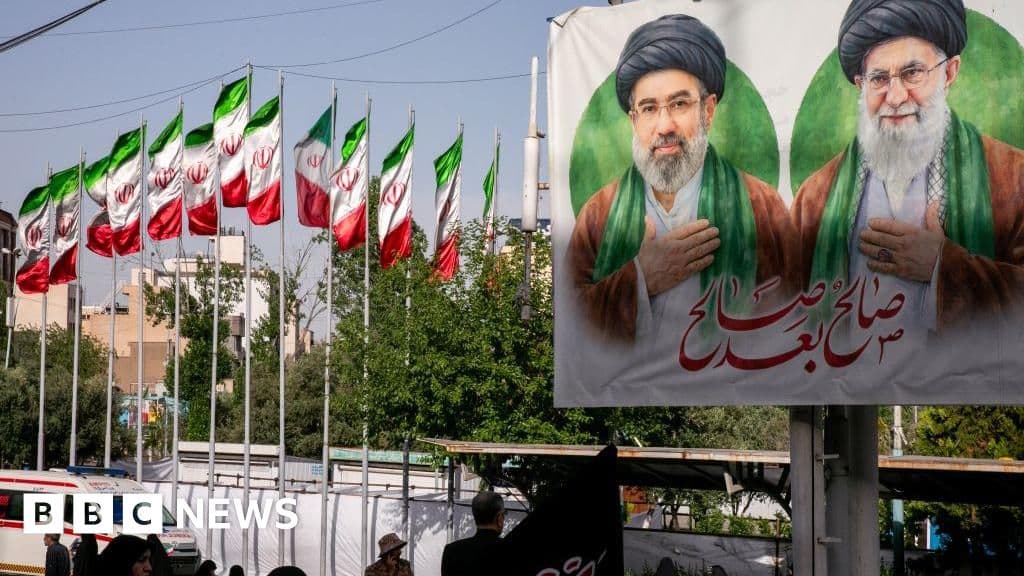
Iran says deal with US not imminent despite Trump optimism
Intra-Party Split Detected
Senior Republican lawmakers warning Iran deal could be 'disastrous mistake' while Trump pursues negotiations
Left says
- •The Trump administration is rushing toward a potentially flawed agreement that could legitimize Iran's regional influence without securing meaningful concessions on nuclear weapons
- •Republican lawmakers are rightfully concerned this deal could be a 'disastrous mistake' that fails to address Iran's fundamental threat to regional stability
- •The agreement appears to be a temporary ceasefire that postpones rather than resolves the core issues of Iranian nuclear ambitions and sanctions relief
Right says
- •Trump's diplomatic approach offers the best path to end a costly three-month war while keeping maximum pressure on Iran through continued negotiations
- •The deal would reopen the crucial Strait of Hormuz trade route, restoring 20% of global oil and gas shipments that have been disrupted
- •Iran's acknowledgment of progress shows Trump's strength-based negotiating strategy is working, even as Tehran tries to manage domestic expectations
Common Take
High Consensus- Both the US and Iran acknowledge significant progress has been made in negotiations
- The proposed deal involves a 60-day ceasefire extension and reopening the Strait of Hormuz
- Major issues including nuclear program restrictions and sanctions relief remain unresolved for future negotiations
- Communication difficulties with Iran's leadership are slowing the pace of final agreement
The Arguments
Right argues
Trump's strength-based negotiating strategy is demonstrably working, as evidenced by Iran's acknowledgment of progress and willingness to engage in substantive talks after three months of costly conflict. The potential deal would immediately restore critical global trade routes through the Strait of Hormuz, which carries 20% of the world's oil and gas shipments.
Left counters
Iran's cautious messaging and emphasis that 'no deal is imminent' suggests they are managing domestic expectations rather than genuinely capitulating to Trump's pressure. The acknowledgment of progress could simply be diplomatic positioning while Iran maintains its core negotiating positions on nuclear issues and sanctions relief.
Left argues
This appears to be a fundamentally flawed agreement that postpones rather than resolves the core issues, leaving Iran's nuclear ambitions and the scope of sanctions relief to be negotiated later. Republican lawmakers are rightfully concerned this could legitimize Iran's regional influence without securing meaningful concessions on the most critical security threats.
Right counters
A phased approach that first ends the immediate conflict and reopens vital trade routes is pragmatic diplomacy that creates momentum for addressing deeper issues. Demanding resolution of all complex nuclear and sanctions questions upfront could derail negotiations entirely and perpetuate the costly war.
Left argues
The deal structure suggests the Trump administration is rushing toward an agreement to claim a diplomatic victory, potentially accepting a temporary ceasefire that allows Iran to maintain its threatening capabilities while gaining economic relief. This could be a 'disastrous mistake' that fails to address Iran's fundamental threat to regional stability.
Right counters
Trump explicitly stated he would not 'rush into a deal' and emphasized that if negotiations fail, the alternative would be resumed fighting 'bigger and stronger than ever before.' This demonstrates he is maintaining maximum pressure while pursuing the best available diplomatic solution to end a destructive conflict.
Right argues
The current diplomatic track offers the most realistic path to end a three-month war that has disrupted global energy markets and threatened regional stability. Iran's willingness to restore internet access and engage in substantive negotiations shows that sustained pressure combined with diplomatic engagement can produce results.
Left counters
Iran's tactical concessions like restoring internet access may be calculated moves to appear reasonable while maintaining their core positions on nuclear development and regional influence. The reported communication difficulties with Iran's Supreme Leader suggest internal chaos rather than genuine policy shifts toward moderation.
Challenge Questions
These questions target genuine internal contradictions — meant to provoke honest reflection.
Right asks Left
“If maximum pressure and comprehensive demands are the only acceptable approach, how do you reconcile this position with the reality that three months of conflict have already imposed significant costs on global energy markets and regional stability without achieving those comprehensive goals?”
Left asks Right
“If Trump's negotiating strategy is truly working as claimed, why are Iranian officials consistently tempering expectations and emphasizing that fundamental issues like nuclear concessions are not part of the current discussions?”
Outlier Report
Left Fringe
Progressive anti-war activists like CodePink's Medea Benjamin and some Squad members who might oppose any deal that doesn't include complete sanctions relief and reparations. Represents roughly 15% of the left.
Right Fringe
Hardline Iran hawks like Senator Tom Cotton and John Bolton who would oppose any deal with Iran regardless of terms, preferring maximum military pressure. Represents about 20% of the right.
Noise Assessment
Moderate noise level - most discourse reflects genuine policy disagreements rather than performative positioning, though some partisan figures are amplifying positions for political advantage.
Sources (5)
The US secretary of state earlier said that an agreement could possibly come on Monday.
There appears to be progress in talks between the U.S. and Iran, but the process toward a peace deal may still take some time. CBS News' Aaron MacLean has more insight.
As the Trump administration signals hope for a possible deal, Iran says obstacles linger, and "frequent changes" in U.S. positions aren't helping.
Shares of Google-parent Alphabet fell more than 3% in early trading Monday after a report sparked concerns that its core search engine could lose market share to AI-powered rivals, including Microsoft's Bing.
Iran warned Monday that an agreement to end the war launched by the United States and Israel was not imminent, after President Donald Trump raised and then lowered expectations that a deal may be close