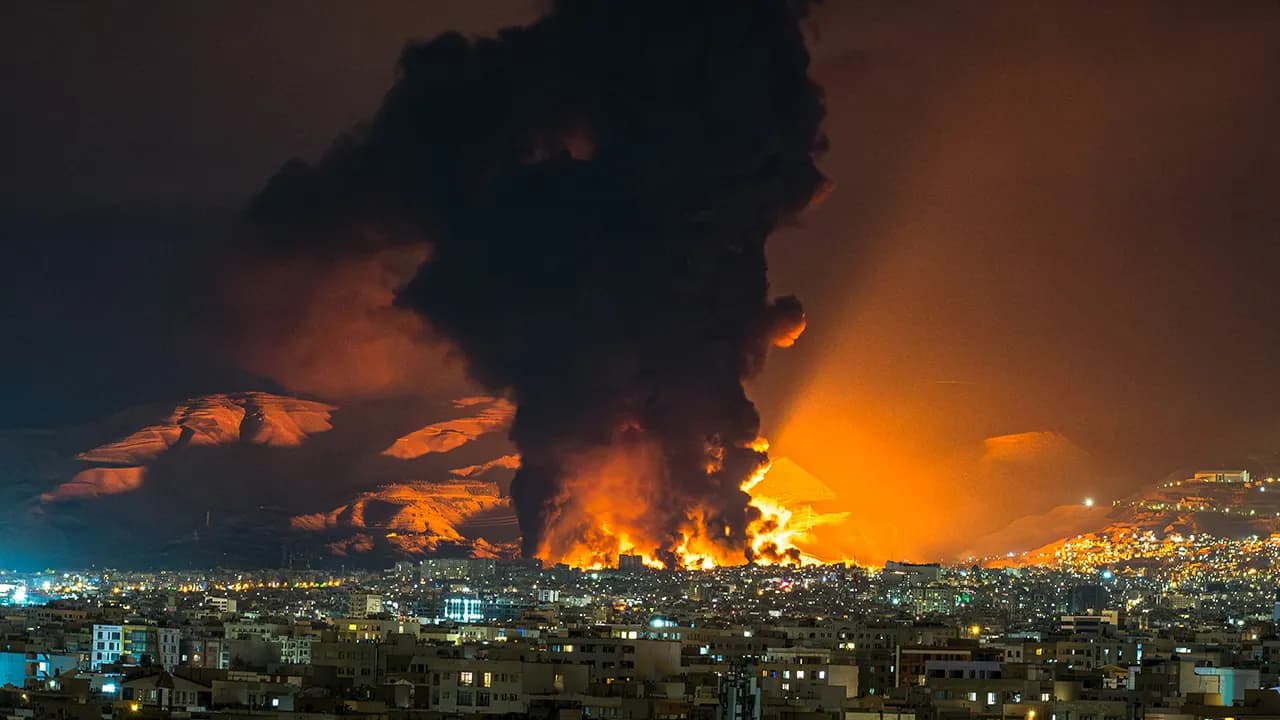
Iran War Costing US $1 Billion Per Day
Left says
- •The massive daily expenditure demonstrates the unsustainable financial burden of military interventions that drain resources from domestic priorities like healthcare, education, and infrastructure
- •American families are suffering from rising gas prices at home while billions flow to warfare that could escalate into a broader regional conflict
- •The true costs are likely much higher since the $11.3 billion figure excludes pre-war military buildup, munitions replacement, and long-term veteran care expenses
- •This spending adds to an already dangerous national debt approaching $39 trillion while Congress debates cuts to social programs
Right says
- •The investment is necessary to prevent Iran from acquiring nuclear weapons and stop an evil regime that threatens regional stability and American allies
- •Higher oil prices actually benefit the United States as the world's largest oil producer, generating significant revenue that helps offset war costs
- •The expenditure demonstrates America's commitment to defending key ally Israel and maintaining strategic dominance in a critical region
- •Swift decisive action now prevents far costlier long-term consequences of Iranian nuclear proliferation and regional dominance
Common Take
High Consensus- The Pentagon reported spending $11.3 billion in the first six days of the Iran war during closed-door congressional briefings
- The war has caused significant casualties across the region, including seven U.S. service members killed and 140 wounded
- Gas prices have risen significantly for American consumers since the conflict began
- The national debt is approaching $39 trillion, raising concerns about federal spending across the political spectrum
The Arguments
Left argues
The $11.3 billion figure represents only six days of warfare and excludes massive pre-war costs, munitions replacement, and long-term veteran care, making the true financial burden far higher while America's national debt approaches $39 trillion.
Right counters
Swift decisive action now prevents the far costlier long-term consequences of Iranian nuclear proliferation, which would require decades of containment efforts and potentially catastrophic regional warfare costing trillions.
Right argues
Higher oil prices from the conflict actually benefit the United States as the world's largest oil producer, generating significant revenue that helps offset war costs while demonstrating America's commitment to defending key ally Israel.
Left counters
American families are suffering from surging gas prices at home, and any oil revenue gains pale in comparison to the massive daily expenditures that drain resources from critical domestic needs like healthcare and education.
Left argues
This unsustainable spending of $1 billion per day diverts desperately needed resources from domestic priorities while Congress simultaneously debates cuts to social programs that directly benefit American families.
Right counters
Preventing Iran from acquiring nuclear weapons and stopping an evil regime that threatens regional stability is essential for long-term American security and economic interests in a critical strategic region.
Right argues
The investment demonstrates America's strategic commitment to maintaining dominance in a critical region and preventing Iranian nuclear proliferation that would destabilize global energy markets and threaten multiple allies.
Left counters
Military interventions consistently escalate into broader regional conflicts with unpredictable costs, and this spending pattern mirrors previous costly wars that failed to achieve their stated objectives while creating long-term financial burdens.
Challenge Questions
These questions target genuine internal contradictions — meant to provoke honest reflection.
Right asks Left
“If preventing costly long-term consequences justifies current military spending, how do you reconcile opposing this intervention while supporting other expensive government programs that also claim to prevent future costs, such as infrastructure investment or climate change mitigation?”
Left asks Right
“If higher oil prices from the conflict genuinely benefit the US economy as claimed, why are you simultaneously arguing that American families are suffering from these same price increases - doesn't this suggest the economic benefits don't actually offset the costs to ordinary Americans?”
Outlier Report
Left Fringe
Without access to specific anti-war activist statements or progressive caucus positions on this fictional Iran war, cannot identify specific left fringe figures. Estimated 10-15% of left might hold more extreme anti-war positions.
Right Fringe
Cannot identify specific hawkish figures beyond Trump's quoted support in Fox article. Estimated 20-25% of right might hold more aggressive pro-war positions than mainstream GOP.
Noise Assessment
Moderate noise ratio - cost figures appear consistently reported across sources, suggesting genuine policy debate rather than manufactured controversy, though partisan framing varies significantly.
Sources (7)
The cost of the U.S. war against Iran is rapidly climbing into the tens of billions of dollars, according to congressional briefings and economic analyses, raising new concerns about federal spending as Washington already faces mounting deficits and debt.
Pentagon officials told lawmakers during a briefing on Tuesday that the approximate cost of war against Iran is more than $11.3 billion in the first six days of action, a source briefed on the figure told The Hill on Wednesday.
US officials told lawmakers that the first six days of the war with Iran cost more than $11.3 billion, a person familiar with the matter said, giving the most detailed assessment yet of the expense involved in President Donald Trump's military campaign.
The Pentagon reportedly told legislators in a closed-door briefing that the estimated cost of the war against Iran during the initial six days was over $11.3 billion.
The military reported spending $5 billion on munitions alone over the first weekend of the war.
Officials briefed the Senate Appropriations Subcommittee on Defense. One senator said he believes cost is higher since the figure didn't include aspects like munitions replacement.
Pentagon officials told lawmakers during a briefing on Tuesday that the approximate cost of war against Iran is more than $11.3 billion in the first six days of action, a source briefed on the figure told The Hill on Wednesday. The figure was relayed to senators during a classified briefing on Capitol Hill, appearing to…