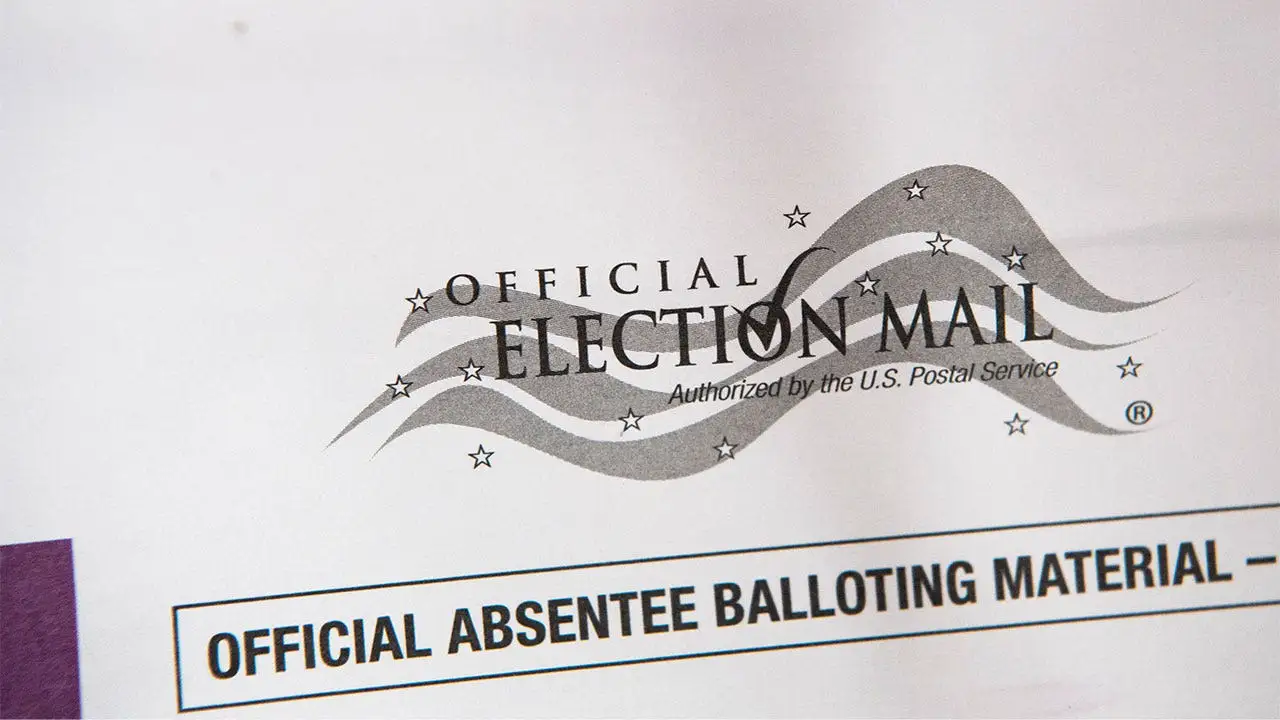
Judge Blocks Trump Mail Ballot Rule Again, Days Before Ballots Mail Out
Left says
- •States and voting rights groups warn that the USPS rule was rushed into effect with no time for election officials to redesign ballots, reorder envelopes, retrain staff, or upload voter data before ballots must go out.
- •Judge Talwani found no evidence in the record of the voter fraud the administration cites to justify the rule, undercutting the stated rationale for restricting mail voting.
- •Nearly a third of Americans vote by mail, and disrupting that system days before ballots are mailed risks disenfranchising eligible voters who rely on it, particularly in states like California where mail voting is the norm.
- •Officials like California's governor and attorney general frame the order as an attempt by the administration to make it harder to vote and to tilt election rules in its favor rather than to protect election integrity.
Right says
- •The executive order is framed as a straightforward measure to verify citizenship and protect election integrity by ensuring only eligible voters receive and cast mail ballots.
- •The Supreme Court already found the earlier injunction against the rule was premature, and the administration views repeated lower-court blocks as judicial obstruction rather than legitimate legal concerns.
- •A single Obama-appointed judge in Boston is seen as repeatedly finding new grounds to block a policy after the Supreme Court allowed it to move forward, raising concerns about one court overriding a national election policy.
- •Supporters argue that requiring standardized ballot envelopes, barcodes, and voter lists is a reasonable administrative step, not an attempt to suppress votes, and that states have had time since the rule was finalized to prepare.
Common Take
High Consensus- Judge Indira Talwani issued a 14-day temporary restraining order on the USPS mail ballot rule just before ballots were set to be mailed for the 2026 midterms.
- The Supreme Court's prior ruling addressed only the timing (ripeness) of the earlier injunction, not the underlying legality of Trump's executive order.
- Mail-in voting affects a substantial share of the electorate, and both sides recognize the practical stakes of last-minute changes to ballot procedures so close to an election.
- The legal fight is expected to continue and likely return to the Supreme Court for a ruling on the merits.
The Arguments
Left argues
Judge Talwani found that election officials face practically impossible timelines to redesign ballots, reorder envelopes, retrain staff, and upload voter data before ballots must legally be mailed, creating a real risk of disenfranchising the nearly one-third of Americans who vote by mail.
Right counters
The rule was finalized in late August and states have known since the executive order was issued in March that these requirements were coming, so any last-minute scramble reflects delay in compliance rather than an inherently impossible timeline.
Right argues
The Supreme Court already ruled that Talwani's earlier injunction was premature, and when a single district judge keeps finding new procedural grounds to block a policy the high court allowed to proceed, it raises legitimate concerns about one court overriding a nationally applicable election policy.
Left counters
The Supreme Court's ruling was narrowly about ripeness and never addressed the legality of the rule itself, so Talwani applying fresh legal analysis to a newly finalized rule is normal judicial process, not defiance.
Right argues
Requiring standardized ballot envelopes, barcodes, and verified voter lists is a reasonable administrative safeguard to ensure only eligible citizens receive and cast mail ballots, not an attempt to make voting harder.
Left counters
Talwani found no evidence of the voter fraud problem the rule claims to solve, meaning states would bear real costs and voters would face real risks to address a threat that isn't substantiated in the record.
Left argues
Officials like Governor Newsom and Attorney General Bonta argue the timing and design of the rule functions to tilt election administration in the administration's favor by disproportionately burdening states like California where mail voting is the default method.
Right counters
Framing a uniform national verification standard as partisan targeting ignores that the rule applies equally to all states, and California's heavy reliance on mail voting is a reason to ensure its integrity, not a reason to exempt it from scrutiny.
Right argues
Postal and administration officials view repeated last-minute injunctions from the same judge as a pattern of judicial obstruction that undermines the ability of any administration to implement election policy on a predictable timeline.
Left counters
Talwani's rulings track the actual procedural posture of the case—she lifted her injunction when required, then issued a new one only after finding fresh evidence of irreparable harm, which is the judiciary functioning as designed rather than obstructing it.
Challenge Questions
These questions target genuine internal contradictions — meant to provoke honest reflection.
Right asks Left
“If the timelines are genuinely too tight to implement basic ballot verification standards, why did voting rights groups wait until after the Supreme Court's ripeness ruling to refile rather than pursuing preparations in parallel with their legal challenge since March?”
Left asks Right
“If the administration's goal is truly just administrative standardization rather than suppression, why did USPS finalize and attempt to implement the rule on a timeline that its own officials warned could produce error rates as high as 30%?”
Outlier Report
Left Fringe
Figures like Gavin Newsom and Rob Bonta, who frame the rule explicitly as Trump 'rigging' elections or 'disenfranchising' voters outright, represent a more aggressive framing than the roughly 25-30% of the left that shares this most intense view; most Democrats/independents on the left are concerned about logistics and timing rather than assuming outright electoral rigging intent.
Right Fringe
Commentators like those at Townhall and figures amplifying 'one Obama judge' framing (e.g., Eric Daugherty-style X posts) push a narrative of judicial illegitimacy and deep-state obstruction that represents perhaps 20-25% of the right; most conservatives support the policy on integrity grounds without necessarily framing the judiciary as corrupt or conspiratorial.
Noise Assessment
Moderate-to-high; the story is heavily proceduralized (TROs, SCOTUS rulings, injunctions) and much of the online discourse (viral tweets about 'Obama judges' or 'disenfranchisement') is amplified partisan framing rather than reflecting nuanced majority public opinion, which is more ambivalent and focused on practical election administration than ideological battle lines.
Sources (10)
President Donald Trump's mail-in voting executive order faces a new two-week block from a federal judge as voters prepare for the midterm elections.
‘Plaintiff Organizations are not likely to prevail’
Additional court rulings could still stop the directive from taking effect before the rapidly approaching midterm elections.
The decision comes days after the Supreme Court overturned an earlier injunction that had blocked the administration’s efforts.
California officials are up in arms over a Trump administration executive order that would require California to tell the U.S. Postal Service who should receive a mail-in ballot, with USPS instructed to deliver ballots only to voters on that list. These new requirements would have an especially significant impact on California, where mail-in voting has...
A federal judge in Boston has again blocked the Trump administration from moving forward with new mail-in voting restrictions ahead of the November midterms for at least another two weeks. Judge Indira Talwani ruled Thursday night that a group of blue states and private voting rights groups were likely to succeed in their claims that…
The president’s executive order is now in effect for the midterm elections, but the ruling leaves the door open to renewed challenges from rights groups.
A federal judge issued a restraining order Thursday night forbidding the U.S. Postal Service from carrying out President Trump's plans to police which mailed ballots can be delivered for November's election, saying the agency overstepped its boundaries.
The legal fight over the controversial measure is expected to continue.