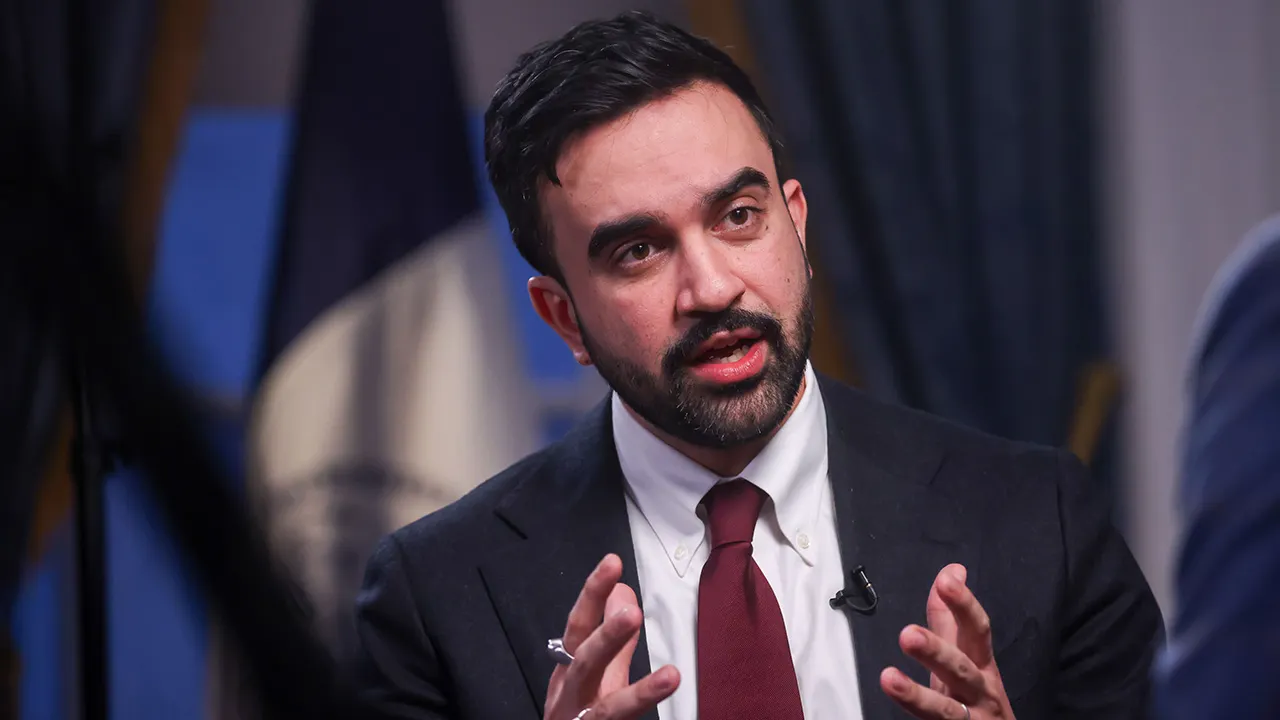
Judge Halts Mamdani's 'Tax the Rich' Rollout Over Due Process
Left says
- •The pied-à-terre tax targets a narrow slice of very wealthy property owners with second homes worth $5 million or more, part of a broader effort to make the ultra-rich pay more toward city services.
- •The judge's ruling addresses procedural flaws in the notification process, not the underlying legitimacy of taxing luxury second homes, and the city can still implement the tax after correcting the process.
- •The city immediately appealed and invoked an automatic stay, showing continued commitment to the policy rather than abandoning it.
- •Legal challenges from a billionaire casino mogul and a former Trump cabinet secretary reflect wealthy interests mobilizing to protect themselves from a tax explicitly designed to address income inequality.
Right says
- •The rollout demonstrates governmental overreach and incompetence, with the city mailing tax notices to thousands of homeowners without first verifying whether the properties were actually second homes or primary residences.
- •Publishing a list of nearly one million properties and owners' names online created needless panic and exposed private citizens to public scrutiny before any due process was afforded.
- •The judge, a Democrat, found the city's actions to be 'arbitrary and capricious' and a violation of due process rights, undercutting the administration's claim that the policy was fairly and properly implemented.
- •This ruling is one of several legal setbacks Mamdani faces on his broader economic agenda, including his rent freeze plan and state-run grocery store proposal, suggesting a pattern of rushed policy rollouts.
Common Take
High Consensus- Judge Wayne Ozzi ruled that the city violated property owners' due process rights by mailing tax notices without first verifying primary residence status.
- The tax applies to one-to-three family homes valued above $5 million and co-ops/condos valued above $1 million that are non-primary residences.
- The city published a list of nearly one million properties, and roughly 17,000 property owners were sent notices as potentially subject to the tax.
- The city has appealed the ruling and triggered an automatic stay, allowing implementation to continue while the appeal proceeds.
The Arguments
Right argues
The city mailed tax notices and published an online list of nearly one million properties and owners' names without first verifying whether those properties were actually second homes, exposing innocent primary residents to public scrutiny and panic before any due process was afforded.
Left counters
The judge's ruling addresses only the notification procedure, not the legitimacy of the tax itself, and the city can still implement the surcharge once it corrects the process, meaning the substantive policy goal of taxing luxury second homes remains intact.
Left argues
The pied-à-terre tax is a narrowly targeted measure aimed at owners of second homes worth $5 million or more, part of a legitimate effort to make the wealthiest property owners contribute more to city services amid rising costs of living.
Right counters
A policy's fairness in theory doesn't excuse a rollout that violated due process rights for thousands of people, including some who were sent notices despite living full-time in the very homes being flagged as non-primary residences.
Right argues
A Democratic judge found the city's implementation to be 'arbitrary and capricious' and in violation of due process, undercutting any claim that this was simply partisan obstruction and instead suggesting genuine administrative incompetence.
Left counters
The city's immediate appeal and invocation of the automatic stay shows it disagrees with the ruling's characterization and remains fully committed to enforcing the tax, treating this as a procedural speed bump rather than evidence of a flawed policy.
Left argues
The legal challenges are being spearheaded by figures like billionaire Steve Wynn and former Trump Commerce Secretary Wilbur Ross, suggesting the lawsuits reflect wealthy interests mobilizing to protect themselves from a tax specifically designed to reduce income inequality.
Right counters
Regardless of who the plaintiffs are, the judge's own findings—not the plaintiffs' wealth—established that roughly 17,000 notices went to people including primary residents who never should have been targeted, a factual defect that exists independent of who sued.
Right argues
This ruling fits a broader pattern of legal setbacks for Mamdani's economic agenda, including challenges to his rent freeze plan and state-run grocery store proposal, suggesting a pattern of rushed, poorly vetted policy rollouts rather than an isolated misstep.
Left counters
Ambitious first-term policies challenging entrenched interests will naturally draw litigation from affected parties, and facing lawsuits is not itself proof of incompetence but rather an expected feature of trying to implement structural change against well-resourced opposition.
Challenge Questions
These questions target genuine internal contradictions — meant to provoke honest reflection.
Right asks Left
“If the tax's legitimacy is truly separate from its rollout, why did the city publish an unverified list of nearly one million property owners before doing the diligence needed to confirm who actually owed the tax?”
Left asks Right
“If the core objection is procedural rather than substantive, does opposition to this tax reflect genuine concern for due process, or does it extend to opposing the underlying policy of taxing multi-million-dollar second homes regardless of how carefully it's implemented?”
Outlier Report
Left Fringe
Democratic Socialists of America-aligned commentators and some Mamdani allies who argue even due-process complaints are bad-faith attempts by billionaires like Steve Wynn to block wealth redistribution, dismissing the judge's procedural concerns as pretextual; roughly 15-20% of the left.
Right Fringe
Commentators like Townhall's writers and some Fox/talk-radio voices who frame Mamdani as an outright 'communist' and use the ruling to delegitimize the entire policy and his broader agenda rather than focus on the narrow due-process issue; roughly 25-30% of the right.
Noise Assessment
Moderate-to-high; much of the loudest commentary (both 'race-communist' rhetoric on the right and 'billionaires attacking justice' framing on the left) is performative amplification on social media, while most ordinary New Yorkers and Americans likely view this as a straightforward story about bureaucratic mismanagement rather than an ideological referendum.
Sources (7)
The tax is facing a new legal challenge from billionaire Steve Wynn and former Commerce Secretary Wilbur Ross.
Judge Wayne Ozzi ruled city officials violated property owners’ due process rights by sending tax notices without verifying their primary residences.
New York City Mayor Zohran Mamdani's plans to charge wealthy out-of-towners with a new tax were dealt a blow on Tuesday after a state judge ordered the administration to redo its rollout.
New York City Mayor Zohran Mamdani’s office filed an appeal on Tuesday following a Staten Island judge’s ruling that barred notices from being sent to homeowners affected by the pied-à-terre tax. A city official told The Hill the appeal invoked the “auto stay,” which under New York law allows the city to continue with its…
A Staten Island Judge on Tuesday ruled against New York City Mayor Zohran Mamdani’s (D) pied-à-terre tax on second homes, arguing the city mishandled the tax’s rollout. Judge Wayne Ozzi, a Democrat on the state’s Supreme Court, wrote in his ruling that Mamdani’s Department of Finance (DOF) violated the plaintiffs’s — a group of NYC…