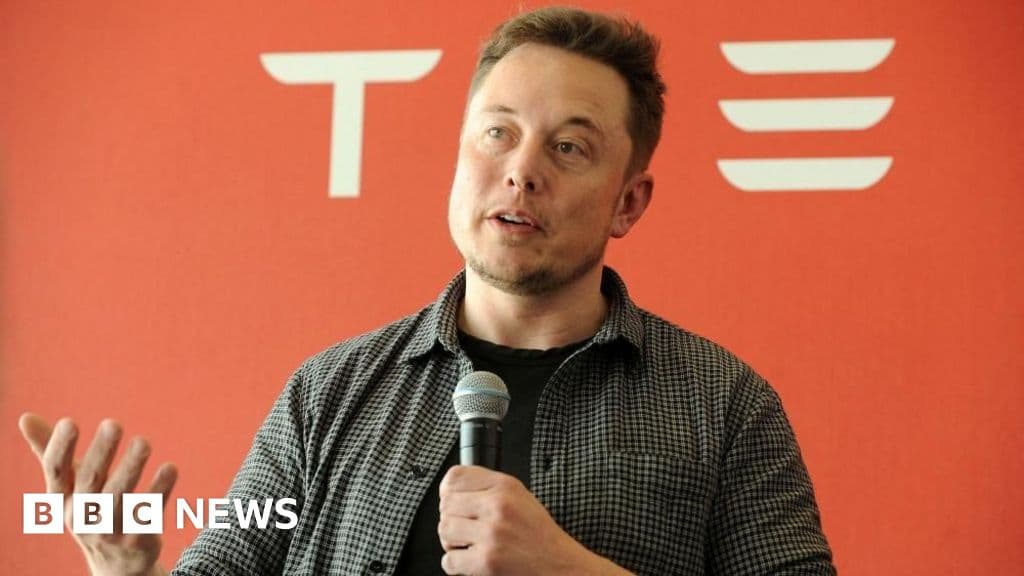
Jury finds Elon Musk liable for misleading Twitter investors
Left says
- •The verdict demonstrates that wealthy and powerful individuals cannot manipulate markets with impunity and must be held accountable under the law
- •Musk's public statements about bot problems and putting the deal 'on hold' artificially depressed Twitter's stock price, harming ordinary shareholders who relied on his words
- •The $2.1 billion in damages sends a crucial message that market manipulation has real consequences for investors who suffer financial losses
- •This case strengthens protections for public markets and ensures corporate leaders face liability for misleading statements that move stock prices
Right says
- •The jury specifically found Musk did not intentionally 'scheme' to defraud investors, rejecting the most serious fraud allegations against him
- •Musk's concerns about Twitter's bot problem were legitimate business issues that any potential acquirer would reasonably raise during due diligence
- •The verdict represents a mixed outcome that absolves Musk of deliberate fraud while only finding liability for specific misleading statements
- •Musk's public comments reflected genuine doubts about Twitter's disclosures rather than a calculated attempt to manipulate the stock price
Common Take
High Consensus- A San Francisco jury unanimously found Musk liable for misleading investors with specific tweets during the Twitter acquisition period
- The jury awarded damages of $3-8 per share per day, totaling approximately $2.1 billion according to plaintiffs' lawyers
- Musk ultimately completed the $44 billion Twitter acquisition in October 2022 after initially trying to back out of the deal
- The case centered on Musk's May 2022 statements about bot problems and putting the deal 'temporarily on hold'
The Arguments
Left argues
The $2.1 billion verdict establishes crucial accountability for market manipulation, proving that even billionaires cannot artificially depress stock prices through misleading public statements that harm ordinary investors who relied on those words.
Right counters
The jury specifically rejected the most serious fraud allegations, finding Musk did not intentionally 'scheme' to defraud investors, which suggests his statements reflected genuine business concerns rather than calculated manipulation.
Right argues
Musk's concerns about Twitter's bot problem were legitimate due diligence issues that any potential acquirer would reasonably raise, especially given Twitter's own disclosure of only 5% fake accounts in regulatory filings.
Left counters
Regardless of whether the bot concerns were legitimate, Musk's public statements about putting the deal 'on hold' and backing out were found by the jury to be deliberately misleading and caused measurable harm to shareholders.
Left argues
This verdict strengthens protections for public markets by demonstrating that corporate leaders face real legal consequences when their public statements move stock prices and cause investor losses.
Right counters
The mixed verdict actually shows the legal system's nuanced approach, distinguishing between legitimate business concerns and intentional fraud, rather than creating blanket liability for all public statements by executives.
Right argues
The jury's finding that Musk did not engage in a deliberate scheme absolves him of the most serious accusations and validates that his public doubts about Twitter's disclosures were genuine rather than fraudulent.
Left counters
Even without proving intentional scheming, the jury still found Musk liable for misleading statements that artificially depressed Twitter's stock price by $3-8 per share, causing billions in investor harm.
Challenge Questions
These questions target genuine internal contradictions — meant to provoke honest reflection.
Right asks Left
“If Musk's bot concerns were ultimately proven correct and Twitter did have more fake accounts than disclosed, how can legitimate due diligence questioning be distinguished from market manipulation, and doesn't this verdict potentially chill necessary corporate oversight?”
Left asks Right
“If the jury found that Musk did not intentionally scheme to defraud investors and his bot concerns may have been legitimate, how do you reconcile this with claims of deliberate market manipulation, and what prevents this from being seen as penalizing someone for raising valid business questions?”
Outlier Report
Left Fringe
Progressive figures like Alexandria Ocasio-Cortez and Bernie Sanders may use this verdict to call for broader tech regulation and wealth taxes, representing approximately 15-20% of the left who see this as part of systemic inequality issues.
Right Fringe
Figures like Tucker Carlson, Matt Gaetz, and hardcore Musk supporters may frame this as deep state persecution or lawfare against free speech advocates, representing roughly 30-35% of the right who view any legal action against Musk as politically motivated.
Noise Assessment
Moderate noise level - while partisan figures will amplify their positions, the legal nature of the verdict and clear jury findings limit extreme performative responses compared to more politically charged stories.
Sources (4)
A San Francisco jury concludes Musk’s claims in 2022 were damaging to a group of Twitter investors.
A jury has found Elon Musk liable for misleading investors by deliberately driving down Twitter's stock price in the tumultuous months leading up to his 2022 acquisition of the social media company.
A jury has found Elon Musk liable for misleading investors by deliberately driving down Twitter's stock price in the tumultuous months leading up to his 2022 acquisition of the social media company for $44 billion. But it absolved him of some fraud allegations.
A jury has found Elon Musk liable for misleading investors by deliberately driving down Twitter's stock price in the tumultuous months leading up to his 2022 acquisition of the social media company for $44 billion. But it absolved him of some fraud allegations, finding that he did not "scheme" to mislead investors.