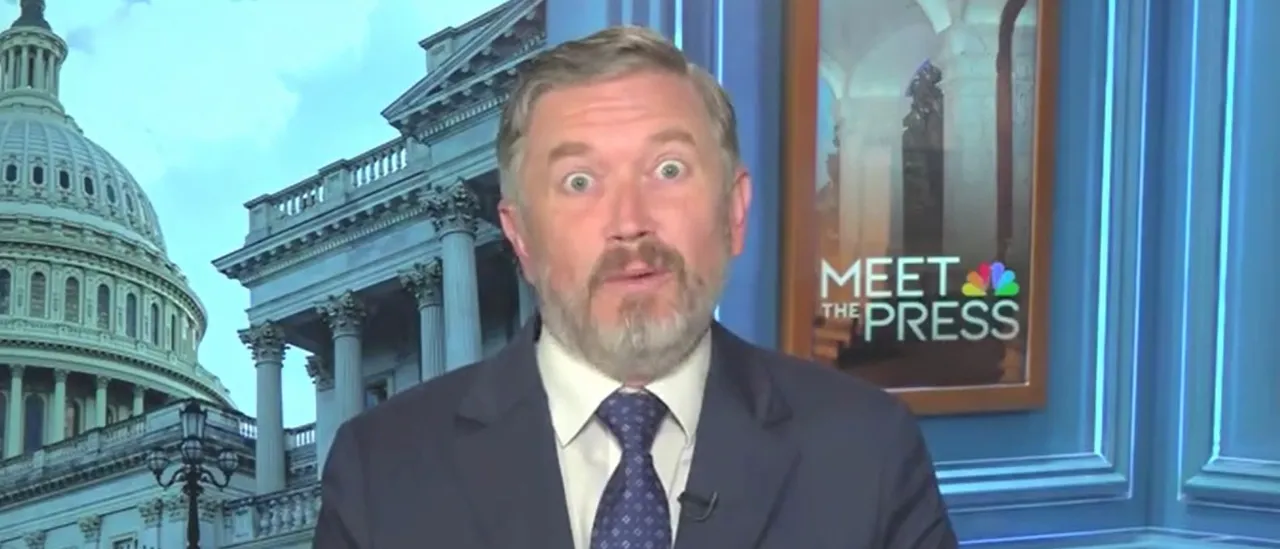
Massie Says Epstein Files Push Triggered 'Swamp' Retaliation
Intra-Party Split Detected
Massie received 45% of GOP primary vote despite Trump opposition, suggesting significant Republican support for his anti-establishment positions on foreign wars, deficit spending, and bipartisan cooperation
Left says
- •Massie's bipartisan work with Democratic Rep. Ro Khanna on the Epstein files demonstrates the potential for cross-party cooperation on issues of government transparency and accountability
- •His defeat represents the triumph of partisan politics over principled governance, as establishment forces mobilized to eliminate a legislator willing to work across the aisle
- •The heavy spending by pro-Trump and pro-Israel groups against Massie shows how special interests can overwhelm grassroots democracy when politicians challenge the status quo
Right says
- •Massie's consistent opposition to Trump's agenda, including tariffs and foreign policy positions, made him an obstacle to unified Republican governance
- •His 45% vote share despite intense opposition demonstrates that his libertarian principles retain significant support among conservative voters who value fiscal responsibility and non-interventionism
- •Trump's successful backing of Gallrein shows the president's continued influence in Republican primaries and ability to hold party members accountable for disloyalty
- •Massie's warnings about alienating key Trump coalition groups like fiscal hawks and anti-war voters reflect legitimate concerns about maintaining the Republican base
Common Take
High Consensus- The Epstein Files Transparency Act passed the House with overwhelming bipartisan support, receiving just one 'no' vote
- Massie accepted his primary defeat gracefully, explicitly rejecting claims of voter fraud or election irregularities
- Government transparency regarding the Epstein case enjoys broad public support across party lines
- Primary elections remain the legitimate mechanism for voters to choose their preferred candidates within each party
The Arguments
Left argues
Massie's bipartisan collaboration with Democratic Rep. Ro Khanna on the Epstein Files Transparency Act demonstrates exactly the kind of principled, cross-party cooperation that voters claim to want, yet establishment forces mobilized massive spending to eliminate him for this effectiveness.
Right counters
Massie's consistent opposition to core Trump agenda items like tariffs and foreign policy positions made him an obstacle to unified Republican governance that voters elected Trump to implement, not a principled bipartisan leader.
Right argues
Trump's successful backing of Gallrein demonstrates the president's continued influence in holding party members accountable for disloyalty, while Massie's 45% vote share despite intense opposition shows his libertarian principles still have significant conservative support.
Left counters
The heavy spending by pro-Trump and pro-Israel groups against Massie shows how special interests can overwhelm grassroots democracy when politicians dare to challenge the status quo on transparency and accountability.
Left argues
Massie's defeat represents the triumph of partisan politics over principled governance, as he was targeted specifically for showing that 'somebody on the right could join somebody on the left and get something done' that the American people actually wanted.
Right counters
Massie's breaks with Trump weren't about principled bipartisanship but about consistently opposing the agenda that Republican voters elected their representatives to support, making his primary loss a legitimate expression of voter preferences.
Right argues
Massie's warnings about alienating fiscal hawks, anti-war voters, and MAHA supporters reflect legitimate concerns about maintaining the diverse Trump coalition that delivered Republican victories.
Left counters
These warnings ring hollow when Massie himself was eliminated for representing exactly those principled positions, showing that the party prioritizes loyalty over the substantive policy concerns of its own base.
Challenge Questions
These questions target genuine internal contradictions — meant to provoke honest reflection.
Right asks Left
“If bipartisan cooperation and government transparency are truly the highest values, why didn't Massie's collaboration with Democrats on the Epstein files translate into broader legislative effectiveness or voter support for his other positions?”
Left asks Right
“If Trump's influence and party unity are paramount, how do you reconcile eliminating a representative who secured 45% support while warning that alienating fiscal hawks and anti-war voters could cost the party in November?”
Outlier Report
Left Fringe
Progressive activists like Glenn Greenwald and some anti-establishment Democrats who view Massie as a rare principled Republican willing to challenge power structures. Represents roughly 15% of the left who prioritize anti-establishment positions over partisan loyalty.
Right Fringe
Libertarian purists and Ron Paul supporters who see Massie as a martyr for constitutional principles, along with some anti-Trump Republicans who view his defeat as evidence of authoritarian tendencies. Represents about 20% of the right who prioritize ideological consistency over party unity.
Noise Assessment
Moderate noise level - the story generates genuine debate about transparency vs. party loyalty, but much online discussion amplifies the 'deep state' angle beyond typical voter concerns about primary politics.
Sources (3)
'I was becoming effective'
Rep. Thomas Massie (R-Ky.) said he won’t be asking for a recount and dismissed theories of possible voter tampering after his loss in the Kentucky GOP primary to President Trump-backed GOP candidate Ed Gallrein. “I do not believe I lost due to fraudulent votes, mail-in ballots, hacking, or mistabulated results,” Massie wrote on social media…
Rep. Thomas Massie has no regrets about breaking with President Trump on key issues and losing Kentucky's Republican primary to the president's hand-picked challenger.