Oil Giants Rake in Billions While Americans Skip Classes Over Gas Prices
Left says
- •Oil companies are exploiting a humanitarian crisis to maximize profits while ordinary Americans suffer financial hardship from unaffordable gas prices
- •Students like Melissa Miles are forced to skip classes because they cannot afford the commute, demonstrating how corporate greed directly harms educational opportunities
- •Major oil companies refuse to increase production despite record profits, prioritizing shareholder returns over providing relief to struggling consumers
- •The disconnect between falling crude oil prices and rising gas prices shows companies are manipulating markets at consumers' expense
Right says
- •Oil companies are operating in a volatile global market disrupted by geopolitical conflict, with profits reflecting legitimate business responses to supply constraints
- •Higher gas prices result from Iran's closure of the Strait of Hormuz, which carries 20% of global oil supplies, not corporate manipulation
- •Oil companies maintain production discipline based on sound business practices and investor expectations, avoiding boom-bust cycles that historically led to market instability
- •Energy companies are working with governments to address supply needs while prioritizing worker safety in an unprecedented crisis
Common Take
High Consensus- Gas prices have risen over $1.50 per gallon since the Iran conflict began, reaching the highest levels since July 2022
- The Strait of Hormuz closure has significantly disrupted global oil and natural gas supplies
- American families are facing real financial hardship from higher fuel costs that affect daily decisions about transportation and spending
- Oil company profits have increased substantially during this period of market volatility
The Arguments
Left argues
Oil companies are exploiting a crisis for profit while Americans like Melissa Miles skip classes because they can't afford gas, demonstrating how corporate greed directly harms educational opportunities and basic needs.
Right counters
Companies are responding to legitimate supply constraints from Iran's closure of the Strait of Hormuz, which carries 20% of global oil supplies, while prioritizing worker safety and maintaining production discipline to avoid market instability.
Right argues
Oil companies maintain production discipline based on sound business practices and investor expectations, avoiding the boom-bust cycles that historically led to market crashes and job losses in the energy sector.
Left counters
This 'discipline' means prioritizing shareholder returns over providing relief to struggling consumers, with companies refusing to increase production despite record profits and clear public need.
Left argues
The disconnect between falling crude oil prices and rising gas prices shows companies are manipulating markets at consumers' expense, with fuel costs climbing even as oil prices dropped 6% on hopes for a U.S.-Iran agreement.
Right counters
Gas prices reflect complex refining margins, transportation costs, and supply chain disruptions that don't immediately track crude prices, especially during unprecedented geopolitical crises affecting global energy infrastructure.
Right argues
Energy companies are working with governments to address supply needs while operating in volatile markets disrupted by geopolitical conflict, with oil trading profits reflecting legitimate responses to unprecedented market conditions.
Left counters
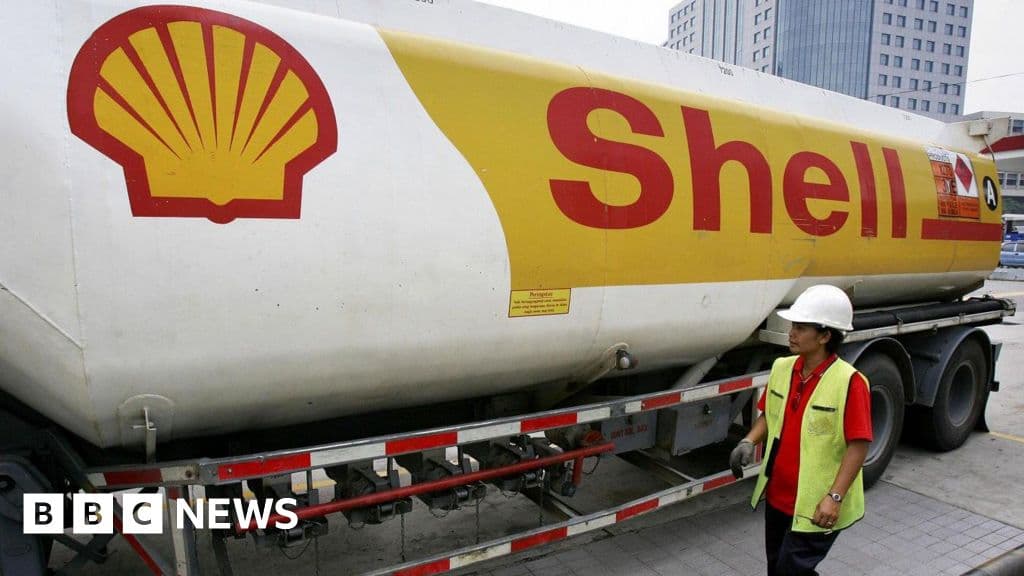
These 'legitimate responses' result in companies like Shell seeing profits jump nearly 25% while ordinary Americans face impossible choices between basic necessities and transportation to work or school.
Challenge Questions
These questions target genuine internal contradictions — meant to provoke honest reflection.
Right asks Left
“If oil companies immediately ramped up production every time prices spiked, wouldn't this create the same boom-bust cycles that led to massive layoffs and economic instability in oil-dependent communities during previous market crashes?”
Left asks Right
“If companies are truly responding to legitimate market forces, why are they maintaining production discipline and prioritizing shareholder returns when they could both increase profits and provide consumer relief by expanding output during this supply crisis?”
Outlier Report
Left Fringe
Progressive figures like Alexandria Ocasio-Cortez and Bernie Sanders who call for nationalizing oil companies or immediate price controls represent about 15-20% of the left coalition.
Right Fringe
Libertarian-leaning conservatives like Rand Paul who oppose any government intervention in oil markets, even during crises, represent about 10-15% of the right coalition.
Noise Assessment
Moderate noise level - while partisan media amplifies extreme positions, the core issue of gas prices affecting family budgets generates genuine grassroots concern that transcends typical political theater.
Sources (8)
The energy giant's profits jump by nearly a quarter as it benefits from the recent volatility in the oil price
Americans on tight budgets are getting hit especially hard by surging fuel costs, forcing some to make hard choices.
Gas prices are now 52% higher than prior to the Iran war, with drivers paying $1.56 more per gallon, data shows.
Plus, the conflicting messages on the state of the war.
The war in Iran has pushed global oil prices higher, which boosts oil company revenues. But major U.S. oil companies aren't signaling plans to increase production to bring down prices at the pump.
Airline fuel costs went up 56 percent in March, according to the Department of Transportation (DOT) — a sharp spike in the first full month after the outbreak of the Iran war. In a Wednesday release, the DOT’s Bureau of Transportation Statistics (BTS) said that U.S. scheduled service airlines’ total fuel expenditure was $5.06 billion…
Oil prices plunged around midday Wednesday as reports emerged that the U.S. and Iran are nearing an agreement on a one-page memorandum that could result in the reopening of the Strait of Hormuz.  The international benchmark, Brent crude oil, reached $101.75 at 11 a.m. EDT while West Texas Intermediate hit $95.60, according to Reuters.  Stock…
The average price of gasoline in the U.S. reached $4.53 per gallon on Wednesday, according to AAA, an increase of 31 cents in a week and of 50 percent since the U.S. and Israel began their war against Iran. Iran has responded to the military operations by closing the Strait of Hormuz, a crucial oil…