Oil prices surge as Iran rejects Trump peace proposal
Left says
- •Trump's aggressive military approach has escalated tensions and made diplomatic resolution more difficult
- •Iran's demands for sovereignty over the Strait of Hormuz reflect legitimate concerns about foreign interference in their regional waters
- •The humanitarian and economic costs of prolonged conflict disproportionately harm ordinary citizens while benefiting defense contractors and oil companies
- •Diplomatic engagement and compromise, rather than threats of military defeat, offer the only sustainable path to peace
Right says
- •Iran's rejection of peace talks demonstrates the regime's unwillingness to engage in good-faith negotiations despite clear military disadvantage
- •Iran's demand for control over the Strait of Hormuz represents an unacceptable threat to global energy security and free navigation
- •Strong military pressure is necessary to bring Iran to the negotiating table and prevent further regional aggression
- •The US must maintain firm resolve to protect allies and global oil supplies from Iranian disruption
Common Take
High Consensus- Oil prices above $100 per barrel create significant economic hardship for consumers and businesses worldwide
- The Strait of Hormuz blockade has created a global energy supply crisis affecting multiple countries
- A prolonged conflict risks triggering a global recession if oil reaches $150 per barrel
- Both diplomatic resolution and energy security are important goals that require careful balance
The Arguments
Right argues
Iran's demand for sovereign control over the Strait of Hormuz threatens global energy security, as this waterway carries 20% of the world's oil and gas, and their current blockade is already forcing emergency measures across Asia and threatening European shortages.
Left counters
Iran's assertion of sovereignty over waters in their region reflects legitimate concerns about foreign military presence, and the current crisis stems from the initial US-Israeli attacks on February 28th rather than unprovoked Iranian aggression.
Left argues
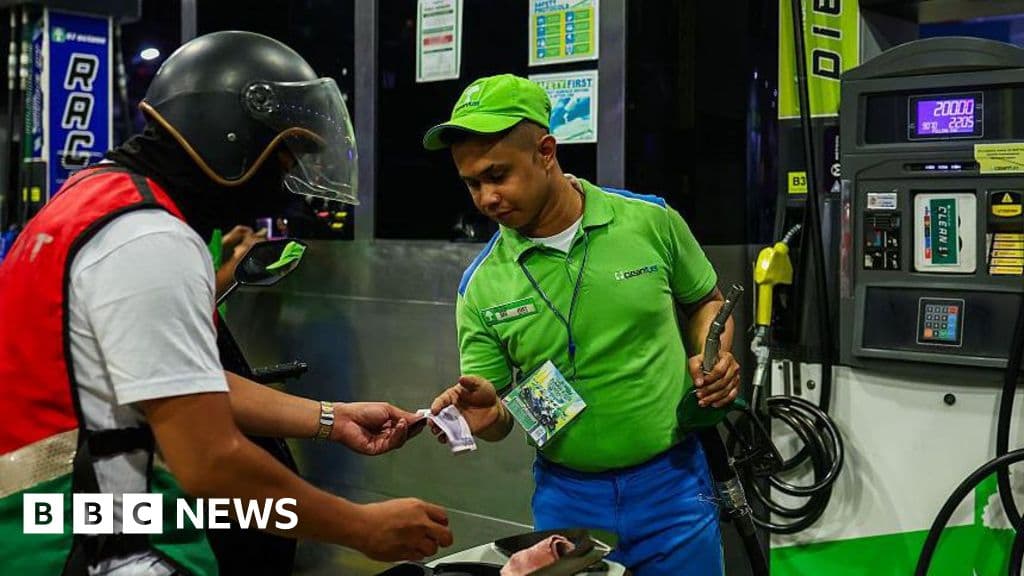
The humanitarian and economic costs of this conflict are devastating ordinary citizens globally, with countries like the Philippines declaring emergencies due to oil dependence, while prolonged military pressure only escalates tensions rather than creating conditions for sustainable peace.
Right counters
Military pressure is precisely what brought Iran to even discuss negotiations, as evidenced by the White House's assertion that attacks are working to convince the regime to negotiate, and weakness now would only embolden further Iranian regional aggression.
Right argues
Iran's rejection of peace talks despite clear military disadvantage demonstrates the regime's bad faith and unwillingness to engage in serious diplomacy, requiring continued firm resolve to protect allies and global oil supplies.
Left counters
Trump's aggressive military approach has created the very escalation that makes diplomatic resolution more difficult, and Iran's negotiating position reflects defensive responses to foreign interference rather than inherent unwillingness to compromise.
Left argues
The current crisis benefits defense contractors and oil companies while ordinary citizens bear the costs, with experts warning that oil prices hitting $150 could trigger a global recession, making diplomatic engagement the only responsible path forward.
Right counters
Allowing Iran to control critical global shipping lanes would create permanent economic vulnerability and embolden other hostile regimes, making short-term economic costs necessary to prevent far greater long-term threats to global stability.
Challenge Questions
These questions target genuine internal contradictions — meant to provoke honest reflection.
Right asks Left
“If diplomatic engagement is the preferred approach, how do you reconcile advocating for compromise with Iran's current blockade of international waters that is causing humanitarian emergencies in oil-dependent nations like the Philippines?”
Left asks Right
“If military pressure is necessary to bring Iran to negotiations, why has the escalation since February 28th resulted in Iran making more extreme demands for Strait of Hormuz control rather than more reasonable negotiating positions?”
Outlier Report
Left Fringe
Anti-war activists like CodePink's Medea Benjamin and some progressive House members like Rashida Tlaib who might call for immediate withdrawal regardless of strategic consequences. Represents roughly 15-20% of the left coalition.
Right Fringe
Hawks like Senator Tom Cotton or John Bolton who might advocate for regime change rather than just securing shipping lanes. Represents about 25-30% of the right coalition.
Noise Assessment
Moderate noise level - most discourse reflects genuine public concern about gas prices and energy security rather than performative positioning, though some amplification occurs around military intervention debates.
Sources (1)
Crude rose back above $100 a barrel as the US and Iran clashed over bringing the conflict to an end.