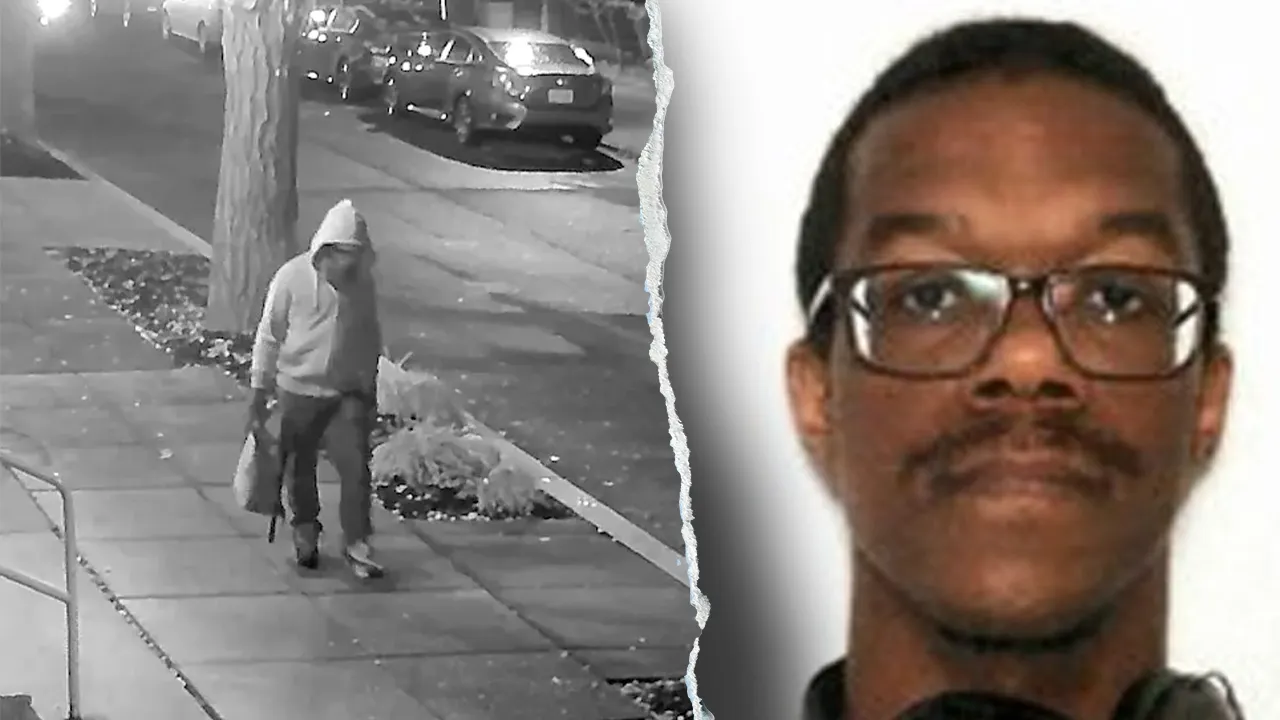
Pipe bomb suspect claims Trump's Jan. 6 pardons cover him
Left says
- •The pipe bomb case represents a serious violent crime that endangered lives and should not be conflated with the largely peaceful protest activities covered by the pardons
- •Allowing violent actors to escape accountability through broad pardon language would set a dangerous precedent that undermines the rule of law
- •The bombs were planted the day before January 6th as part of a separate criminal conspiracy, not during the Capitol events themselves
Right says
- •The government's own case documents explicitly connect Cole's alleged actions to January 6th events, making the pardon language directly applicable
- •Trump's pardon was intentionally broad to cover all conduct related to the January 6th timeframe, not just activities inside the Capitol building
- •The Justice Department previously argued the pipe bombs were integral to the January 6th security crisis, establishing the necessary connection for pardon coverage
Common Take
High Consensus- Brian Cole Jr. has pleaded not guilty to charges of interstate transportation of explosives and malicious attempt to use explosives
- The pipe bombs were planted on January 5, 2021, and discovered on January 6, 2021, outside the RNC and DNC headquarters
- Trump issued sweeping pardons for approximately 1,500 January 6th defendants on his first day back in office
- The legal question centers on whether the pardon language covers conduct that occurred before but was related to January 6th events
The Arguments
Right argues
The Justice Department's own case documents explicitly connect Cole's alleged pipe bomb placement to January 6th events, describing the timing and location as integral to the Capitol security crisis and noting that Cole traveled to D.C. to attend an election-related protest.
Left counters
The bombs were planted on January 5th as part of a separate criminal conspiracy involving interstate transportation of explosives, which constitutes distinct violent crimes that occurred before and independently of the Capitol protest activities.
Left argues
Allowing violent actors who planted viable explosive devices to escape accountability through broad pardon language would set a dangerous precedent that undermines the rule of law and conflates serious violent crimes with peaceful protest activities.
Right counters
Trump's pardon was intentionally comprehensive, covering all conduct 'related to events' at or near the Capitol on January 6th, and the government itself has argued these bombs were integral to the January 6th security situation, establishing the necessary legal connection.
Left argues
The pipe bomb case represents fundamentally different criminal conduct - premeditated placement of explosive devices that endangered lives - which should not be conflated with the largely peaceful protest activities that the pardons were intended to cover.
Right counters
The pardon's plain language applies to 'all individuals convicted of offenses related to events' near the Capitol on January 6th, and courts have previously interpreted similar broad pardon language expansively rather than limiting it to specific types of conduct.
Right argues
The government's own narrative 'inextricably tethers' Cole's actions to January 6th by arguing the bombs were planted because of what was scheduled to occur at the Capitol the next day, making this exactly the kind of case the broad pardon language was designed to reach.
Left counters
The suspect himself initially denied to FBI agents that his actions were related to the January 6th proceedings, and the interstate transportation and attempted use of explosives constitute separate federal crimes with their own distinct elements and victims.
Challenge Questions
These questions target genuine internal contradictions — meant to provoke honest reflection.
Right asks Left
“If the Justice Department successfully argued that the pipe bombs were integral to the January 6th security crisis and used this connection to justify their investigation and prosecution, how can you now argue that the same connection is insufficient to bring the case within the scope of January 6th-related pardons?”
Left asks Right
“If Trump intended his pardons to be truly comprehensive and heal national divisions, why would he want to exclude someone whose alleged crimes the government itself has characterized as fundamentally connected to January 6th, especially when this creates a precedent for prosecutors to selectively define what constitutes 'related' conduct?”
Outlier Report
Left Fringe
Unable to identify specific left-wing figures taking extreme positions due to absence of left-leaning source coverage in available data.
Right Fringe
Unable to identify specific right-wing figures taking extreme positions, though the defense attorneys Mario Williams and John Shoreman represent the most aggressive pro-pardon stance, likely representing less than 5% of conservative opinion given the pipe bombing context.
Noise Assessment
Low noise ratio - this appears to be primarily factual legal reporting rather than performative political discourse, with coverage focused on the technical legal arguments rather than partisan positioning.
Sources (5)
Accused pipe bomber seeks dismissal under Trump's Jan. 6 pardons, claiming explosive devices planted at RNC and DNC qualify for presidential clemency.
Defendant Brian Cole, Jr. pleaded not guilty in January to the charges of 2020 interstate transportation of explosives and malicious attempt to use explosives, following his December 2025 arrest.
President Donald Trump's sweeping act of clemency for protesters who stormed the U.S. Capitol also should apply to a man charged with planting pipe bombs near the national headquarters of the Democrat and Republican parties...
The man accused of planting two pipe bombs outside the Democratic and Republican national committee offices on the eve of the Jan. 6, 2021, Capitol attack says the sweeping clemency President Trump bestowed on rioters extends to his alleged conduct. Lawyers for Brian Cole Jr. said in a Monday motion that the suspect maintains his innocence — but…