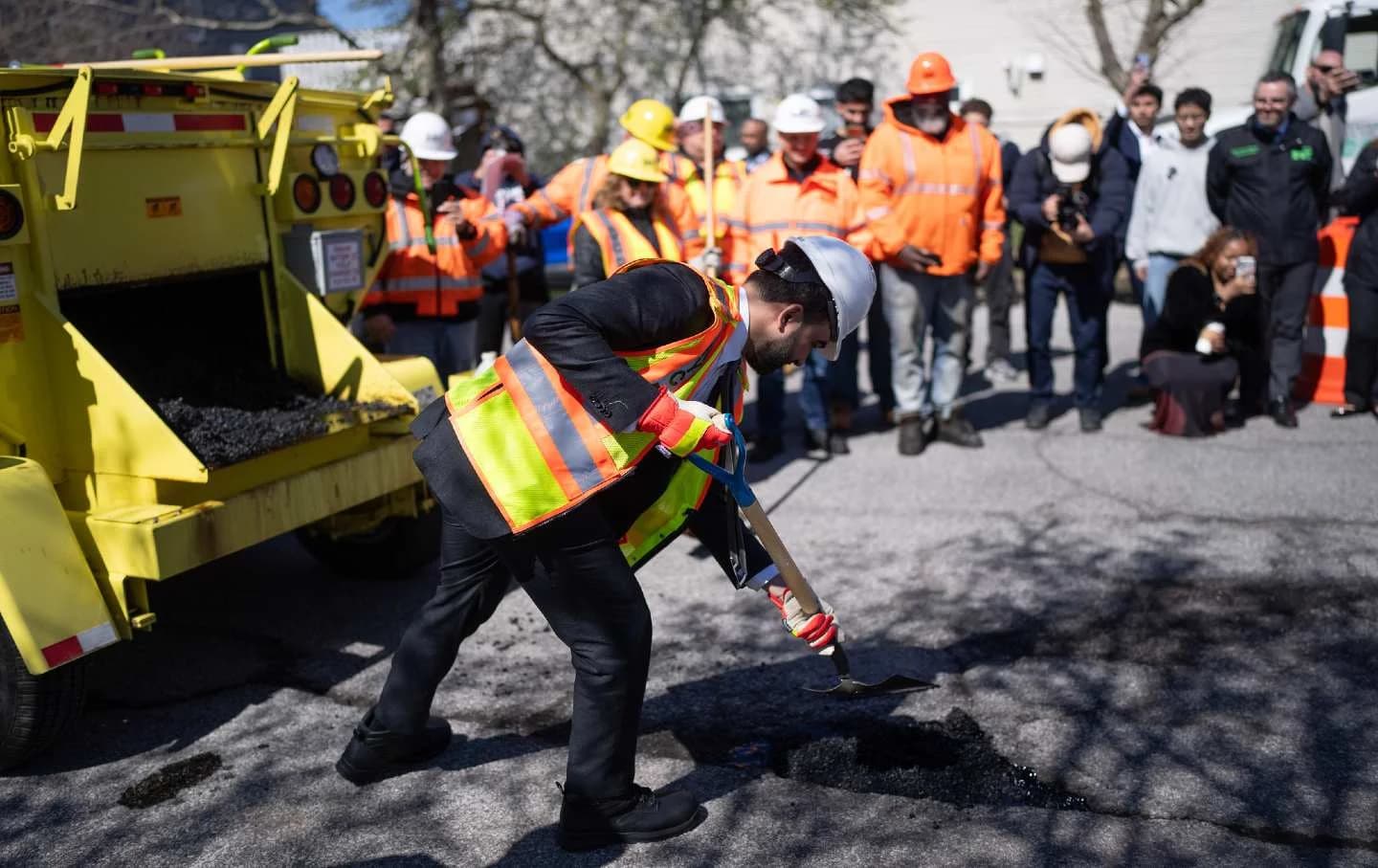
Socialist Mayor Mamdani's Racial Equity Plan Sparks Vision Clash
Left says
- •New York's history of colonization, slavery, and systemic racism created deep structural inequities that require comprehensive government intervention to address
- •The racial equity plan represents necessary public investment to heal centuries of harm and create opportunities for communities of color who were historically excluded from programs like the GI Bill and public housing
- •Mamdani's approach tackles both immediate quality-of-life issues like potholes and fundamental systemic problems, demonstrating government's capacity to improve lives across all areas
- •The plan correctly identifies how racism undermined public programs for everyone, making the case that racial equity benefits all New Yorkers
Right says
- •Mamdani is making unrealistic promises about problems he lacks the authority and resources to solve as mayor
- •The 375-page racial equity plan represents an overly ideological approach that emphasizes America's flaws rather than building faith in the country's institutions and progress
- •Focusing extensively on historical grievances and systemic racism may divide rather than unite New Yorkers around practical solutions
- •The mayor's socialist agenda and sweeping government intervention approach conflicts with proven market-based solutions for economic growth and opportunity
Common Take
High Consensus- Mamdani has delivered tangible improvements in basic city services, filling 100,000 potholes and reducing rat sightings by 30 percent
- New York City faces significant challenges that require sustained attention and resources to address effectively
- Both perspectives acknowledge America's 250th anniversary as a moment for reflection on the country's direction
- Quality-of-life issues like infrastructure maintenance and public safety matter deeply to all New Yorkers regardless of political affiliation
The Arguments
Left argues
Centuries of systemic racism created deep structural inequities that require comprehensive government intervention, as evidenced by how Black Americans were excluded from transformative programs like the GI Bill and public housing that built middle-class wealth for white families. The racial equity plan addresses both immediate quality-of-life issues and fundamental systemic problems, demonstrating that government can effectively improve lives across all areas.
Right counters
A 375-page plan promising to solve centuries-old problems represents unrealistic expectations about what a mayor can actually accomplish with limited authority and resources. This overly ambitious approach may create disappointment and cynicism when sweeping promises inevitably fall short of transformative change.
Right argues
Focusing extensively on historical grievances and America's flaws may divide rather than unite New Yorkers around practical solutions, undermining faith in the country's institutions and progress. Market-based solutions have proven more effective than sweeping government intervention for creating economic growth and opportunity.
Left counters
Acknowledging historical harms is essential for understanding current inequities and building genuine unity based on truth rather than denial. The plan correctly identifies how racism undermined public programs for everyone, making the case that racial equity benefits all New Yorkers by restoring faith in effective government.
Right argues
Mamdani's socialist agenda represents an ideological approach that conflicts with proven economic principles, promising solutions to problems beyond mayoral authority while potentially discouraging the private investment and entrepreneurship that actually drive urban prosperity. The emphasis on systemic oppression may alienate moderate voters and business leaders essential for the city's success.
Left counters
The plan demonstrates practical governance by addressing everything from potholes to structural racism, showing that comprehensive public investment can tackle both immediate needs and long-term challenges. Historical exclusion from wealth-building programs created current inequities that only intentional government action can remedy.
Left argues
The racial equity plan represents necessary public investment to heal centuries of harm and create opportunities for communities systematically excluded from wealth-building programs. As the deputy mayor noted, racism taught people to resent government programs instead of expanding them, resulting in worse outcomes for everyone.
Right counters
This approach risks creating unrealistic expectations about government's capacity to solve complex social problems while potentially fostering resentment among groups who feel their concerns are being overlooked in favor of identity-based policies. Effective governance requires building broad coalitions rather than emphasizing historical divisions.
Challenge Questions
These questions target genuine internal contradictions — meant to provoke honest reflection.
Right asks Left
“If systemic racism is as deeply embedded as the plan suggests, how can a mayor with limited authority over federal policy, private markets, and state institutions realistically deliver the transformative change promised, and what happens to public trust when these sweeping commitments inevitably fall short?”
Left asks Right
“If market-based solutions and institutional faith are the answer, how do you explain the persistent racial wealth gaps and segregation that have persisted despite decades of economic growth, and why shouldn't government actively address inequities that government policies historically created?”
Outlier Report
Left Fringe
Democratic Socialists of America activists and progressive academics who view Mamdani's approach as insufficiently radical, representing about 15% of the left coalition.
Right Fringe
White nationalist commentators like Nick Fuentes who oppose any racial equity measures whatsoever, representing about 8% of the right coalition.
Noise Assessment
Moderate noise level - the 'socialist mayor' framing amplifies partisan reactions, but the underlying debate about government's role in addressing racial inequality reflects genuine public disagreement rather than manufactured controversy.
Sources (5)
How he uses it will set the terms for left-wing populism
Donald Trump is not the only politician nostalgic for a different America
A few reasons to be relaxed about the plans of the Democratic front-runner to be New York’s mayor
<p>D.D. Guttenplan</p> <div><img alt="" src="https://www.thenation.com/wp-content/uploads/2026/04/MamdaniPothole-275x173.jpg" /></div> <div> <div class="wp-block-the-nation-dek article-title__dek"> <p>The New York mayor wants to tackle everything from potholes to systemic racism. </p> </div> </div> <p>The post <a href="https://www.thenation.com/article/politics/zohran-mamdani-new-york-politics-inequality/">How Mamdani Presides Over a Fix-Everything Agenda</a> appeared first on <a href="https://www.thenation.com">The Nation</a>.</p>
<p>For contrast, the timing couldn’t have been better. Two of the most prominent New Yorkers this week released documents outlining starkly different visions of America’s future and perceptions of its past. </p> <p>After reading New York City’s 375-page “Preliminary Racial Equity Plan” issued by the city’s 34-year-old socialist mayor, Zohran Mamdani, and then reading the 48-page annual shareholder letter from the 70-year-old CEO of JPMorgan Chase, Jamie Dimon, it’s hard to believe that the two men are describing the same planet, let alone the same country and city.</p> <p>The post <a href="https://freebeacon.com/america/mamdani-dimon-offer-clashing-visions-of-new-york-city-and-america-at-250/">Mamdani, Dimon Offer Clashing Visions of New York City—And America at 250</a> appeared first on <a href="https://freebeacon.com"></a>.</p>