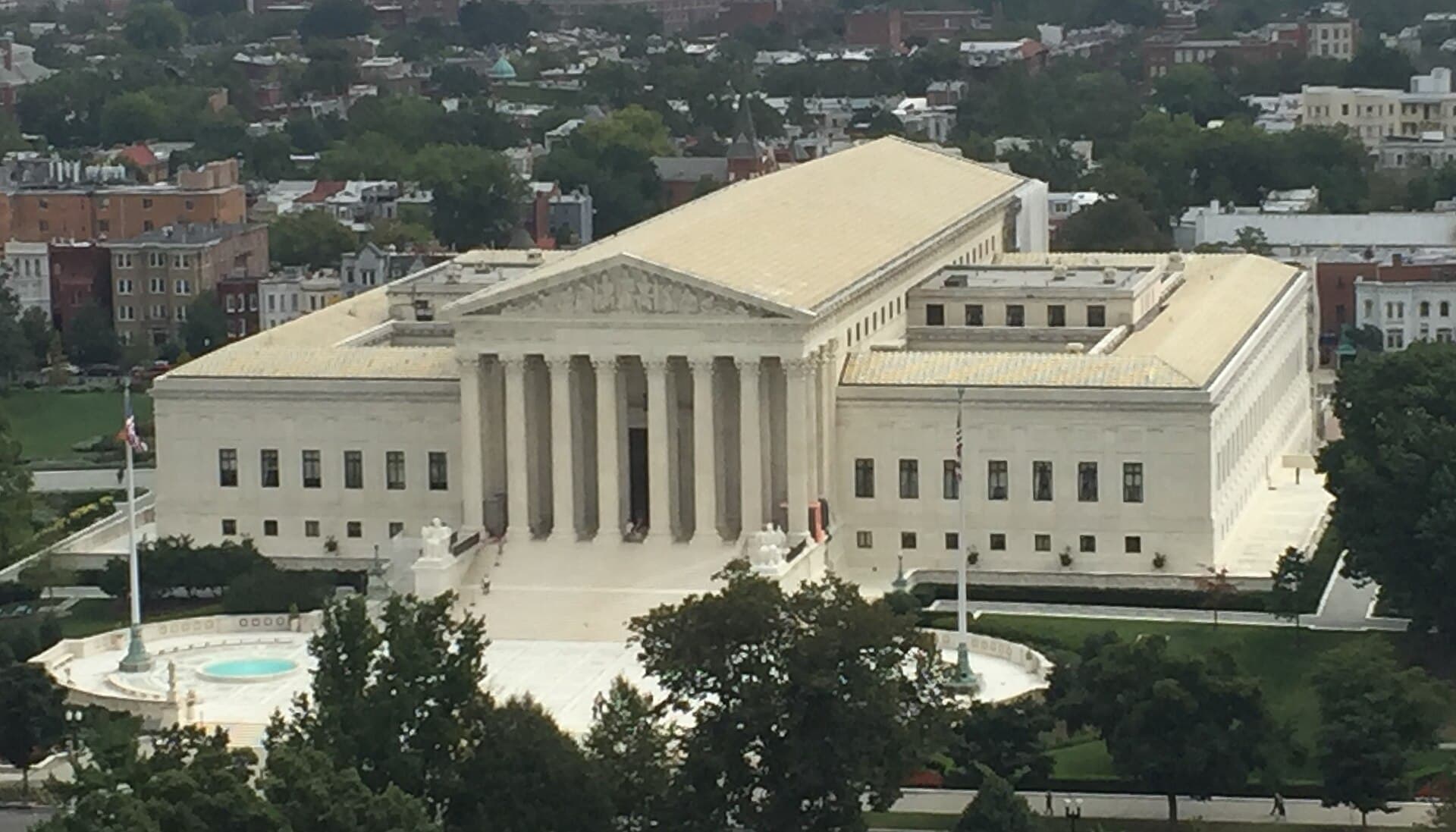
Supreme Court Allows Alabama Map That Reduces Black Representation
Left says
- •The Supreme Court's conservative majority is systematically dismantling voting rights protections for Black Americans, allowing intentional racial discrimination in redistricting
- •Alabama's legislature deliberately defied previous court orders to create fair representation, showing clear bad faith that the Supreme Court chose to ignore
- •The decision reduces Black political power from 27% of the population having influence in two districts to just one, undermining decades of civil rights progress
- •The Court used an unsigned shadow docket ruling to make this major change without full briefing or transparency, avoiding accountability for partisan gerrymandering
Right says
- •The Supreme Court correctly prevented a rogue lower court from interfering with Alabama's legitimate redistricting process and upcoming elections
- •The decision follows proper legal precedent established in Louisiana v. Callais, which curtailed unconstitutional race-based redistricting practices
- •States have the constitutional authority to draw their own congressional maps through elected representatives without federal judicial micromanagement
- •The lower court failed to apply the presumption of legislative good faith and proper legal standards when evaluating the redistricting plan
Common Take
High Consensus- The Supreme Court ruled 6-3 to allow Alabama to use its 2023 congressional map for the 2026 elections
- The decision will likely result in Republicans gaining one additional House seat in Alabama's 2nd Congressional District
- The ruling reduces the number of majority-Black congressional districts in Alabama from two to one
- The case involves complex questions about the intersection of voting rights law and state redistricting authority
The Arguments
Right argues
The Supreme Court correctly applied its recent Louisiana v. Callais precedent, which established that race-based redistricting violates constitutional principles and that courts must presume legislative good faith when evaluating redistricting plans.
Left counters
The lower court found clear evidence that Alabama's legislature acted in bad faith by deliberately defying previous court orders to create fair representation, making the presumption of good faith inappropriate in this specific case.
Left argues
Alabama's map reduces Black political representation from 27% of the population having meaningful influence in two districts to just one, systematically undermining decades of voting rights protections through intentional racial discrimination.
Right counters
States have constitutional authority to draw their own congressional maps through elected representatives, and the Voting Rights Act was never intended to guarantee proportional representation based on racial demographics.
Left argues
The Court used an unsigned shadow docket ruling to make this major voting rights decision without full briefing, oral arguments, or transparency, avoiding accountability for what amounts to partisan gerrymandering that benefits Republicans.
Right counters
Emergency relief was appropriate to prevent a rogue lower court from interfering with Alabama's imminent 2026 elections, and the decision follows established legal precedent rather than partisan considerations.
Right argues
Federal courts should not engage in judicial micromanagement of state redistricting processes, especially when doing so would disrupt upcoming elections and override the democratic choices of elected state representatives.
Left counters
Federal judicial oversight is essential to protect constitutional voting rights when state legislatures engage in intentional racial discrimination, which is exactly what multiple courts found Alabama did here.
Left argues
The decision represents a systematic dismantling of voting rights protections, with the conservative majority consistently ruling in ways that reduce Black political power across multiple states and cases.
Right counters
The Court is simply enforcing constitutional principles that prohibit race-based government action, ensuring that redistricting follows colorblind legal standards rather than racial quotas.
Challenge Questions
These questions target genuine internal contradictions — meant to provoke honest reflection.
Right asks Left
“If the principle of federal judicial oversight of voting rights is so important, why should courts be able to override the democratic will of elected state representatives based on subjective interpretations of legislative intent, especially when this creates uncertainty so close to elections?”
Left asks Right
“If the Court truly believes in applying law consistently rather than partisan outcomes, how do you explain the inconsistency between this decision and the Court's own previous orders in this very case, as well as the departure from legal standards the same justices articulated just weeks earlier?”
Outlier Report
Left Fringe
Progressive activists like Stacey Abrams and groups like Fair Fight who frame this as part of a broader 'Jim Crow 2.0' narrative, representing about 25% of the left with more inflammatory rhetoric about systematic disenfranchisement.
Right Fringe
Hard-right figures like Steve Bannon and some America First commentators who celebrate this as 'taking back control' from federal overreach, representing about 20% of the right with more explicitly partisan celebration.
Noise Assessment
Moderate noise level - while partisan media amplifies the stakes, the core issue of voting rights vs. federalism genuinely divides public opinion along predictable ideological lines.
Sources (6)
<img alt="Supreme Court building." class="webfeedsFeaturedVisual wp-post-image" src="https://thefederalist.com/wp-content/uploads/2026/06/SCOTUS-1-1200x675.jpg" style="display: block; margin: auto; margin-bottom: 5px;" />'Here, the District Court interposed itself into Alabama’s ongoing efforts to conduct its imminent 2026 congressional elections under maps that its elected representatives selected.'
<p>Alabama's 2nd Congressional District, currently represented by Democratic Rep. Shomari Figures, is now widely viewed as a likely Republican pickup.</p> The post <a href="https://legalinsurrection.com/2026/06/scotus-allows-alabama-congressional-map-likely-to-net-gop-house-seat/">SCOTUS Allows Alabama Congressional Map Likely to Net GOP House Seat</a> first appeared on <a href="https://legalinsurrection.com">Le·gal In·sur·rec·tion</a>.
For the second time in three weeks, the Roberts Court on Tuesday night green-lit an Alabama congressional map that a lower court has repeatedly found intentionally discriminates against Black voters. The ruling is another stark example of how far the Supreme Court’s Republican-appointed majority will go to give their party additional seats in Congress and […]
Justice Sotomayor calls out the high court’s right wing for gutting voting rights and throwing Alabama’s midterms into disarray.
Louisiana v Callais is baleful for democracy
Here’s a familiar story. On Tuesday night, the Supreme Court handed down a decision that will almost certainly give the Republican Party an additional seat in the US House of Representatives. Not all of the justices disclosed how they voted, but the decision appears to have come down 6-3 along partisan lines — that is, […]