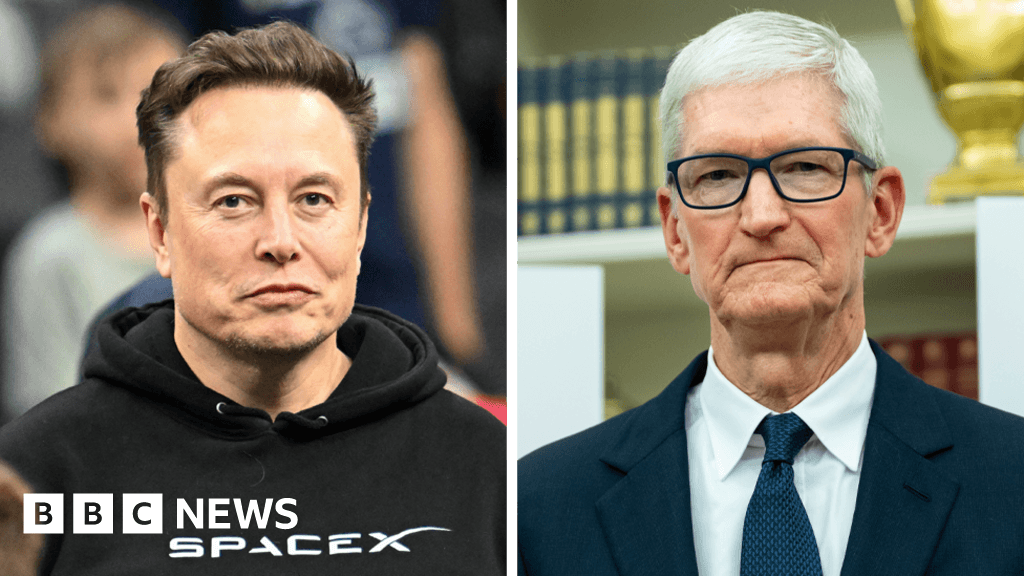
Trump Brings Tech CEOs Including Musk to High-Stakes China Summit
Left says
- •Corporate influence in foreign policy undermines democratic governance by allowing business interests to shape diplomatic strategy rather than public interest
- •The delegation signals a transactional approach to China relations that prioritizes trade deals over human rights concerns and strategic competition
- •Tech executives with significant Chinese business interests may compromise America's negotiating position on critical issues like AI regulation and data security
Right says
- •Business leaders provide essential expertise and economic leverage in negotiations with America's largest trading partner and strategic competitor
- •The high-profile delegation demonstrates American economic strength and unity between government and private sector in confronting China
- •Including major CEOs creates opportunities for substantial trade agreements that benefit American workers and companies while reducing economic dependence on China
Common Take
High Consensus- Seventeen major American business executives will accompany Trump to meet with Chinese President Xi Jinping
- The summit addresses critical economic and technological tensions between the world's two largest economies
- Notable absences include Nvidia CEO Jensen Huang despite his company's central role in AI and chip competition with China
- The meeting represents a significant diplomatic moment requiring careful balance of economic and security interests
The Arguments
Right argues
Including major CEOs provides essential economic expertise and demonstrates American unity between government and private sector, creating leverage for substantial trade agreements that could benefit American workers and reduce economic dependence on China.
Left counters
These executives have significant financial interests in China that may compromise their ability to advocate for broader American interests, particularly on sensitive issues like human rights, data security, and strategic competition where tough stances could hurt their business prospects.
Left argues
Corporate influence in foreign policy undermines democratic governance by allowing business interests to shape diplomatic strategy rather than public interest, potentially prioritizing profitable trade deals over critical national security concerns.
Right counters
Business leaders bring irreplaceable expertise about economic realities and market dynamics that government officials lack, and their participation ensures that any agreements made are actually implementable and beneficial to the American economy.
Left argues
The delegation signals a transactional approach that prioritizes short-term economic gains over long-term strategic competition with China, potentially weakening America's position on AI regulation, technology transfer, and human rights concerns.
Right counters
Economic engagement from a position of strength is itself a strategic tool that can create dependencies and leverage, while the high-profile nature of the delegation demonstrates American economic power and technological leadership to Chinese counterparts.
Right argues
The presence of leaders from companies like Tesla, Apple, and Boeing creates opportunities for major purchase agreements and technology partnerships that could substantially improve the trade balance while maintaining American technological advantages.
Left counters
Tech executives with extensive Chinese operations like Musk may be reluctant to support tough positions on technology transfer, intellectual property protection, or AI governance that could jeopardize their companies' access to Chinese markets and manufacturing.
Challenge Questions
These questions target genuine internal contradictions — meant to provoke honest reflection.
Right asks Left
“If corporate influence in foreign policy is inherently problematic, how do you reconcile the need for economic expertise in complex trade negotiations with democratic governance, and what alternative mechanisms would ensure that diplomatic agreements are economically viable and implementable?”
Left asks Right
“How can you ensure that CEOs with billions in Chinese revenue and operations will genuinely advocate for American interests when those interests directly conflict with their companies' financial stakes, and what safeguards prevent this delegation from becoming corporate lobbying disguised as diplomacy?”
Outlier Report
Left Fringe
Progressive activists like those in Justice Democrats and figures such as Alexandria Ocasio-Cortez who view any corporate involvement in diplomacy as fundamentally corrupting democratic processes. This represents roughly 15-20% of the left coalition.
Right Fringe
Isolationist conservatives and some America First hardliners who oppose any engagement with China regardless of business benefits, including figures like Steve Bannon and some Tucker Carlson-aligned commentators. This represents about 10-15% of the right coalition.
Noise Assessment
Moderate noise level - most discourse reflects genuine policy preferences rather than performative positioning, though some amplification occurs around anti-corporate themes on the left and China hawk messaging on the right.
Sources (7)
A total of 17 US executives are set to join the president on his visit, where he will meet his Chinese counterpart Xi Jinping.
Elon Musk has joined the group of CEOs who will accompany President Donald Trump on his trip to China to meet with Chinese Leader Xi Jinping. Deputy Press Secretary Anna Kelly confirmed on Monday that Musk had accepted his invitation from the White House to visit China with President Trump. In the past, Musk has ...
Trump arrives in Beijing on Wednesday for a two-day summit, which will include talks about sanctions on Iranian oil and the conflict in the Middle East at large.
In Washington, a carefully constructed decade of political consensus on China policy lies in ruins.
Tesla CEO Elon Musk, Apple CEO Tim Cook and more than a dozen other business leaders are set to join President Trump on his trip to China later this week, according to a White House official. Trump, who is traveling to Beijing to meet with Chinese President Xi Jinping on Thursday and Friday, plans to…