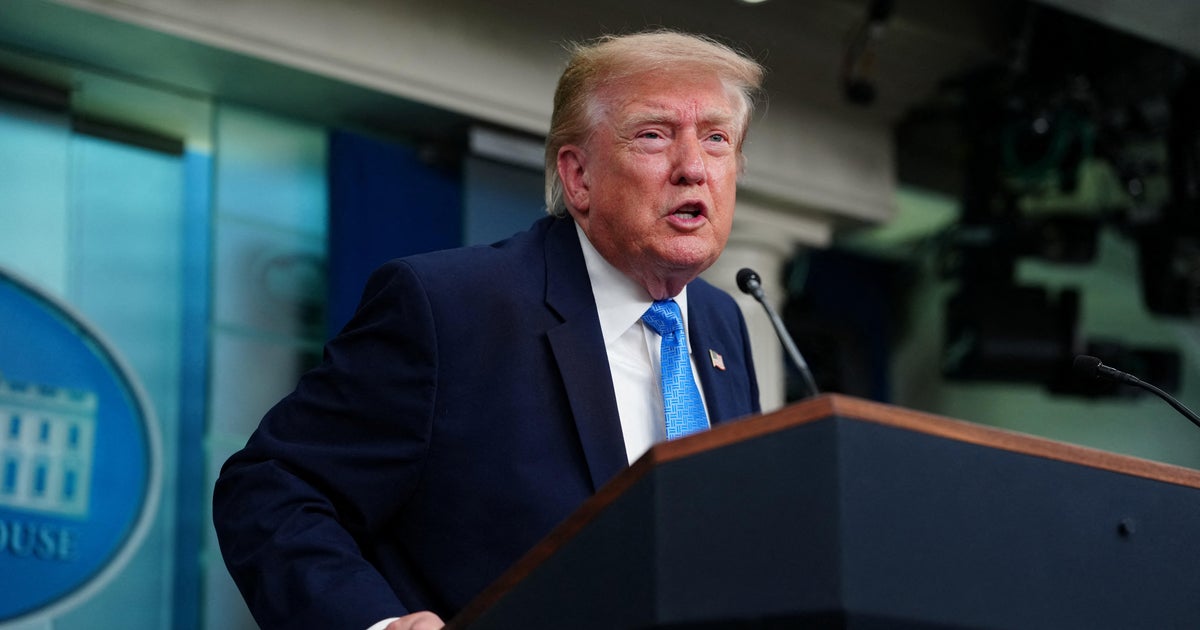
Trump Calls Iran War 'Effectively Over' After Midterm Losses
Intra-Party Split Detected
Rep. Thomas Massie (R-KY) launched an impeachment effort against Secretary Hegseth, reflecting a minority of Republicans breaking with Trump's war posture, while most GOP voices (and Vance) echoed criticism of the war's political cost after midterm losses but did not go as far as Massie's action.
Left says
- •The timing raises questions about whether the de-escalation is driven by genuine military and diplomatic assessment or by the political fallout from a historic midterm defeat that Republicans themselves attributed to the war.
- •Trump has a documented pattern of exaggerating the imminence of deals with Iran, having claimed a breakthrough was near dozens of times over the nine-month conflict, which warrants skepticism toward his latest optimistic framing.
- •Continuing the naval blockade and military buildup while declaring the war 'over' reflects a contradictory posture that keeps pressure on Iran without full accountability for the war's economic and human costs.
- •Gulf allies like Qatar, Saudi Arabia, and the UAE appear to be actively pressuring Trump to avoid further escalation, suggesting the shift is as much about managing regional relationships as declaring victory.
Right says
- •The war's military objectives have been achieved, with Iran's navy, air force, and missile and drone production capacity severely crippled, justifying Trump's assessment that the conflict is effectively won.
- •Maintaining the naval blockade and keeping all three carrier groups 'locked and loaded' demonstrates strength and continued deterrence rather than retreat, ensuring Iran cannot rebuild its military threat.
- •Trump and Secretary Hegseth both emphasize that Iran is negotiating 'politely' from a position of weakness, validating the strategy of maximum pressure through sanctions and military force.
- •Ending the conflict without further strikes, if achievable, fulfills the administration's goal of protecting regional allies and preventing Iran from obtaining nuclear weapons while avoiding unnecessary continued combat.
Common Take
High Consensus- Iran's military capabilities, including its navy, air force, and missile and drone manufacturing, have been significantly degraded by U.S. and Israeli strikes.
- The United States is maintaining its naval blockade and military presence in the region even as active strikes have paused.
- Gulf states including Qatar, Saudi Arabia, the UAE, Bahrain, and Kuwait have expressed a preference for maintaining the current status quo rather than renewed escalation.
- Preventing Iran from acquiring nuclear weapons remains a stated objective underlying U.S. policy regardless of how the conflict concludes.
The Arguments
Left argues
The timing of Trump's declaration—just days after Republicans' historic midterm defeat, which JD Vance himself attributed partly to the Iran war—suggests political calculation rather than a purely military or diplomatic assessment is driving the de-escalation.
Right counters
Military assessments and political timing are not mutually exclusive; Iran's navy, air force, and missile production were objectively crippled well before the midterms, and the political backlash simply made it more urgent to communicate an already-true assessment.
Right argues
The destruction of Iran's navy, air force, and the reduction of its missile and drone production to roughly 10-15% of prior capacity represents concrete, verifiable military achievements that justify calling the war 'effectively over.'
Left counters
Even if those military gains are real, declaring victory while simultaneously keeping three carrier groups 'locked and loaded' and maintaining a full naval blockade suggests the administration itself isn't confident the conflict is truly resolved.
Left argues
Trump's track record of claiming an imminent breakthrough 'dozens of times' over nine months of war justifies deep skepticism toward his latest optimistic framing, since the pattern suggests rhetoric outpacing reality.
Right counters
This time the claim is paired with specific, corroborated details—Hegseth's independent assessment of Iran's weakness and reports of polite, ongoing Iranian communication—that distinguish it from previous vague promises of an imminent deal.
Right argues
Maintaining the blockade and carrier presence while declaring the war over is not contradictory but represents textbook deterrence: sustained pressure that prevents Iran from rearming while diplomacy proceeds, rather than retreat or premature withdrawal.
Left counters
Calling a war 'over' while the economic blockade, military buildup, and threat of resumed strikes continue unabated lets the administration claim political credit for ending the conflict without actually bearing accountability for its ongoing costs to Iranian civilians and the global economy.
Left argues
Gulf allies like Qatar, Saudi Arabia, and the UAE are visibly lobbying Trump to avoid further escalation, indicating that regional diplomatic pressure—not solely a battlefield victory—is shaping the administration's new posture.
Right counters
Allied preferences for stability don't undermine the case for victory; rather, it shows that Iran's weakened position has created space for regional consensus, since allies would be far less willing to urge restraint if Iran still posed a credible military threat.
Challenge Questions
These questions target genuine internal contradictions — meant to provoke honest reflection.
Right asks Left
“If the left acknowledges that Iran's navy, air force, and missile/drone production have been substantially degraded, on what basis should Trump's assessment that the war is 'effectively over' be dismissed as purely political rather than a reasonable read of the battlefield facts?”
Left asks Right
“If the war is truly 'effectively over' and Iran is negotiating from weakness, why does the administration still deem it necessary to keep all three carrier groups 'locked and loaded' and maintain a full economic blockade rather than beginning to stand down?”
Outlier Report
Left Fringe
Anti-war progressives like Rep. Ro Khanna and commentators such as those at The Intercept who argue the war was illegitimate from the start and reject any 'victory' framing regardless of timing, representing roughly 15-20% of the left.
Right Fringe
Hawkish figures like Sen. Lindsey Graham and some neoconservative commentators who argue Trump is prematurely declaring victory and risks letting Iran rebuild, representing roughly 10-15% of the right.
Noise Assessment
High noise ratio; cable news and social media amplify both triumphalist and conspiratorial framings far more than the average American, who likely has low engagement with day-to-day details of the conflict's diplomatic status.
Sources (14)
President Trump told 60 Minutes the war with Iran was a "good decision" in the long term, despite its short-term impact.
The United States is unlikely to restart major military operations against Iran, President Donald Trump indicated Monday, saying he was satisfied that current negotiations were making progress and that there was little need for now to engage in an extensive new attack.
President Trump downplayed the possibility of renewed military action against Iran but said the U.S. was maintaining its wartime posture in the Middle East to protect allied Arab and Gulf partners, speaking from the White House on Monday. Trump's comments came following a meeting with the primary interlocutor with Iran, Qatar's Prime Minister Sheikh Mohammed bin Abdulrahman Al Thani.
United States President Donald Trump has signalled that he considers the US-Israel war on Iran "effectively" at an end, after meeting Qatar's prime minister in Washington, DC. In a surprise briefing on Monday, Trump reiterated his position that the US had destroyed Iran's military. But his remarks suggested he faces pressure from allies in the Middle East to bring hostilities to a close.
POTUS also defended Secretary of War Pete Hegseth against an impeachment effort launched by Rep. Thomas Massie (R-KY).
Donald Trump has said that the war in Iran is "effectively over" as he played down concerns that the US would escalate its military campaign against Tehran after the midterm elections.
<p>President Trump said Monday that a renewed military campaign against Iran is "quite unlikely" and "doesn't seem to be necessary."</p><p><strong>Why it matters:</strong> Trump stopped short of saying the war was over, but his comments on Truth Social and at an impromptu press conference were the most forward-leaning in that direction since February. </p><hr /><ul><li>Trump made his comments less than a week after conceding that the war was one of the reasons for the Republican defeat in the midterm elections. </li></ul><p><em>This is a breaking new story. Check back for updates. </em></p>
<p>President Donald Trump declared Monday that Iran's military is effectively defeated and another U.S. offensive appears unlikely, signaling that the months-long conflict could soon end following talks with Qatar's prime minister.</p> <p>The post <a href="https://www.breitbart.com/politics/2026/11/09/trump-iran-war-effectively-over-militarily-renewed-offensive-quite-unlikely/" rel="nofollow">Trump: Iran War ‘Effectively Over’ Militarily — Renewed Offensive ‘Quite Unlikely’</a> appeared first on <a href="https://www.breitbart.com" rel="nofollow">Breitbart</a>.</p>
<p>President Donald Trump said Sunday that renewed U.S. military strikes against Iran are “highly unlikely” if negotiations produce a strong agreement, while warning that American forces remain ready to launch another major offensive if necessary.</p> <p>The post <a href="https://www.breitbart.com/politics/2026/11/08/trump-renewed-u-s-strikes-iran-highly-unlikely-talks-progress/" rel="nofollow">Trump Says Renewed U.S. Strikes on Iran ‘Highly Unlikely’ if Talks Progress</a> appeared first on <a href="https://www.breitbart.com" rel="nofollow">Breitbart</a>.</p>
President Trump on Monday met with Qatar's prime minister to discuss strategies for a new ceasefire with Iran. CBS News' Charlie D'Agata has more.
<p>President, after talks with Qatari PM, suggests end to war coming ‘fairly soon’ and military escalation not needed</p><p>Donald Trump has said that the war in Iran is “effectively over” as he played down concerns that the US would escalate its military campaign against Tehran after the midterm elections.</p><p>During a White House press conference, Trump said that Israel and Gulf allies in the region were well protected from Iran and that an escalation was not needed.</p> <a href="https://www.theguardian.com/us-news/2026/nov/09/trump-iran-war">Continue reading...</a>
<p>Donald Trump said war in Iran would end soon as he played down concerns US would escalate military campaign against Tehran after midterm elections. During a White House press conference, Trump said Israel and Gulf allies in the region were well protected from <a href="https://www.theguardian.com/world/iran">Iran</a> and an escalation was not needed</p><p></p><ul><li><p><a href="https://www.theguardian.com/us-news/2026/nov/09/trump-iran-war"><strong>Trump says US war in Iran ‘effectively over’ as he plays down escalation concerns</strong></a></p></li></ul> <a href="https://www.theguardian.com/us-news/video/2026/nov/10/war-in-iran-ending-fairly-soon-says-trump-video">Continue reading...</a>
President Trump downplayed the possibility of renewed military action against Iran but said the U.S. was maintaining its wartime posture in the Middle East to protect allied Arab and Gulf partners, speaking from the White House on Monday.  Trump’s comments came following a meeting with the primary interlocutor with Iran, Qatar’s Prime Minister Sheikh Mohammed…
In an impromptu news conference, the president insisted negotiations are making progress.