Trump calls rising oil prices 'small price to pay' for peace
Left says
- •The conflict represents a costly military intervention that wastes billions of dollars daily while failing to achieve meaningful strategic objectives
- •Rising gas prices disproportionately harm working families and lower-income Americans who are already struggling with affordability
- •The administration's dismissive attitude toward price increases shows indifference to the economic burden placed on ordinary consumers
- •Military action should not be pursued when it directly increases costs for Americans at home without clear benefits
Right says
- •Eliminating Iran's nuclear threat and achieving regional stability justifies temporary economic costs that will benefit long-term security
- •Gas prices remain $1.50 per gallon lower than during the Biden administration, demonstrating the Trump administration's overall success in lowering energy costs
- •The price increases are expected to last only weeks, not months, as oil shipments through the Strait of Hormuz resume normal operations
- •The administration is actively working to mitigate price impacts through insurance backstops and lifting some Russian oil restrictions
Common Take
High Consensus- Oil prices have surged significantly due to the Iran conflict, with gas prices jumping from $2.98 to $3.45 per gallon in one week
- The Strait of Hormuz carries roughly 20% of the world's oil supply, making it a critical chokepoint for global energy markets
- Rising energy costs create financial pressure on American consumers and families
- The Treasury Department and Energy Secretary are taking active steps to address price increases and restore normal oil flows
The Arguments
Right argues
Gas prices remain $1.50 per gallon lower than during the Biden administration peak, demonstrating that Trump's overall energy policy has successfully reduced costs for Americans despite this temporary spike.
Left counters
Current price increases disproportionately harm working families who are already struggling with affordability, and dismissing these impacts as a 'small price to pay' shows indifference to the immediate economic burden on ordinary consumers.
Left argues
This military intervention wastes billions of dollars daily while failing to achieve meaningful strategic objectives, representing a costly foreign entanglement that directly increases costs for Americans at home.
Right counters
Eliminating Iran's nuclear threat and achieving regional stability justifies temporary economic costs, as the long-term security benefits will far outweigh short-term price increases that are expected to last only weeks.
Right argues
The administration is actively working to mitigate price impacts through practical measures like insurance backstops for oil tankers and lifting some Russian oil restrictions to increase global supply.
Left counters
These reactive measures acknowledge that the administration failed to adequately consider the economic consequences before launching military action, forcing them to scramble for solutions after prices had already spiked.
Left argues
Rising gas prices hit hardest those who can least afford it, with two of the ten largest single-day price increases in history occurring this week, creating real financial hardship for families already stretched thin.
Right counters
Oil shipments through the Strait of Hormuz are already resuming with tankers successfully transiting the waterway, indicating that supply disruptions and price increases will be temporary as the situation stabilizes.
Challenge Questions
These questions target genuine internal contradictions — meant to provoke honest reflection.
Right asks Left
“If you oppose this military action primarily because of its economic costs to American consumers, how do you reconcile this position with supporting other government policies that also increase costs for working families, such as environmental regulations that raise energy prices?”
Left asks Right
“If the administration truly prioritizes lowering energy costs for Americans as claimed, why didn't it secure alternative oil supply arrangements or implement price mitigation measures before launching military action that it knew would disrupt global energy markets?”
Outlier Report
Left Fringe
Progressive anti-war activists like CodePink's Medea Benjamin and Rep. Rashida Tlaib who would likely call for immediate ceasefire regardless of strategic outcomes, representing approximately 15% of the left.
Right Fringe
Isolationist conservatives like Tucker Carlson and some America First supporters who oppose foreign military engagement even when led by Trump, representing approximately 10% of the right.
Noise Assessment
Moderate noise level - most discourse appears genuine policy debate rather than performative, though some partisan framing around gas prices vs. national security priorities amplifies the divide.
Sources (8)
Rising oil prices tied to the escalating conflict with Iran have prompted the Treasury Department to prepare measures aimed at easing pressure on U.S. energy costs, Reuters reported Thursday. Reuters reported Treasury officials were expected to announce steps as early as Thursday designed to counter the surge in energy prices following U.S. and Israeli strikes on Iranian targets. The price increases come as the Middle East conflict approaches the one-week mark after the joint U.S.-Israeli strikes triggered retaliatory actions from Iran.
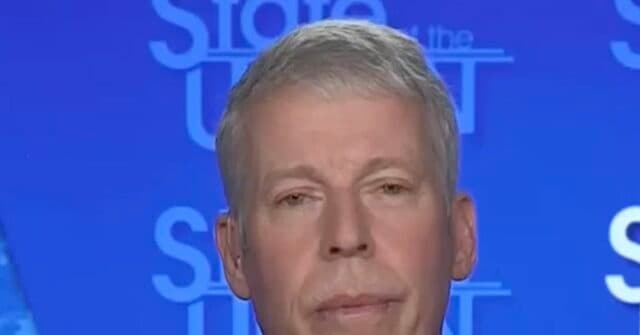
<p>On Sunday, on CNN’s "State of the Union," Energy Secretary Chris Wright said the military action in Iran will increase gas prices for "weeks," not months.</p> <p>The post <a href="https://www.breitbart.com/clips/2026/03/08/energy-secretary-wright-gas-prices-will-only-stay-up-for-weeks-this-is-not-a-months-thing/" rel="nofollow">Energy Secretary Wright: Gas Prices Will Only Stay Up for Weeks — This Is Not a Months’ Thing</a> appeared first on <a href="https://www.breitbart.com" rel="nofollow">Breitbart</a>.</p>
War-risk insurance costs surge as conflict threatens oil shipments through Strait of Hormuz, potentially driving up gas prices for American consumers.
President Trump said Sunday that increasing prices of oil are “a very small price to pay” for “safety and peace” amid the U.S. conflict with Iran. “Short term oil prices, which will drop rapidly when the destruction of the Iran nuclear threat is over, is a very small price to pay for U.S.A., and World,…
Energy Secretary Chris Wright said Sunday that the Trump administration’s policy toward Russian oil has not changed, despite Treasury Secretary Scott Bessent lifting some restrictions on the commodity earlier this week. “The United States’ policy towards Russia has not changed at all,” Wright told host Jake Tapper on CNN’s “State of the Union.” On Thursday,…
Energy Secretary Chris Wright on Sunday downplayed concerns about the Strait of Hormuz’s closure amid the conflict in Iran. “One large tanker has already gone through the straits with no issues at all. So as the general just described, we’re massively attiring their ability to strike with missiles and drones, and that rate of attrition…
The U.S. is lifting some restrictions on Russian oil and considering more actions to “unsanction” it as the conflict in Iran raises prices globally, Treasury Secretary Scott Bessent said Friday. Bessent told Fox Business that the U.S. would allow India to buy Russian barrels. “Yesterday, Treasury agreed to let our allies in India start buying…
Energy Secretary Chris Wright said Sunday that an oil tanker has passed through the Strait of Hormuz, calling it an early sign that the crucial shipping route is starting to reopen.