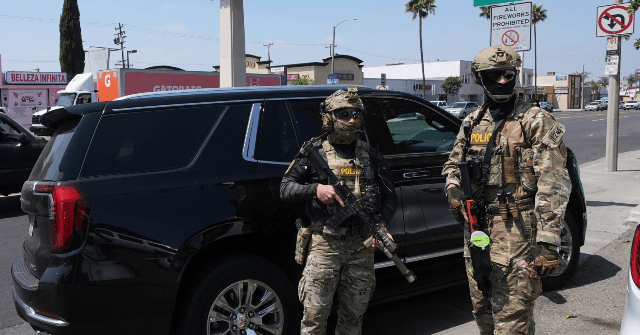
Trump DOJ Sues Blue States for Denying ICE Undercover Plates
Left says
- •These states are protecting immigrant communities from aggressive ICE tactics that have terrorized families and violated civil rights
- •State resources should not be used to facilitate federal immigration enforcement that targets vulnerable populations rather than focusing on serious criminals
- •The policies represent legitimate state sovereignty in refusing to assist with operations that undermine community trust in local law enforcement
Right says
- •Federal agents face safety risks and operational challenges when criminals can identify and track them through regular license plates
- •States are unconstitutionally discriminating against federal law enforcement while providing the same plates to their own agencies
- •This obstruction undermines immigration enforcement and allows dangerous criminals to evade justice and threaten communities
Common Take
High Consensus- Law enforcement officers face legitimate safety concerns when conducting undercover operations
- States have historically provided confidential license plates to various law enforcement agencies
- The dispute centers on constitutional questions about federal versus state authority
- Both sides express concern about public safety and effective law enforcement
The Arguments
Right argues
States are engaging in unconstitutional discrimination by providing undercover plates to their own law enforcement agencies while denying them to federal agents, violating the Supremacy Clause and creating a dangerous double standard.
Left counters
States have legitimate sovereignty to decide how their resources are allocated, and they can distinguish between supporting local criminal investigations versus facilitating federal civil immigration enforcement that undermines community trust.
Left argues
ICE's aggressive tactics have terrorized immigrant communities and violated civil rights, so states should not be compelled to provide resources that enable covert operations targeting vulnerable families rather than serious criminals.
Right counters
Federal agents face genuine safety risks when criminals can identify and track them through regular license plates, and states cannot pick and choose which federal laws to support based on political disagreements.
Right argues
Without confidential plates, dangerous criminals can evade justice by identifying and tracking federal agents, undermining immigration enforcement and allowing threats to communities to persist.
Left counters
The real threat to community safety comes from ICE operations that drive immigrants underground and make them afraid to report crimes or cooperate with local police, weakening overall public safety.
Left argues
State refusal to provide undercover plates represents legitimate resistance to federal overreach, as states should not be forced to facilitate operations that contradict their values and harm their residents.
Right counters
The Constitution's Supremacy Clause requires states to treat federal law enforcement equally, and allowing states to obstruct federal operations based on political disagreement would undermine the rule of law.
Right argues
Federal agents conducting legitimate law enforcement operations deserve the same safety protections that states readily provide to their own officers, and denying these protections puts lives at risk.
Left counters
States have the right to distinguish between supporting traditional criminal investigations and enabling civil immigration enforcement that has been characterized by constitutional violations and family separations.
Challenge Questions
These questions target genuine internal contradictions — meant to provoke honest reflection.
Right asks Left
“If states can refuse to provide basic safety equipment to federal agents based on disagreement with immigration policy, what prevents them from similarly obstructing other federal law enforcement they oppose, potentially creating a patchwork system where federal law depends on local political preferences?”
Left asks Right
“If federal agent safety is the primary concern, why not address this through federal resources rather than compelling states to participate, and how do you reconcile claims about protecting communities when many of those same communities explicitly oppose these enforcement tactics?”
Outlier Report
Left Fringe
Progressive activists like those in the Abolish ICE movement and some Democratic Socialists of America chapters who view any cooperation with ICE as complicity in deportation operations represent roughly 15-20% of the left coalition.
Right Fringe
Immigration hardliners like Stephen Miller and some America First Legal advocates who frame this as part of a broader 'resistance conspiracy' by blue states represent about 25% of the right, though their core argument aligns with mainstream conservative views on this specific issue.
Noise Assessment
Moderate noise levels - while this fits into broader immigration debates, the specific safety/equality framing keeps most discourse focused on the actual policy rather than performative positioning.
Sources (5)
<p>The Justice Department filed lawsuits Wednesday against Maine, Massachusetts, Oregon, and Washington, alleging the states violated the Constitution by refusing to provide confidential license plates to federal law enforcement agencies while continuing to issue them to state and local law enforcement.</p> <p>The post <a href="https://www.breitbart.com/law-and-order/2026/05/28/doj-sues-four-states-for-denying-undercover-license-plates-to-ice-dhs-agents/" rel="nofollow">DOJ Sues Four States for Denying Undercover License Plates to ICE, DHS Agents</a> appeared first on <a href="https://www.breitbart.com" rel="nofollow">Breitbart</a>.</p>
The lawsuits, filed Wednesday, allege that the state policies threaten the operational effectiveness and safety of federal agents who have faced a wave of targeted harassment under the Trump administration.
The Department of Justice alleges in separate lawsuits announced Thursday that Maine, Massachusetts, Oregon, and Washington state are imposing unconstitutional restrictions that it says impede law enforcement and threaten agents' safety.
<p>Maine, Massachusetts, Oregon and Washington state sued as ICE seeks plates in Trump’s immigration crackdown</p><p>The Trump administration is suing to challenge the refusal of four US states to issue confidential license plates to US Immigration and Customs Enforcement (<a href="https://www.theguardian.com/us-news/ice-us-immigration-and-customs-enforcement">ICE</a>) agents, saying the states have long provided them to other law enforcement agencies conducting undercover operations.</p><p>The US Department of Justice on Thursday said it had filed lawsuits against Maine, Massachusetts, Oregon and Washington state after states led by Democratic governors refused to rescind their policies. ICE is seeking access to such plates to carry out arrests as part of Trump’s <a href="https://www.theguardian.com/us-news/usimmigration">immigration crackdown</a>.</p> <a href="https://www.theguardian.com/us-news/2026/may/28/trump-doj-lawsuit-ice-undercover-license-plates">Continue reading...</a>
The Department of Justice (DOJ) filed lawsuits Thursday against four states for refusing to issue “undercover” license plates to federal immigration officers. The lawsuits against Maine, Washington, Oregon and Massachusetts follow a letter sent from the DOJ earlier this month, urging all four jurisdictions to issue confidential plates to federal agents. “By denying undercover license…