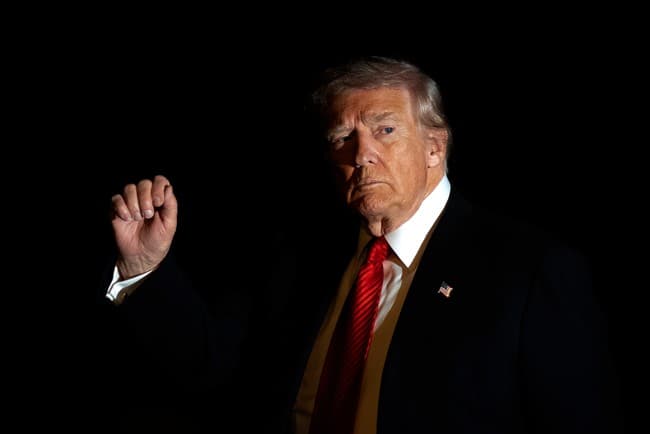
Trump Iran Deal Faces Republican Opposition Despite 'No Nukes' Promise
Intra-Party Split Detected
Some hardline Republicans like Cruz and Graham oppose the Iran deal despite Trump's leadership, citing concerns about empowering the regime
Left says
- •Trump is repeating Obama-era mistakes by negotiating with an authoritarian regime that cannot be trusted to honor agreements
- •Lifting sanctions and releasing billions in frozen assets will strengthen Iran's ability to fund regional terrorism and destabilizing activities
- •The 30-day military presence timeline is insufficient to ensure long-term compliance and sends a weak signal about American commitment
- •Previous nuclear deals with Iran have failed because verification mechanisms were inadequate and enforcement was inconsistent
Right says
- •The deal structure ensures Iran receives no benefits unless it completely eliminates its nuclear stockpile, unlike previous agreements that provided upfront concessions
- •Reopening the Strait of Hormuz will reduce global energy prices and strengthen American economic interests while maintaining military pressure
- •Trump's approach includes strong verification measures and keeps the military option on the table, demonstrating strength rather than appeasement
- •Regional allies including Saudi Arabia and UAE support the framework, creating broader Middle East stability and isolating Iran if it violates terms
Common Take
High Consensus- Iran must never be allowed to develop or possess nuclear weapons
- The Strait of Hormuz must remain open for international shipping and commerce
- Any agreement with Iran requires robust verification and enforcement mechanisms
- Regional stability in the Middle East serves important American strategic interests
The Arguments
Right argues
This deal structure ensures Iran receives no benefits unless it completely eliminates its nuclear stockpile, with the 'no dust, no dollars' framework preventing the upfront concessions that characterized previous failed agreements.
Left counters
Iran has repeatedly violated previous agreements despite verification mechanisms, and releasing billions in frozen assets will immediately strengthen their capacity to fund regional terrorism and proxy warfare regardless of nuclear compliance.
Left argues
The 30-day military presence timeline sends a dangerously weak signal about American commitment and provides insufficient deterrent against Iranian violations once economic benefits begin flowing.
Right counters
The 30-day timeline demonstrates that military options remain viable while allowing diplomatic progress, and U.S. forces have proven they can rapidly redeploy when necessary to maintain credible deterrence.
Right argues
Regional allies including Saudi Arabia, Qatar, UAE, Egypt, Jordan, and Turkey support the framework, creating unprecedented Middle East coalition backing that isolates Iran if it violates terms.
Left counters
Regional support may be tactical rather than strategic, as these nations primarily want reduced oil competition and regional tensions, not necessarily effective Iranian nuclear containment.
Left argues
Previous nuclear agreements with Iran failed because verification mechanisms proved inadequate and enforcement was inconsistent, making any new deal inherently unreliable given Iran's authoritarian nature.
Right counters
This agreement maintains strong verification measures while keeping military pressure available, unlike previous deals that provided immediate sanctions relief without proportional Iranian concessions.
Right argues
Reopening the Strait of Hormuz will reduce global energy prices and strengthen American economic interests while the blockade remains until full compliance is achieved and certified.
Left counters
Lifting sanctions and releasing frozen assets will provide Iran with immediate economic relief that can be redirected to destabilizing regional activities even while nuclear negotiations continue.
Challenge Questions
These questions target genuine internal contradictions — meant to provoke honest reflection.
Right asks Left
“If you acknowledge that maintaining the current blockade and military pressure brought Iran to negotiations, why do you assume that a structured deal with verification mechanisms and continued deterrence will be less effective than the status quo of ongoing conflict?”
Left asks Right
“If Iran's authoritarian nature makes it inherently untrustworthy in agreements, how do you reconcile supporting a deal structure that still requires trusting Iranian compliance with nuclear elimination, even with verification measures in place?”
Outlier Report
Left Fringe
Progressive anti-war activists like CodePink's Medea Benjamin and some Squad members who might oppose any deal that maintains military pressure or sanctions, representing roughly 15% of the left coalition.
Right Fringe
Hardline hawks like Senators Lindsey Graham and Ted Cruz who oppose any negotiation with Iran regardless of terms, plus neoconservative voices like Bill Kristol, representing about 25% of the right coalition.
Noise Assessment
Moderate noise level - most discourse reflects genuine policy disagreements rather than performative positioning, though some Republican senators are amplifying opposition for political positioning against Trump.
Sources (5)
<img alt="Donald Trump" class="webfeedsFeaturedVisual wp-post-image" src="https://thefederalist.com/wp-content/uploads/2026/05/IMG_9072-1200x675.jpeg" style="display: block; margin: auto; margin-bottom: 5px;" />'We're structuring this in such a way where they make commitments on the enriched stockpile, but they don't get a dime unless they deliver on their commitments,' the senior official stated.