Trump slams UK's Starmer for joining Iran war 'after we've already won'
Intra-Party Split Detected
Labour MPs remain cautious about military involvement, haunted by Blair's Iraq War support, with 56% of Britons supporting Starmer's initial refusal to join strikes
Left says
- •Starmer showed prudent leadership by initially refusing military involvement without a clear legal basis and viable plan, learning from the disastrous Iraq War experience
- •The UK has been actively supporting regional defense through pre-deployed assets in Qatar and Cyprus, plus 400 additional personnel for air defense activities
- •Trump's public criticism undermines the special relationship and diplomatic cooperation between longtime allies during a sensitive military operation
- •Polling shows 56% of Britons supported Starmer's cautious approach, reflecting democratic accountability and public war-weariness
Right says
- •Starmer's delayed response weakened the US-UK alliance when America needed immediate support from its closest ally in confronting Iranian aggression
- •The Prime Minister's hesitation contrasts unfavorably with Churchill's decisive wartime leadership and Britain's historical role as America's most reliable partner
- •Trump's criticism reflects legitimate frustration that Britain only joined after the heavy lifting was done, appearing opportunistic rather than supportive
- •Starmer prioritized domestic political calculations over fulfilling Britain's traditional obligations to stand with America in critical moments
Common Take
High Consensus- The UK is now actively supporting US operations by allowing use of British bases at Fairford and Diego Garcia for defensive purposes
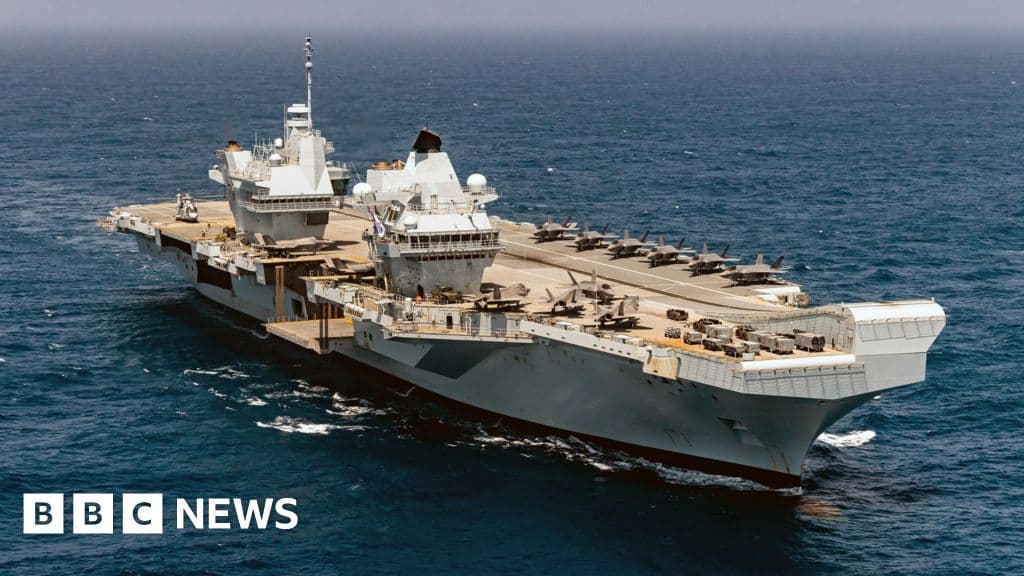
- HMS Prince of Wales aircraft carrier has been placed on five-day readiness for potential Middle East deployment
- Both nations agree on the need to defend against Iranian missile and drone attacks threatening regional allies and British interests
- The US-UK relationship remains strategically important despite current tensions over timing and coordination
The Arguments
Left argues
Starmer demonstrated responsible leadership by requiring a clear legal basis and viable plan before committing to military action, learning from the catastrophic Iraq War that haunted Britain for decades. With 56% of Britons supporting his cautious approach, he showed democratic accountability rather than rushing into another Middle Eastern conflict.
Right counters
Britain's hesitation when America needed immediate support from its closest ally undermines the special relationship that has been the cornerstone of Western security for generations. Starmer's domestic political calculations came at the expense of standing with America in a critical moment against Iranian aggression.
Right argues
Starmer's delayed response contrasts sharply with Churchill's decisive wartime leadership and Britain's historical role as America's most reliable partner in global crises. By joining only after the heavy lifting was done, Britain appeared opportunistic rather than genuinely supportive of its most important ally.
Left counters
The UK had already been actively supporting regional defense through pre-deployed assets in Qatar and Cyprus, plus 400 additional personnel for air defense activities, showing Britain was engaged from the beginning. Trump's public criticism during an active military operation damages diplomatic cooperation and undermines alliance effectiveness.
Left argues
Britain maintained meaningful involvement through existing regional deployments and defensive operations while avoiding the legal and strategic pitfalls of offensive action without parliamentary approval. This approach preserved British sovereignty while still supporting allied interests through base access and regional defense.
Right counters
Allowing base access only after initial reluctance sends a message that Britain will support America conditionally and belatedly, weakening deterrence against future Iranian aggression. America's frustration is legitimate when its closest ally appears to prioritize domestic politics over alliance obligations in moments of crisis.
Right argues
Trump's criticism reflects genuine strategic concern that Britain's hesitation signals to adversaries like Iran that the Western alliance lacks unity and resolve when decisive action is needed. America has historically been able to count on Britain's immediate support, and this departure from that tradition has real consequences for deterrence.
Left counters
Public criticism of allies during active military operations undermines the very alliance solidarity that Trump claims to value, potentially encouraging adversaries to exploit perceived divisions. Starmer's measured approach actually strengthened the alliance by ensuring British participation had proper legal foundation and public support.
Challenge Questions
These questions target genuine internal contradictions — meant to provoke honest reflection.
Right asks Left
“If Britain was truly committed to supporting America from the beginning through pre-deployed assets and regional defense, why did it take a specific US request and domestic political pressure for Starmer to allow base access for defensive operations - suggesting his initial stance was more about avoiding involvement than ensuring legal compliance?”
Left asks Right
“If the special relationship and alliance solidarity are truly paramount, how does publicly criticizing and dismissing Britain's eventual support strengthen deterrence against Iran or encourage other allies to provide immediate assistance in future crises?”
Outlier Report
Left Fringe
Anti-war protesters demonstrated outside RAF Fairford as cited in the articles, likely representing hardcore pacifist elements comprising roughly 10-15% of the left who oppose any military cooperation regardless of defensive framing.
Right Fringe
Trump himself represents the extreme position on the right, publicly humiliating a key ally and dismissing their eventual support as worthless, a stance that likely represents 20-25% of the right who prioritize America First ideology over traditional alliance management.
Noise Assessment
High performative element - Trump's Truth Social posts appear designed for domestic political theater rather than serious diplomacy, while much coverage focuses on personal drama between leaders rather than substantive policy differences.
Sources (5)
The move may raise speculation HMS Prince of Wales could be sent to defend British interests during the Middle East conflict.
The flight is due to depart from Dubai early next week for British nationals wanting to leave the region.
<p>The United States has started using British bases for certain operations against Iran during the Middle East war, the UK government announced on Saturday.</p> <p>The post <a href="https://www.breitbart.com/europe/2026/03/07/u-s-starts-using-uk-bases-for-defensive-iran-operations/" rel="nofollow">U.S. Starts Using UK Bases for ‘Defensive’ Iran Operations</a> appeared first on <a href="https://www.breitbart.com" rel="nofollow">Breitbart</a>.</p>
President Trump criticized British Prime Minister Keir Starmer on Saturday over delaying sending an aircraft carrier to the Middle East.
<p>US president delivers stinging criticism of UK prime minister over delayed support for Iran war</p><ul><li><p><a href="https://www.theguardian.com/world/live/2026/mar/07/middle-east-crisis-live-tehran-explosions-beirut-trump-israel-iran-war-second-week">Middle East crisis – follow live</a></p></li></ul><p><a href="https://www.theguardian.com/us-news/donaldtrump">Donald Trump</a> has renewed his stinging criticism of UK prime minister <a href="https://www.theguardian.com/politics/keir-starmer">Keir Starmer</a> over the lack of immediate UK support for the US-Israeli strikes on Iran.</p><p>“The United Kingdom, our once Great Ally, maybe the Greatest of them all, is finally giving serious thought to sending two aircraft carriers to the Middle East,” Trump <a href="https://truthsocial.com/@realDonaldTrump/posts/116189925042301817">wrote</a> on his social media platform, adding: “That’s OK, Prime Minister Starmer, we don’t need them any longer – But we will remember. We don’t need people that join Wars after we’ve already won!”</p> <a href="https://www.theguardian.com/us-news/2026/mar/07/trump-starmer-iran-criticism">Continue reading...</a>