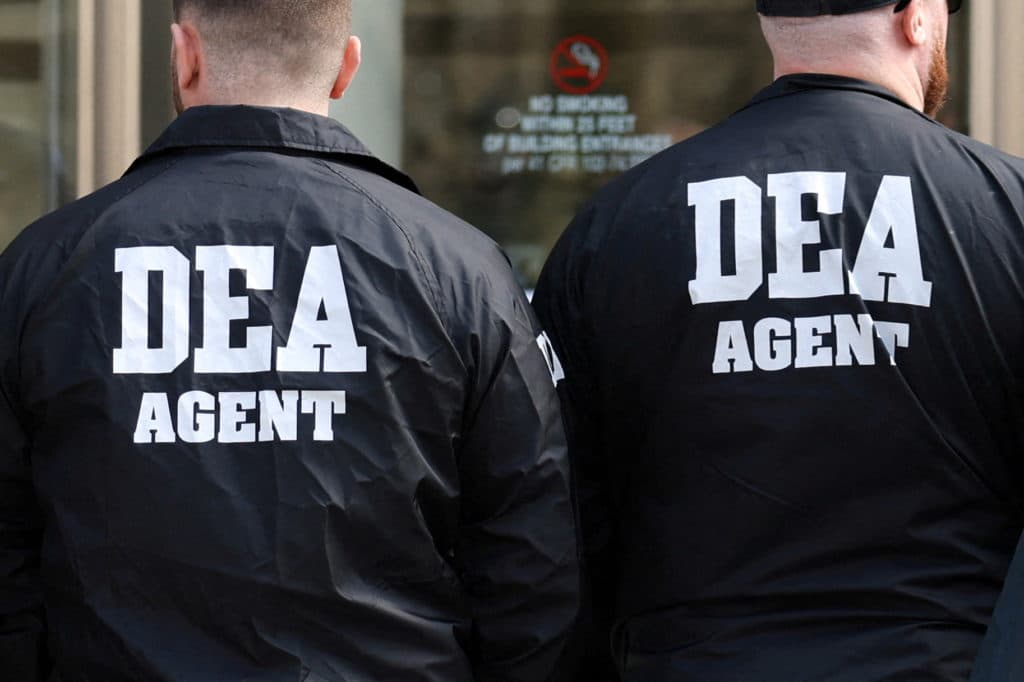
 DEA agents during counterterror operations targeting cartels and domestic extremists
Trump strategy targets left-wing groups, omits right-wing extremism
Left says
- •The strategy ignores right-wing extremist groups despite government research showing they are responsible for the majority of violent attacks in recent years
- •Classifying anti-fascist groups as major terror threats while omitting white supremacist and militia groups represents a dangerous political weaponization of counterterrorism resources
- •The focus on 'radically pro-transgender' ideology as a terrorist threat reflects discriminatory targeting of marginalized communities and their advocates
- •This approach undermines legitimate counterterrorism efforts by prioritizing political opponents over actual security threats
Right says
- •Left-wing violent groups like Antifa have engaged in sustained campaigns of political violence and property destruction that warrant classification as terrorist threats
- •The strategy appropriately targets groups responsible for recent politically motivated assassination attempts and violence against conservative figures
- •Anti-American anarchist movements pose a genuine threat to democratic institutions and public safety that has been underaddressed
- •Focusing on cartels, jihadist groups, and domestic violent extremists represents a comprehensive approach to America's most pressing security challenges
Common Take
High Consensus- The strategy identifies drug cartels and transnational gangs as major terrorism threats facing the United States
- Legacy Islamist terrorist groups remain a continued focus of U.S. counterterrorism efforts
- Political violence and extremism from any source pose threats to public safety and democratic institutions
- Counterterrorism strategies should be based on objective threat assessments and evidence
The Arguments
Left argues
Government research consistently shows right-wing extremist groups are responsible for the majority of violent attacks in recent years, yet this strategy completely omits them while targeting anti-fascist groups. This represents a dangerous politicization of counterterrorism that prioritizes political opponents over actual security threats.
Right counters
Left-wing groups like Antifa have engaged in sustained campaigns of political violence, property destruction, and recent assassination attempts that pose immediate threats to public safety and democratic institutions. The strategy appropriately addresses groups that have been underpoliced despite their documented violence.
Right argues
Anti-American anarchist movements and violent left-wing extremists pose genuine threats to democratic institutions through coordinated campaigns of political violence and assassination attempts against conservative figures. These groups warrant classification as terrorist threats based on their actions, not their ideology.
Left counters
Classifying 'radically pro-transgender' ideology as a terrorist threat reveals this strategy's discriminatory targeting of marginalized communities and their advocates rather than focusing on actual violent behavior. This undermines legitimate counterterrorism by conflating political views with security threats.
Left argues
By ignoring white supremacist and militia groups while targeting anti-fascist organizations, this strategy fundamentally misallocates counterterrorism resources away from the groups responsible for the most lethal domestic attacks. This approach weakens national security by focusing on lesser threats while ignoring greater ones.
Right counters
The strategy takes a comprehensive approach by addressing cartels, jihadist groups, and domestic violent extremists based on current threat assessments and recent patterns of violence. Focusing on groups actively engaged in political assassination attempts and sustained violence represents sound threat prioritization.
Right argues
Recent politically motivated violence, including assassination attempts, has predominantly come from left-wing extremists who view conservative figures and institutions as legitimate targets. The strategy correctly identifies these groups as major threats based on their demonstrated willingness to use violence for political ends.
Left counters
This selective focus ignores the documented reality that right-wing extremists have carried out the majority of lethal domestic terrorist attacks, making the omission of these groups a critical intelligence and security failure that leaves Americans vulnerable to the most statistically dangerous threats.
Challenge Questions
These questions target genuine internal contradictions — meant to provoke honest reflection.
Right asks Left
“If counterterrorism strategies should be based on statistical threat assessments rather than political considerations, how do you reconcile your criticism with the strategy's focus on groups that have demonstrably engaged in recent assassination attempts and sustained political violence?”
Left asks Right
“If this strategy is truly about addressing the most dangerous threats to American security, how do you justify completely omitting right-wing extremist groups when government data shows they are responsible for the majority of lethal domestic terrorist attacks?”
Outlier Report
Left Fringe
Squad members like Alexandria Ocasio-Cortez and Ilhan Omar who frame any focus on left-wing extremism as fascistic targeting, along with activists like Shaun King who dismiss Antifa violence entirely. They represent roughly 15% of the left.
Right Fringe
Figures like Marjorie Taylor Greene and Nick Fuentes who want to classify all progressive activism as terrorism, plus militia leaders who see this as justification for their own activities. They represent about 20% of the right.
Noise Assessment
Moderate noise level - while partisan media amplifies extreme positions, the core debate about counterterrorism priorities reflects genuine public disagreement rather than manufactured controversy.
Sources (4)
President Trump enacted a sweeping new counterterrorism strategy aimed at crushing threats "at home and abroad," with a heavy focus on drug cartels, Islamist terror groups and violent political extremists inside the US, a top White House official said on a press call Wednesday.
The Trump administration has classified left-wing networks like Antifa among "three major types of terror groups" the US faces, according to a counter-terrorism plan released Thursday.
The Trump administration's long-awaited counterterrorism strategy will put the focus on left-wing "violent secular" groups that officials argue are responsible for most of the politically motivated assassination attempts and other violence in recent years.
American counterterrorism officials are meeting Friday with officials from other allied nations to coordinate efforts against what the U.S. calls "deadly threats from terror groups and non-state actors." But the recently released U.S. strategy to fight terrorism contains some unusual targets. William Brangham speaks with Colin Clarke, executive director of The Soufan Center, for more.