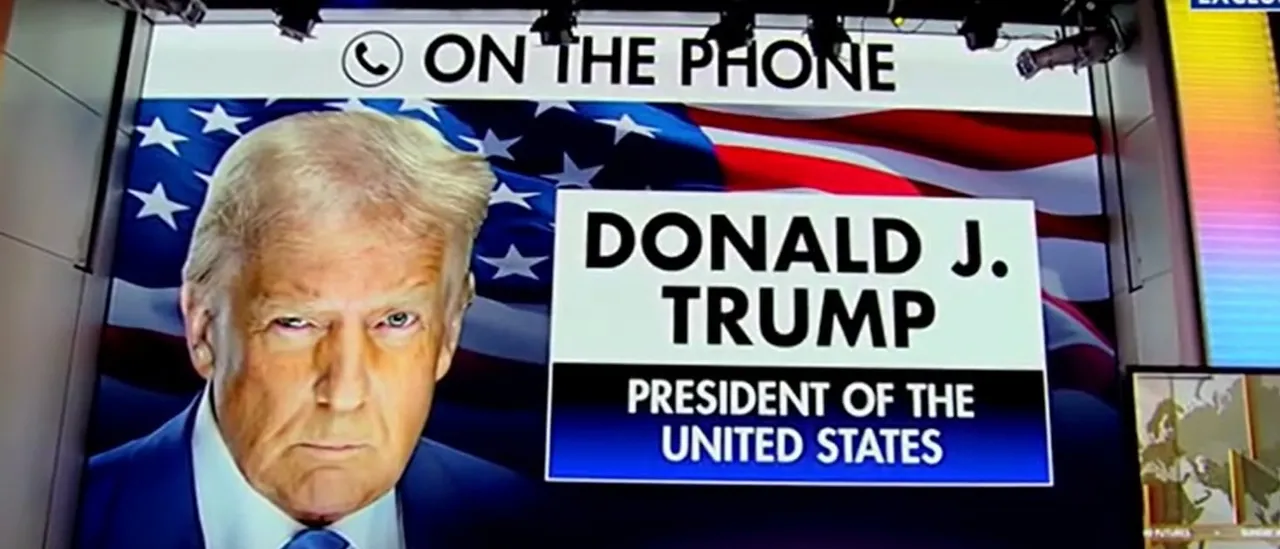
Trump Threatens China With 50% Tariffs Over Iran Weapons Reports
Left says
- •Threatening massive tariffs based on unconfirmed intelligence reports risks escalating tensions with China and damaging critical economic relationships
- •Using broad economic weapons like 50% tariffs could harm American consumers and businesses while potentially violating international trade law
- •The aggressive rhetoric and ultimatums toward Iran demonstrate a preference for military confrontation over diplomatic solutions
Right says
- •Strong deterrent measures are necessary to prevent China from arming Iran and further destabilizing the Middle East conflict
- •Economic consequences like tariffs provide a non-military tool to discourage weapons transfers that threaten American forces and allies
- •Clear warnings backed by credible threats help maintain American strength and protect national security interests in the region
Common Take
High Consensus- U.S. intelligence agencies believe China may be preparing to ship air defense systems including shoulder-fired missiles to Iran
- An American F-15 fighter jet was shot down over Iran, with Trump stating it was hit by a shoulder-fired missile
- Iran has effectively closed the Strait of Hormuz, a critical waterway for global oil shipments
- Both military and diplomatic efforts are being pursued simultaneously to address the Iran conflict
The Arguments
Right argues
Economic deterrence through tariffs provides a non-military tool to prevent China from arming Iran, which could further destabilize the Middle East and threaten American forces and allies in the region.
Left counters
Imposing massive 50% tariffs based on unconfirmed intelligence reports risks escalating tensions with China unnecessarily and could harm American consumers and businesses through higher prices and retaliatory measures.
Left argues
Using broad economic weapons like 50% tariffs against China could violate international trade law and damage critical economic relationships that are essential for American prosperity and global stability.
Right counters
National security concerns must take precedence over trade considerations when dealing with weapons transfers that could be used against American forces, and economic pressure is preferable to military confrontation.
Right argues
Clear warnings backed by credible economic consequences help maintain American strength and deterrence, preventing adversaries from testing U.S. resolve and potentially avoiding larger conflicts.
Left counters
Aggressive ultimatums and threats based on unverified reports demonstrate a preference for confrontation over diplomatic solutions, which could lead to unnecessary escalation and missed opportunities for peaceful resolution.
Left argues
The intelligence about Chinese weapons transfers to Iran remains inconclusive, making it premature and potentially counterproductive to impose severe economic penalties that could damage broader U.S.-China relations.
Right counters
Even the possibility of Chinese weapons being used against American forces requires a strong deterrent response, as waiting for conclusive proof could come too late to prevent American casualties.
Challenge Questions
These questions target genuine internal contradictions — meant to provoke honest reflection.
Right asks Left
“If diplomatic engagement is preferable to economic pressure, how do you propose effectively deterring weapons transfers to Iran that could be used against American forces without using any meaningful leverage or consequences?”
Left asks Right
“If the goal is to prevent Chinese weapons from reaching Iran, how do you reconcile imposing broad tariffs that primarily hurt American consumers with the specific security concern of weapons transfers, and wouldn't targeted sanctions be more effective?”
Outlier Report
Left Fringe
Progressive anti-war activists like CodePink's Medea Benjamin and some Squad members like Rashida Tlaib who oppose any economic pressure on China or Iran, representing roughly 15-20% of the left coalition.
Right Fringe
Hardline hawks like Senator Tom Cotton and commentators like Mark Levin who view 50% tariffs as insufficient and push for immediate military strikes, representing about 25-30% of the right coalition.
Noise Assessment
Moderate noise level - most discourse reflects genuine policy disagreements rather than performative positioning, though Trump's inflammatory social media posts generate outsized attention compared to substantive policy debate.
Sources (6)
'I think they wouldn't do that'
'There will be no exclusions or exemptions!'
Neither country has directly intervened in Iran’s war with the U.S. and Israel, but reports suggest they could be helping in other ways.
The president threatened to target Iran’s infrastructure next Tuesday.
Iran’s parliamentary speaker blamed the U.S. for “secretly planning” a ground invasion while openly talking about peace negotiations.
China is preparing to deliver new air defense systems to Iran in the next few weeks, following over a month of U.S. and Israeli strikes on Iran’s military and missile capabilities, CNN reported Saturday. The outlet cited three people familiar with recent U.S. intelligence assessments. Two of these sources told the outlet that Beijing could route…