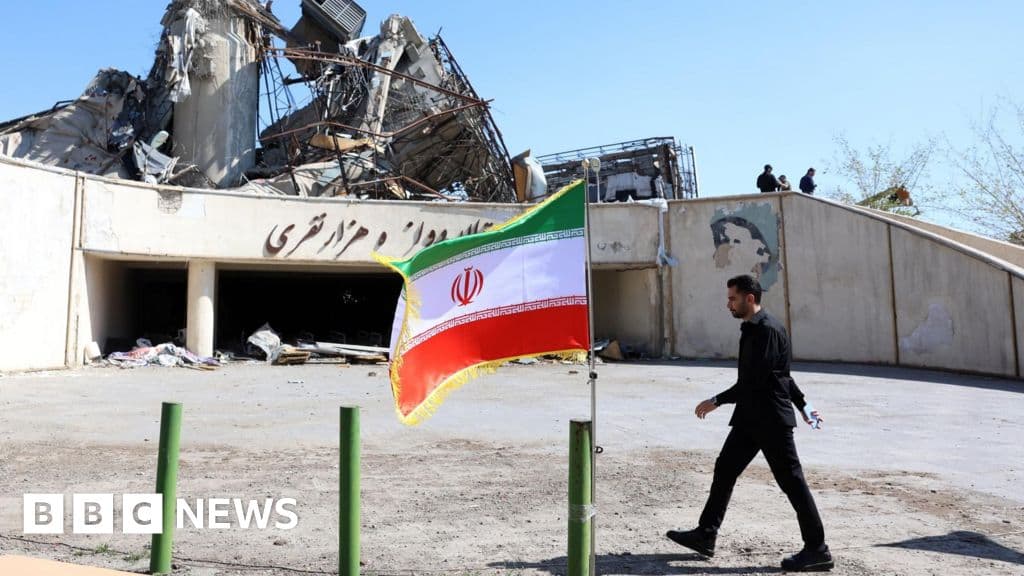
Trump threatens Iran infrastructure strikes unless Strait of Hormuz opens
Left says
- •Threatening civilian infrastructure like power plants and water systems violates international humanitarian law and will cause immense suffering for ordinary Iranian citizens who have no control over their government's actions
- •The deadline-driven ultimatum approach escalates tensions dangerously and closes off diplomatic pathways that could resolve the Strait of Hormuz crisis without devastating consequences
- •Iranian civilians are already living under an authoritarian regime and internet blackout - they should not face additional punishment through infrastructure attacks that will harm the most vulnerable populations
- •Military threats against critical infrastructure risk triggering a broader regional war that could destabilize global energy markets and harm innocent people across the Middle East
Right says
- •Iran's closure of the Strait of Hormuz - through which one-fifth of global energy shipments pass - constitutes economic warfare that demands a decisive response to protect international commerce
- •The Iranian regime has repeatedly used proxy forces and maritime threats to destabilize the region, making strong deterrence necessary to prevent further aggression
- •Clear deadlines and consequences demonstrate American resolve and may compel Iran to negotiate seriously rather than continue disruptive actions that harm the global economy
- •Protecting critical shipping lanes is essential for American allies and global energy security, justifying pressure tactics to reopen this vital waterway
Common Take
High Consensus- The Strait of Hormuz closure has disrupted global energy shipments and pushed oil prices above $100 per barrel, affecting consumers worldwide
- Ordinary Iranian civilians are experiencing significant hardship and uncertainty, with families stockpiling water and supplies in preparation for potential strikes
- The situation has created volatile energy markets and raised concerns about inflation and supply shortages globally
- Reports suggest ongoing diplomatic discussions about a potential 45-day ceasefire, indicating both sides recognize the need for de-escalation
The Arguments
Left argues
Targeting civilian infrastructure like power plants and water systems violates international humanitarian law and will cause immense suffering for ordinary Iranians who have no control over their government's actions, as evidenced by citizens already stockpiling water and fearing for basic necessities.
Right counters
Iran's closure of the Strait of Hormuz constitutes economic warfare that threatens global energy security and commerce, justifying strong deterrent measures to protect international shipping lanes that one-fifth of the world's energy depends on.
Right argues
Clear deadlines and consequences demonstrate American resolve and may compel Iran to negotiate seriously rather than continue disruptive actions that have already pushed oil prices above $110 per barrel and created global supply shortages.
Left counters
Deadline-driven ultimatums escalate tensions dangerously and close off diplomatic pathways, as evidenced by reports of potential 45-day ceasefire talks that could resolve the crisis without devastating consequences for civilians.
Left argues
Iranian civilians are already living under an authoritarian regime with internet blackouts and cannot influence their government's policies, making them undeserving victims of infrastructure attacks that will harm the most vulnerable populations.
Right counters
The Iranian regime has repeatedly used proxy forces and maritime threats to destabilize the region, making strong deterrence necessary to prevent further aggression that ultimately harms more people through economic disruption.
Right argues
Protecting critical shipping lanes is essential for American allies and global energy security, as disruption to the Strait of Hormuz has already impacted countries worldwide and raised concerns about higher inflation globally.
Left counters
Military threats against critical infrastructure risk triggering a broader regional war that could destabilize global energy markets even further and harm innocent people across the Middle East beyond just Iran.
Challenge Questions
These questions target genuine internal contradictions — meant to provoke honest reflection.
Right asks Left
“If diplomatic solutions are preferable to military threats, how do you propose to effectively deter Iran from continuing to disrupt global energy supplies that affect millions of people worldwide when previous diplomatic efforts have failed to resolve the Strait of Hormuz crisis?”
Left asks Right
“If protecting global energy security justifies threatening civilian infrastructure, how do you reconcile this approach with the principle that military actions should distinguish between combatants and civilians, especially when the threatened infrastructure attacks could harm the same Iranian people who oppose their government's actions?”
Outlier Report
Left Fringe
Progressive anti-war activists like CodePink's Medea Benjamin and some Squad members like Rashida Tlaib who would call for immediate diplomatic engagement without any military pressure. Represents roughly 15-20% of the left coalition.
Right Fringe
Hardline hawks like John Bolton, Tom Cotton, and some MAGA influencers who would support immediate strikes regardless of diplomatic alternatives or civilian impact. Represents roughly 25-30% of the right coalition.
Noise Assessment
Moderate noise level - while partisan voices amplify extreme positions, the core debate reflects genuine public concern about both civilian harm and economic security, with most Americans seeking middle-ground approaches.