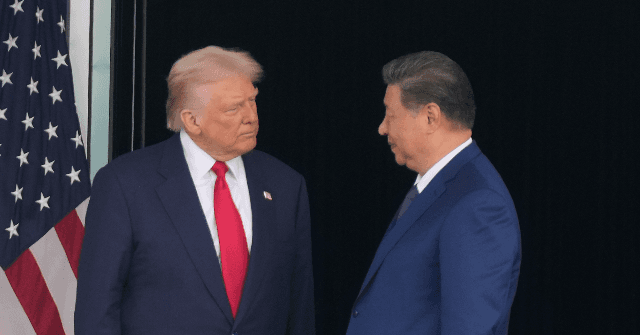
Trump to Confront Xi Over China's Support for Iran
Left says
- •The White House has set low expectations for changing China's Iran policy, suggesting Trump's confrontational approach may be counterproductive to broader diplomatic goals
- •China has actually helped de-escalate the Iran conflict by nudging Tehran back to ceasefire talks when negotiations stalled
- •Allowing Iran tensions to dominate the summit risks derailing progress on other critical issues like trade, fentanyl cooperation, and regional stability
- •Beijing is working diplomatically behind the scenes through allies like Pakistan to broker peace and has sent subtle messages of discontent to Iran over closing shipping lanes
Right says
- •China's economic support for Iran through oil purchases and potential weapons exports directly enables Tehran's military capabilities and international terrorism
- •Beijing's recent order for Chinese firms to ignore U.S. Iran sanctions represents explicit state-backed resistance and a direct challenge to American foreign policy
- •China's role as Iran's closest ally and largest oil customer makes Xi's cooperation essential for any meaningful pressure campaign against the Iranian regime
- •This marks the first U.S. presidential visit to China in nine years, giving Trump significant leverage to demand concrete changes in China's support for adversarial regimes
Common Take
High Consensus- Trump and Xi have maintained direct communication throughout the Iran crisis, with multiple conversations already taking place
- Both leaders recognize the Iran war as a major topic that will be addressed during their Beijing summit
- China is Iran's largest oil customer and maintains significant economic ties with Tehran
- The summit represents an important opportunity for the world's two largest economies to manage their complex relationship during a period of global instability
The Arguments
Right argues
China's explicit defiance of U.S. Iran sanctions through its May directive ordering Chinese firms to ignore them represents a direct challenge to American foreign policy that demands confrontation. Beijing's role as Iran's largest oil customer and closest ally makes Xi's cooperation essential for any meaningful pressure campaign against Tehran's military capabilities.
Left counters
Confrontational tactics risk derailing broader diplomatic progress on critical issues like trade and fentanyl cooperation, while China has actually helped de-escalate tensions by nudging Iran back to ceasefire talks when negotiations stalled.
Left argues
China is working diplomatically behind the scenes through allies like Pakistan to broker peace and has sent subtle messages of discontent to Iran over closing shipping lanes, demonstrating constructive engagement rather than enabling. Allowing Iran tensions to dominate the summit risks undermining progress on other vital bilateral issues.
Right counters
China's economic support through oil purchases and potential weapons exports directly enables Iran's military capabilities and international terrorism, making Beijing's diplomatic gestures insufficient compared to its material support for Tehran's regime.
Right argues
This marks the first U.S. presidential visit to China in nine years, giving Trump significant leverage to demand concrete changes in China's support for adversarial regimes at a critical diplomatic moment. China's recent actions represent explicit state-backed resistance that requires direct presidential confrontation.
Left counters
The White House has already set low expectations for changing China's Iran policy, suggesting that Trump's confrontational approach may be counterproductive to achieving broader diplomatic goals and managing the complex bilateral relationship.
Left argues
China helped de-escalate the Iran conflict by nudging Tehran back to ceasefire talks when negotiations wobbled, demonstrating that Beijing can be a constructive partner in conflict resolution rather than merely an enabler. Diplomatic engagement through existing channels has proven more effective than confrontation.
Right counters
Despite any diplomatic gestures, China remains Iran's economic lifeline through massive oil purchases and has been accused of sharing military technology, making its material support far more significant than any behind-the-scenes diplomatic efforts.
Challenge Questions
These questions target genuine internal contradictions — meant to provoke honest reflection.
Right asks Left
“If China is genuinely working to de-escalate the Iran conflict through diplomatic channels, why hasn't Beijing used its position as Iran's largest oil customer and closest ally to secure concrete concessions like reopening the Strait of Hormuz, rather than just nudging Iran back to stalled ceasefire talks?”
Left asks Right
“If confronting China over Iran support is so critical that it justifies risking progress on trade, fentanyl cooperation, and regional stability, how do you reconcile this approach with the White House's own admission that they have 'low expectations' for changing China's Iran policy through confrontation?”
Outlier Report
Left Fringe
Progressive foreign policy activists like CodePink's Medea Benjamin and some Squad members like Rashida Tlaib who oppose any confrontational approach with China or Iran, representing roughly 15% of the left coalition.
Right Fringe
Hardline China hawks like Steve Bannon and some America First voices who want immediate economic decoupling and view any diplomatic engagement as weakness, representing about 20% of the right coalition.
Noise Assessment
Moderate noise level - most discourse reflects genuine policy differences rather than performative positioning, though some amplification occurs around Trump's personal diplomatic style and Xi relationship.
Sources (4)
<p>The Chinese Foreign Ministry confirmed on Monday that Beijing expects President Donald Trump to visit from May 13 to 15, spending much of that time in personal exchanges with genocidal dictator Xi Jinping.</p> <p>The post <a href="https://www.breitbart.com/asia/2026/05/11/china-confirms-trump-visit-teasing-in-depth-exchanges-with-xi-jinping/" rel="nofollow">China Confirms Trump Visit, Teasing ‘In-Depth Exchanges’ with Xi Jinping</a> appeared first on <a href="https://www.breitbart.com" rel="nofollow">Breitbart</a>.</p>
Trump is expected to press Xi on China's economic and material support for Iran at their upcoming summit, senior administration officials say.
Iran, Taiwan, and business deals loom large as Trump makes the first U.S presidential visit to China in almost a decade.
The White House has set low expectations that Trump will be able to persuade Xi to change China's posture on Iran.