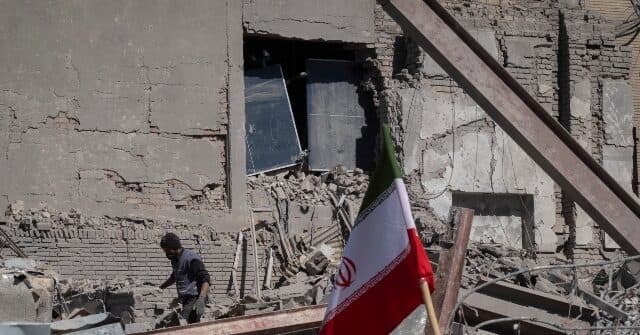
U.S. Destroys 8,000+ Iranian Targets in 'Largest Naval Elimination Since WWII'
Left says
- •The massive military campaign represents dangerous escalation that could destabilize the entire Middle East region and draw other nations into a broader conflict
- •Military action without clear diplomatic efforts or congressional authorization undermines international law and democratic oversight of war powers
- •Civilian casualties and humanitarian consequences are inevitable when conducting such extensive bombing campaigns across a sovereign nation
- •The operation risks creating a power vacuum that could lead to regional chaos and potentially strengthen other hostile actors in the area
Right says
- •Iran's decades-long pattern of threatening international shipping lanes and supporting terrorism justified decisive military action to protect global commerce
- •The operation successfully eliminated Iran's ability to project power beyond its borders and threaten allies like Israel and Gulf states
- •Swift, overwhelming force prevented a prolonged conflict by quickly degrading Iran's military capabilities before they could escalate further
- •International coalition support from over 20 nations demonstrates broad global backing for ensuring freedom of navigation in critical waterways
Common Take
High Consensus- U.S. forces have conducted extensive military operations against Iranian targets, striking over 8,000 targets and destroying more than 130 vessels
- The Strait of Hormuz represents a critical global shipping lane that affects international commerce and energy supplies
- Iran's military capabilities have been significantly degraded through the sustained campaign
- More than 20 international allies have expressed support for ensuring safe passage through the strait
The Arguments
Right argues
Iran's decades-long pattern of threatening the Strait of Hormuz and supporting terrorism across the region justified decisive military action, with over 20 nations expressing readiness to contribute to ensuring freedom of navigation through this critical waterway that handles a significant portion of global energy supplies.
Left counters
Military action of this scale without exhausting diplomatic options or securing proper congressional authorization violates international law and democratic oversight principles, potentially creating a dangerous precedent for unilateral warfare.
Left argues
The massive scale of this military campaign—8,000+ targets struck—represents a dangerous escalation that risks drawing other regional powers into a broader conflict and destabilizing the entire Middle East for years to come.
Right counters
Swift, overwhelming force actually prevents prolonged conflict by quickly degrading Iran's military capabilities before they could escalate further, as evidenced by the rapid elimination of their naval threat to international shipping.
Right argues
The operation has successfully achieved its strategic objectives by eliminating Iran's ability to project power beyond its borders, with their navy no longer sailing, tactical fighters grounded, and missile/drone capabilities severely degraded—protecting allies like Israel and Gulf states.
Left counters
Destroying a sovereign nation's military infrastructure creates a power vacuum that could lead to regional chaos and potentially strengthen other hostile actors, while civilian casualties from such extensive bombing campaigns are inevitable.
Left argues
Conducting such extensive military operations without clear congressional authorization undermines constitutional war powers and sets a dangerous precedent for executive branch overreach in matters of war and peace.
Right counters
The president's constitutional authority as commander-in-chief allows for decisive action to protect American interests and allies when faced with imminent threats to critical global infrastructure like shipping lanes.
Right argues
The broad international coalition support from over 20 nations demonstrates legitimate global consensus that Iran's actions constituted a threat to international peace and security, providing multilateral legitimacy for the military response.
Left counters
Coalition statements of 'readiness to contribute' fall far short of actual authorization for warfare, and many of these nations may have felt pressured to publicly support U.S. actions rather than genuinely endorsing such massive military escalation.
Challenge Questions
These questions target genuine internal contradictions — meant to provoke honest reflection.
Right asks Left
“If Iran's threats to international shipping and support for terrorism were genuinely urgent enough to justify immediate military action, why didn't the left-leaning critics propose any concrete alternative diplomatic or economic measures that could have realistically stopped Iran's aggressive behavior in the Strait of Hormuz?”
Left asks Right
“If this military campaign was truly about protecting international shipping and preventing broader conflict, why was there no apparent attempt to establish clear, limited objectives and exit strategies before launching what officials describe as the largest naval elimination since WWII—doesn't this scale suggest broader regime change goals rather than targeted defensive action?”
Outlier Report
Left Fringe
Progressive Squad members like Alexandria Ocasio-Cortez and anti-war activists like CodePink would likely call this an illegal war of aggression requiring immediate ceasefire. They represent roughly 15-20% of the left coalition.
Right Fringe
Hardline hawks like Tom Cotton or John Bolton might argue the operation should expand to regime change and occupation of Iranian territory. They represent about 10-15% of the right coalition.
Noise Assessment
Moderate noise level - most discourse reflects genuine policy differences rather than performative positioning, though some social media amplification occurs around casualty claims and escalation fears.
Sources (7)
<p>U.S. forces have struck more than 8,000 Iranian military targets and destroyed 130 vessels — marking the “largest elimination of a navy over a three-week period since World War II” — as Iran’s combat capability declines and U.S. forces remain “zeroed in” on dismantling its ability to threaten shipping through the Strait of Hormuz, according to U.S. Central Command commander Adm. Brad Cooper.</p> <p>The post <a href="https://www.breitbart.com/politics/2026/03/22/centcom-chief-8k-iranian-targets-hit-130-vessels-destroyed-largest-elimination-of-a-navy-since-wwii/" rel="nofollow">CENTCOM Chief: 8K+ Iranian Targets Hit, 130 Vessels Destroyed — ‘Largest Elimination of a Navy Since WWII’</a> appeared first on <a href="https://www.breitbart.com" rel="nofollow">Breitbart</a>.</p>
<p>More than 20 nations spanning from Asia to Europe to the Gulf have expressed a "readiness to contribute" to the effort of opening up the Strait of Hormuz amid threats to ships by the Islamist regime in Iran.</p> <p>The post <a href="https://www.breitbart.com/europe/2026/03/21/over-20-nations-announce-readiness-to-help-open-strait-of-hormuz/" rel="nofollow">Over 20 Nations Announce Readiness to Help Open Strait of Hormuz</a> appeared first on <a href="https://www.breitbart.com" rel="nofollow">Breitbart</a>.</p>
Hegseth says “we’re winning decisively.” Pentagon says U.S. military is achieving its goals in its war against the Iranian regime.
Whatever type of story you prefer, fable or horror or romance, there’s something for everyone in these classics. <img src="https://i0.wp.com/www.nationalreview.com/wp-content/uploads/2026/03/grim.jpg?fit=617%2C360&ssl=1" />
U.S. Central Command (CENTCOM) chief Adm. Brad Cooper said Saturday that the Pentagon’s operation in Iran has struck more than 8,000 targets since the start of the Middle East conflict. In his update, posted to social platform X, Cooper said the campaign has weakened Iran’s combat capabilities and crippled its naval forces. He added that…
<p>The U.S. military has sunk more than 120 Iranian naval vessels during Operation Epic Fury, Secretary of War Pete Hegseth said Tuesday, quipping, "We’ve decided to share the ocean with Iran. We've given them the bottom half."</p> <p>The post <a href="https://freebeacon.com/national-security/weve-decided-to-share-the-ocean-with-iran-weve-given-them-the-bottom-half-united-states-has-sunk-more-than-120-islamic-republic-ships-hegseth-says/">‘We’ve Decided To Share the Ocean With Iran. We’ve Given Them the Bottom Half’: United States Has Sunk More Than 120 Islamic Republic Ships, Hegseth Says</a> appeared first on <a href="https://freebeacon.com"></a>.</p>