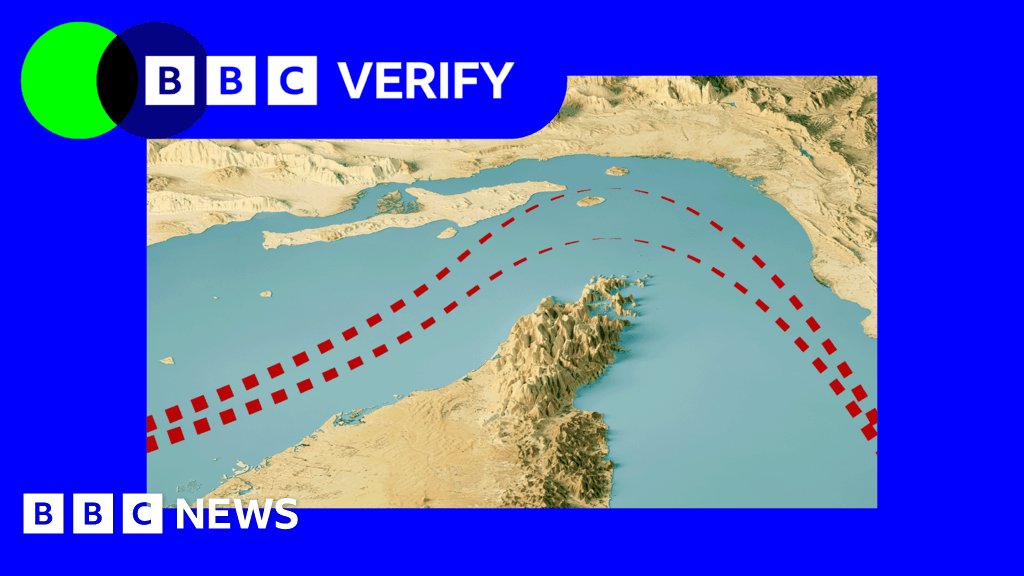
US Naval Blockade of Iran Begins Despite Ships Crossing Strait
Left says
- •The blockade escalates tensions and risks collapsing the fragile ceasefire, potentially triggering full-scale war that could devastate the entire Gulf region
- •Trump's aggressive military action undermines diplomatic efforts and abandons the negotiating table after just 21 hours of peace talks
- •The blockade will drive oil and gas prices even higher, hurting American consumers who are already struggling with inflation
- •This unilateral military action violates international maritime law and sets a dangerous precedent for future conflicts
Right says
- •The blockade applies strategic pressure on Iran's oil revenues while protecting freedom of navigation for all other nations through the strait
- •Trump is using Iran's own tactics against them, responding to their closure of the strait with targeted economic pressure rather than military strikes
- •The operation demonstrates American naval strength with over 10,000 personnel successfully preventing Iranian ships from breaking the blockade
- •Iran's refusal to negotiate in good faith and reopen the strait left Trump with no choice but to take decisive action to protect global commerce
Common Take
High Consensus- The Strait of Hormuz remains a critical chokepoint for global oil and gas supplies, with roughly 20% of the world's energy passing through it
- Peace talks in Pakistan over the weekend failed to produce an agreement between the US and Iran
- A two-week ceasefire between the US and Iran remains in effect despite the blockade
- Oil and gas prices have risen significantly since the conflict began, impacting consumers worldwide
The Arguments
Right argues
The blockade strategically applies Iran's own tactics against them, using economic pressure rather than military strikes to force Iran to reopen the Strait of Hormuz and restore global commerce through this critical waterway that handles 20% of the world's oil.
Left counters
This escalation abandons diplomatic solutions after only 21 hours of peace talks and risks collapsing the fragile ceasefire, potentially triggering a full-scale war that could devastate the entire Gulf region and draw in neighboring countries.
Left argues
The blockade violates international maritime law by preventing neutral vessels from accessing Iranian ports and sets a dangerous precedent that other nations could use to justify similar unilateral military actions in international waters.
Right counters
The US is explicitly protecting freedom of navigation for all non-Iranian traffic through the Strait while responding proportionally to Iran's own illegal closure of international shipping lanes, demonstrating restraint by targeting only Iranian vessels rather than all maritime traffic.
Left argues
The blockade will drive oil and gas prices even higher, hurting American consumers who are already struggling with inflation, while further disrupting global energy markets that have been destabilized since the conflict began.
Right counters
Iran's closure of the Strait already caused gas prices to spike over 30% and effectively shut down 20% of global oil transit; the blockade creates leverage to force Iran to fully reopen the waterway, which is the only path to restoring normal energy markets.
Right argues
The operation demonstrates decisive American naval strength with over 10,000 personnel successfully preventing Iranian ships from breaking the blockade, showing Iran that continued intransigence will only increase economic pressure on their oil revenues.
Left counters
This show of force undermines the ongoing ceasefire and diplomatic process, with Pakistan already proposing new talks in Islamabad that could achieve a peaceful resolution without the risks of military escalation.
Challenge Questions
These questions target genuine internal contradictions — meant to provoke honest reflection.
Right asks Left
“If diplomatic engagement is truly the preferred path, why did negotiators from both sides fail to reach any meaningful agreement after 21 hours of talks, and what specific concessions should the US make to Iran that wouldn't reward their illegal closure of international shipping lanes?”
Left asks Right
“If the goal is to reopen the Strait of Hormuz for all nations, how does allowing Iran to continue profiting from oil exports while maintaining their closure of the waterway create any incentive for them to change their behavior or return to negotiations?”
Outlier Report
Left Fringe
Progressive anti-war activists like CodePink's Medea Benjamin and some Squad members like Alexandria Ocasio-Cortez who would call this an act of war and demand immediate withdrawal. They represent roughly 15-20% of the left coalition.
Right Fringe
Hardline hawks like Senator Tom Cotton or John Bolton who would argue the blockade doesn't go far enough and advocate for direct military strikes on Iranian nuclear facilities. They represent about 25-30% of the right coalition.
Noise Assessment
Moderate noise level - most discourse reflects genuine policy disagreement rather than performative positioning, though some social media amplification occurs around gas price concerns and war escalation fears.
Sources (12)
Four vessels with links to Iran have crossed the Strait of Hormuz despite the start of a US naval blockade, but two of those vessels appear to have reversed course.
Donald Trump says that the US is blockading the Strait of Hormuz. What does this mean in practice?
The U.S. military continued its blockade of Iranian ports in the Strait of Hormuz as Pakistan pushes for more talks between the U.S. and Iran. CBS News' senior foreign correspondent Elizabeth Palmer and contributor Elliot Ackerman have more.
The United States military’s partial blockade of the Strait of Hormuz imposed by President Donald Trump is now in effect, preventing Iran from exporting oil. Pakistan has proposed hosting a second round of talks in Islamabad before the two-week ceasefire expires. NBC’s Richard Engel reports for TODAY.
Traffic through the Strait of Hormuz has been at a near-standstill for weeks amid the Iran war, sending prices of oil and other key goods soaring.
The U.S. military said Monday it has begun a blockade of ships entering and leaving Iranian ports, following President Donald Trump’s announcement after weekend talks in Islamabad collapsed without a deal. Iran warned it would retaliate against ports in neighboring Gulf states if its own shipping routes are targeted, escalating tensions after the breakdown in...
The U.S. began a blockade of Iranian ports on Monday, less than two days after a first effort at peace talks between the Americans and Iran failed in Pakistan. White House correspondent Liz Landers reports.
The U.S. military on Tuesday insisted “no ships made it past” the American blockade in the Strait of Hormuz in the first 24 hours of the effort, even as a U.S.-sanctioned Chinese tanker traveled through the shipping lane to the Gulf of Oman. U.S. Central Command (Centcom), the military arm that oversees American forces in…
President Trump’s new blockade in the Strait of Hormuz, during which the U.S. military will block Iranian ports and stop some ships looking to enter the key waterway, took effect Monday as talks with Iran faltered over the weekend. The blockade began at 10 a.m. after 21 hours of peace talks over the weekend in Pakistan ended…
<p>Maritime restrictions have been put in place by the U.S. along the entire Iranian coastline, not just the Strait of Hormuz. </p> <p>The post <a href="https://www.twz.com/news-features/naval-blockade-of-iran-now-in-full-effect">Naval Blockade Of Iran Now In Full Effect (Updated)</a> appeared first on <a href="https://www.twz.com">The War Zone</a>.</p>
This story appeared in The Logoff, a daily newsletter that helps you stay informed about the Trump administration without letting political news take over your life. Subscribe here. Welcome to The Logoff: After the US and Iran failed to reach a longer-term peace agreement over the weekend, President Donald Trump is trying something new: blockading the Strait […]