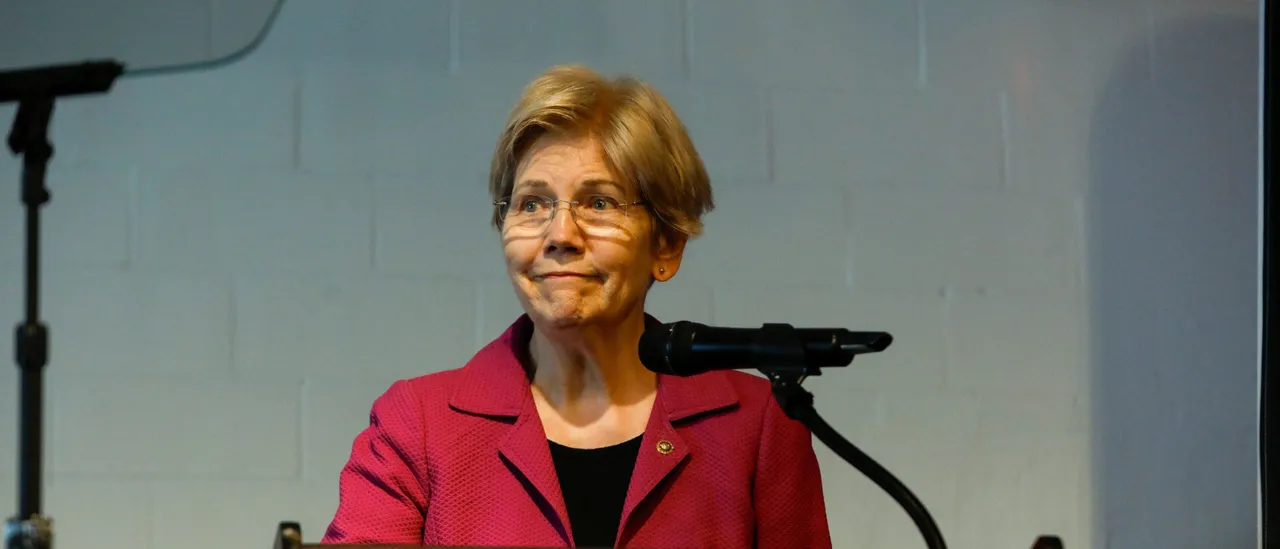
Warren Blamed for Spirit Airlines Collapse After Blocking JetBlue Merger
Intra-Party Split Detected
Former Biden official Neera Tanden questioned whether blocking the JetBlue-Spirit merger was the right decision
Left says
- •A federal judge appointed by Ronald Reagan ruled the JetBlue-Spirit merger illegal under antitrust law, not political interference
- •The merger would have eliminated Spirit's ultra-low-cost model and reduced competition, leading to higher fares for working-class travelers
- •Spirit's financial troubles stem from broader industry challenges including fuel price spikes and post-pandemic recovery issues
- •Airline consolidation has already reduced consumer choice, with four major carriers controlling 75% of the market
Right says
- •Warren and Biden administration officials actively lobbied against the merger that could have provided Spirit with necessary financial resources
- •The blocked merger eliminated a potential lifeline for Spirit, directly contributing to the loss of 14,000+ jobs
- •Government anti-merger policies prevented two smaller airlines from combining resources to better compete against major carriers
- •Warren celebrated blocking the deal as a 'Biden win for flyers' but now faces the consequences of reduced airline competition
Common Take
High Consensus- Spirit Airlines ceased operations, resulting in thousands of job losses and stranded passengers
- The JetBlue-Spirit merger was blocked by federal regulators and ultimately terminated by the airlines
- Spirit primarily served lower-income customers with ultra-low-cost flights
- The airline industry faces significant consolidation challenges with major carriers dominating the market
The Arguments
Left argues
A federal judge appointed by Ronald Reagan ruled the merger illegal under antitrust law based on legal merits, not political pressure, finding it would eliminate Spirit's ultra-low-cost model and reduce competition for working-class travelers.
Right counters
Warren and Biden officials actively lobbied against the merger for months before the court ruling, with Warren writing letters to DOT and celebrating the blocked deal as a 'Biden win,' demonstrating clear political interference in what should have been a purely legal process.
Right argues
The blocked merger eliminated Spirit's potential financial lifeline, directly contributing to 14,000+ job losses and reducing airline competition by preventing two smaller carriers from combining resources to better compete against the Big Four airlines.
Left counters
Spirit's collapse stems from broader industry challenges including fuel price spikes and post-pandemic recovery issues that affected many airlines, not the blocked merger, and allowing consolidation would have worsened the existing problem of four major carriers controlling 75% of the market.
Left argues
The merger would have eliminated Spirit's unique ultra-low-cost business model that served working-class travelers, leading to higher fares as JetBlue's premium service model replaced Spirit's budget approach.
Right counters
Government anti-merger policies prevented market forces from allowing two struggling smaller airlines to pool resources and achieve economies of scale necessary to survive and compete effectively against dominant carriers.
Right argues
Warren celebrated blocking the deal as protecting consumers but now faces the ironic consequence of reduced airline competition, with Spirit's closure leaving fewer low-cost options and potentially higher prices for budget travelers.
Left counters
Allowing further airline consolidation would have accelerated the trend toward oligopoly control, and one airline's business failure doesn't invalidate the principle that mergers reducing competition ultimately harm consumers through higher prices.
Challenge Questions
These questions target genuine internal contradictions — meant to provoke honest reflection.
Right asks Left
“If protecting competition was the goal, how do you reconcile celebrating the blocked merger with the outcome of reduced competition through Spirit's closure, and doesn't this suggest that sometimes allowing smaller players to merge is necessary to maintain competitive pressure against industry giants?”
Left asks Right
“If the merger was truly necessary for Spirit's survival as you claim, why didn't JetBlue or Spirit present compelling financial evidence to the court that convinced a Reagan-appointed judge, and doesn't this suggest the merger may have been more about corporate consolidation than genuine competitive necessity?”
Outlier Report
Left Fringe
Progressive activists like those in Warren's circle who view any corporate merger as inherently anti-consumer, representing about 15-20% of the left. They maintain blocking the merger was correct regardless of consequences.
Right Fringe
Free-market absolutists like some libertarian commentators who oppose any government antitrust enforcement whatsoever, representing about 10-15% of the right. They view all merger blocking as government overreach.
Noise Assessment
Moderate noise level. While partisan outlets are amplifying blame narratives, the core issue of job losses versus antitrust concerns reflects genuine public policy debate rather than manufactured controversy.
Sources (7)
'This is a Biden win for flyers!'
Warren said in 2024 that the Biden Administration was "right to stand up for consumers and fight against runaway airline consolidation," adding that blocking the merger was a "Biden win for flyers"
"Maybe the merger would have made both Jet Blue and Spirit better? Jet Blue is a perfectly comfortable airline," Neera Tanden wrote on X
Sen. Elizabeth Warren, D-Mass., is under fire after Spirit Airlines abruptly shut down, with critics citing her claim that blocking a merger that could have saved the troubled carrier was "a Biden win for flyers."