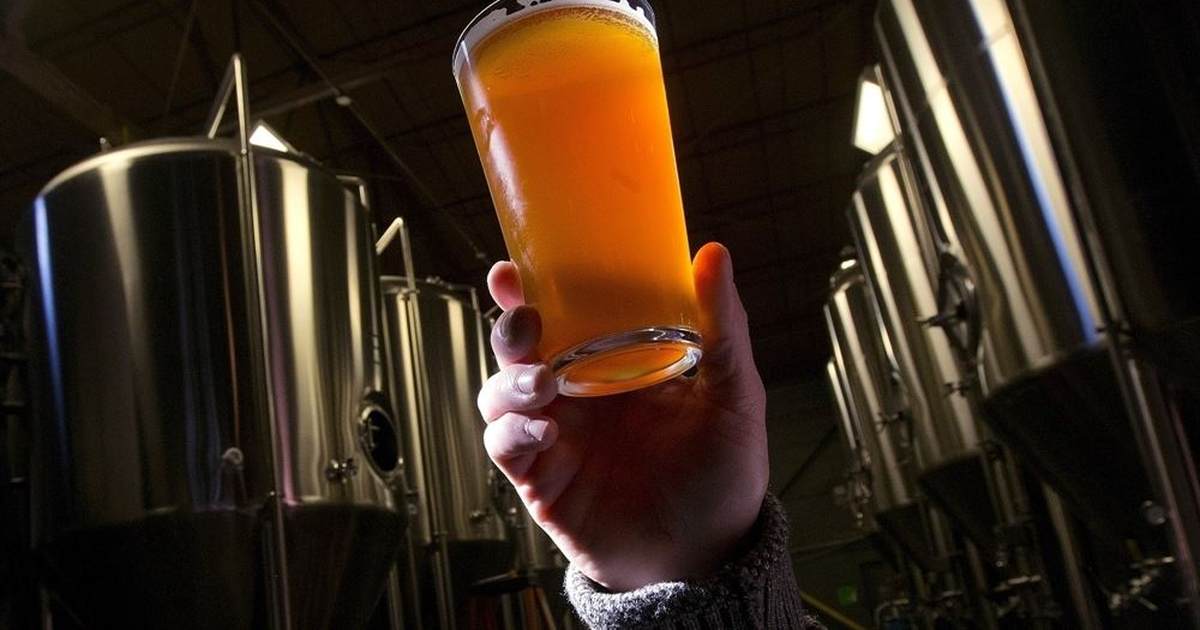
Wisconsin Brewery Celebrates Failed Trump Assassination, Promises Free Beer When He Dies
Left says
- •The brewery owner's inflammatory rhetoric, while deeply inappropriate, represents frustration with Trump's policies and legal troubles rather than genuine incitement to violence
- •This incident highlights how political polarization has led to extreme expressions that damage democratic discourse and civil society
- •The focus on this single business owner's comments distracts from more substantive policy discussions and legitimate political opposition
Right says
- •A business owner publicly celebrated an assassination attempt against the President and promised free beer if Trump dies, demonstrating dangerous extremism
- •This represents a broader pattern of violent rhetoric from the left that normalizes and encourages political violence against conservatives
- •The brewery owner's history of political activism and merchandise sales shows this is calculated promotion of assassination rather than isolated poor judgment
- •Social media platforms and Democratic politicians who have worked with this individual must be held accountable for enabling such dangerous rhetoric
Common Take
High Consensus- Celebrating or encouraging assassination attempts against any political figure is morally wrong and dangerous to democracy
- Political disagreements should be resolved through democratic processes, not violence or threats of violence
- Business owners have free speech rights but also face consequences for their public statements
- Political rhetoric has become increasingly extreme and divisive across the political spectrum
The Arguments
Right argues
A business owner publicly celebrated an assassination attempt and promised free beer when the President dies, representing dangerous extremism that normalizes political violence. This calculated promotion through merchandise sales and social media demonstrates premeditated incitement rather than spontaneous poor judgment.
Left counters
While the rhetoric is deeply inappropriate and harmful to democratic discourse, this represents one individual's extreme expression of political frustration rather than systematic incitement to violence. The focus on inflammatory comments from a single business owner distracts from substantive policy debates and legitimate political opposition.
Left argues
This incident reflects how extreme political polarization has led to destructive rhetoric that damages civil society, but treating one brewery owner's comments as representative of broader leftist violence ignores the isolated nature of this behavior. Democratic institutions and norms are better served by condemning such rhetoric while maintaining focus on policy differences.
Right counters
This represents a documented pattern of violent rhetoric from the left, with the brewery owner having a history of threatening political figures and celebrating violence. When Democratic politicians have worked with this individual and social media platforms refuse to remove such content, it demonstrates institutional tolerance for anti-conservative violence.
Right argues
The brewery owner's history of political activism, merchandise sales promoting assassination, and use of business platforms to spread violent messaging shows this is systematic promotion of political violence rather than isolated poor judgment. Social media platforms and Democratic politicians who have associated with this individual must be held accountable for enabling such dangerous rhetoric.
Left counters
Holding entire political movements or platforms responsible for one individual's extreme statements creates a dangerous precedent that could be used to silence legitimate political opposition. The appropriate response is condemning the specific rhetoric while protecting democratic discourse and the right to political dissent.
Left argues
While this brewery owner's comments are indefensible and harmful to democratic norms, characterizing this as representative of broader leftist violence ignores the reality that political extremism exists across the spectrum. The focus should be on condemning all forms of violent political rhetoric while preserving space for legitimate policy criticism.
Right counters
The brewery owner ran as a Democratic candidate and operates a political SuperPAC, making this institutional rather than individual extremism. When someone with official Democratic ties publicly celebrates assassination attempts and sells merchandise promoting political violence, it demonstrates how violent rhetoric has been normalized within parts of the left.
Challenge Questions
These questions target genuine internal contradictions — meant to provoke honest reflection.
Right asks Left
“If this brewery owner's violent rhetoric is truly just an isolated incident of poor judgment rather than systematic incitement, why do you oppose holding social media platforms and Democratic politicians accountable for their associations with someone who has repeatedly threatened political violence and celebrated assassination attempts?”
Left asks Right
“If you believe this brewery owner represents a broader pattern of leftist violence, how do you reconcile that claim with treating this as an exceptional case worthy of national attention, and doesn't your focus on one individual's extreme statements risk conflating legitimate political opposition with violent extremism?”
Outlier Report
Left Fringe
Hard-left activists like Kirk Bangstad who explicitly celebrate political violence represent roughly 5-8% of the Democratic base. Some progressive commentators on platforms like Twitter may defend this as 'understandable anger' but avoid explicitly endorsing the sentiment.
Right Fringe
Some far-right commentators like those calling for immediate business shutdowns or claiming this represents mainstream Democratic views represent about 10-12% of the Republican base. Most conservatives condemn the rhetoric without making sweeping generalizations about all Democrats.
Noise Assessment
Moderate amplification - the story generates genuine outrage across party lines, but partisan media outlets are using it to score broader political points about their opponents rather than focusing on the specific incident.