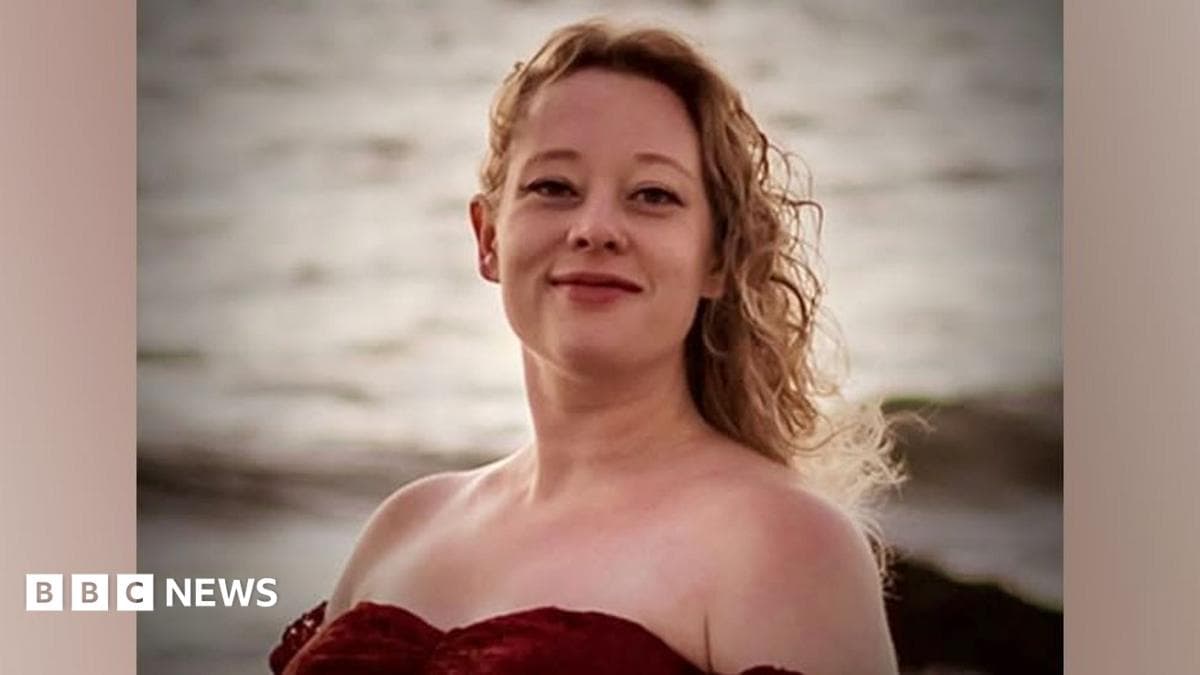
Family Sues Trump Officials Over ICE Shooting of US Citizen
Left says
- •The operation that led to Renee Good's death created a climate of state-sponsored violence against residents in their own neighborhoods, with agents deployed in ways that escalated fear and confrontation rather than public safety.
- •Video evidence shows Good turning her car away from the officer before he fired multiple times, undermining claims that lethal force was necessary to protect agents' lives.
- •Senior officials, including Stephen Miller, Kristi Noem, and Tom Homan, bear responsibility for authorizing and overseeing an aggressive enforcement campaign that disproportionately targeted Somali and Hispanic communities and silenced those who tried to document it.
- •Labeling Good a 'domestic terrorist' after her death reflects an attempt to justify use of deadly force against a bystander and mother who was simply observing and alerting neighbors to agents' presence.
Right says
- •Operation Metro Surge was a lawful, large-scale federal effort to enforce immigration law, and agents faced real safety threats from organized groups actively working to disrupt enforcement actions.
- •Good's vehicle blocked a roadway and she disregarded repeated orders from officers to exit the car, creating a tense and unpredictable situation for agents on the ground.
- •The lawsuits target senior administration officials who had no direct role in the shooting itself, raising questions about whether the litigation is more about assigning broad political blame than pursuing the facts of a single incident.
- •Due process should determine Officer Ross's culpability through established legal channels rather than through public pressure or media narratives before investigations are complete.
Common Take
High Consensus- Renee Good, a 37-year-old mother of three, was fatally shot by ICE officer Jonathan Ross on January 7 during an immigration enforcement operation in Minneapolis.
- Two federal lawsuits have been filed on behalf of Good's partner Becca Good and her brother Brent Ganger, one against the U.S. government and one against individual officials including Ross.
- The shooting occurred amid broader unrest and protests against immigration raids across Minneapolis, and investigations by Hennepin County prosecutors into the shooting are ongoing.
- Video footage of the incident exists and has been widely viewed, shaping public understanding and debate about what occurred in the moments before the shooting.
The Arguments
Left argues
Bystander video shows Renee Good turning her steering wheel away from the officer and beginning to drive off before Ross fired multiple times, which undercuts the claim that she posed an imminent lethal threat requiring deadly force.
Right counters
Officers on the ground had to make split-second judgments amid a chaotic, non-compliant scene where Good had already disregarded repeated orders to exit her vehicle, and hindsight video review doesn't capture the real-time uncertainty agents faced.
Right argues
Operation Metro Surge was a lawful federal immigration enforcement action, and agents reasonably faced organized resistance from groups like ICE Watch that actively sought to disrupt their operations, creating legitimate safety concerns.
Left counters
Monitoring and filming law enforcement in public is a protected activity, not an attack, and treating neighborhood observers as threats to be met with deadly force reflects an escalation of hostility rather than a legitimate safety response.
Right argues
Naming senior officials like Stephen Miller, Kristi Noem, and Tom Homan—who had no direct role in the shooting—suggests the lawsuit may be more focused on assigning broad political blame than on establishing the specific facts of what happened on the street that day.
Left counters
Civil rights conspiracy law explicitly allows liability for officials who authorize and oversee policies that foreseeably lead to constitutional violations, and the family's lawyers argue these officials created the operational conditions and command climate that made such a shooting likely.
Left argues
The administration's post-shooting characterization of Good as a 'domestic terrorist' appears to be a retroactive justification for lethal force against a mother who was simply honking her horn and alerting neighbors, rather than an accurate description of any real threat she posed.
Right counters
Labeling aside, the underlying facts—a vehicle blocking a roadway during an active enforcement operation with a driver who ignored direct commands—are the legitimate basis for assessing officer conduct, not the rhetoric used afterward.
Right argues
Due process requires that Officer Ross's culpability be determined by the ongoing county and federal investigations and courts, not pre-judged by public pressure, protests, or media narratives before all evidence is reviewed.
Left counters
Civil lawsuits run on a separate legal track from criminal investigations and exist precisely so victims' families aren't forced to wait indefinitely for accountability, especially when government withheld evidence for months before releasing it to local prosecutors.
Challenge Questions
These questions target genuine internal contradictions — meant to provoke honest reflection.
Right asks Left
“If video evidence is sufficient to establish that lethal force was unjustified in this case, why should senior officials who were not present and had no direct knowledge of the specific encounter also be held legally liable for the split-second decision made by Officer Ross?”
Left asks Right
“If agents reasonably perceived bystanders filming and honking horns as threats warranting lethal force, what specific policy or training standard distinguishes lawful civilian observation of government agents from the 'organized disruption' the operation was supposedly responding to?”
Outlier Report
Left Fringe
Groups like ICE Watch and some activists framing all ICE agents as inherently engaged in 'state violence' represent a more extreme position, as does Mother Jones' framing emphasizing 'violent occupation'; this represents roughly 15-20% of the left that favors abolishing or drastically defunding ICE outright.
Right Fringe
Commentators like Stephen Miller and some Daily Wire voices who labeled Good a 'domestic terrorist' and fully absolve Ross represent a fringe that forecloses any critical scrutiny of the shooting; this represents roughly 15-20% of the right dismissing any wrongdoing without investigation.
Noise Assessment
High noise ratio—this story is being amplified heavily by partisan media and advocacy groups on both sides, with the viral video driving much of the public engagement, while actual nuanced public opinion (supporting investigation but withholding final judgment) is less represented in loud online discourse.
Sources (10)
Lawyers for Good's family say US officials created "an unprecedented environment for state sponsored violence" in Minneapolis.
The family of Renee Good has filed civil lawsuits against the federal government, federal agents and officials after Good was killed by an Immigration and Customs Enforcement officer in January. CBS News' Jonah Kaplan reports.
Civil lawsuits are now filed against the federal government on behalf of the family of Renee Good, the 37-year-old woman fatally shot in January by an Immigration and Customs Enforcement officer in south Minneapolis.
The family of anti-ICE activist Renee Good, who was fatally shot by a federal immigration agent in Minneapolis, filed two separate lawsuits against current and former Trump administration officials, claiming she was wrongfully killed and that excessive force was used in the incident. The January shooting took place during a historic immigration enforcement operation in ...
One lawsuit filed against the U.S. government alleges wrongful death, and the other lawsuit alleges a conspiracy to interfere with civil rights.
Renée Good’s family filed two federal lawsuits on Thursday, nine months after she was fatally shot by ICE agent Jonathan Ross amid the Trump administration’s violent occupation and mass deportations campaign in Minneapolis. One lawsuit accuses the United States of being liable for the actions of federal agents, alleging wrongful death and excessive force. The […]
The family of Renee Good has filed two federal civil lawsuits alleging wrongful death and excessive force, their attorney announced, nine months after an immigration officer fatally shot her in Minneapolis. NBC News' Shaquille Brewster explains the details of both civil suits.
The partner of Renee Good, a Minneapolis woman who was fatally shot by an immigration officer in January, spoke publicly about her death for the first time Thursday as the family announced that they have filed two federal civil lawsuits.
Good was fatally shot Jan. 7 as protests against immigration raids flared across Minneapolis.
What the “supremacy clause” does and does not say